Symptoms & diagnostics
A fault code is not a parts order
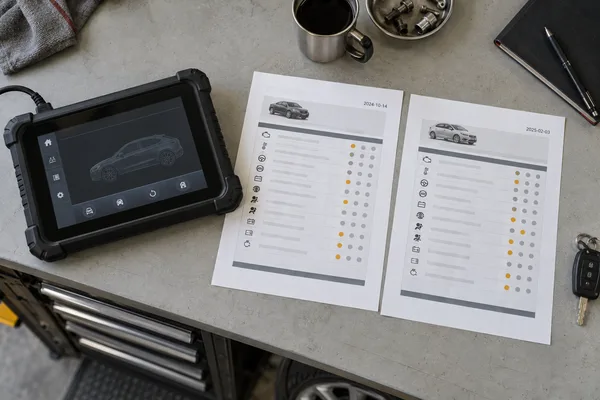
A scanner gives the investigation a starting point. The missing step is finding out why the monitored system produced that result.
Read the guideSearch by a symptom, a part or a question. Find a useful starting point.
189 guides in view
No guides match. Try a shorter phrase or choose another category.
A scanner gives the investigation a starting point. The missing step is finding out why the monitored system produced that result.
Read the guideBefore leaving the keys, make sure you and the workshop mean the same thing by a diagnostic check.
Read the guideThe useful part of a scan is the evidence it preserves, not the moment the warning disappears.
Read the guideThe status beside a fault code helps explain how the system recorded it. It does not provide a universal severity scale.
Read the guideSome fault records preserve a small snapshot of operating conditions. Read it as a clue with boundaries.
Read the guideAn incomplete monitor says a check has not finished. It is different from a recorded failure.
Read the guideA connector that fits does not guarantee access to every control unit or every useful function.
Read the guideA connection failure belongs to the diagnostic setup first. It is not proof that the car needs a new control unit.
Read the guideA plausible-looking number can still be misread when its units or definition are missing.
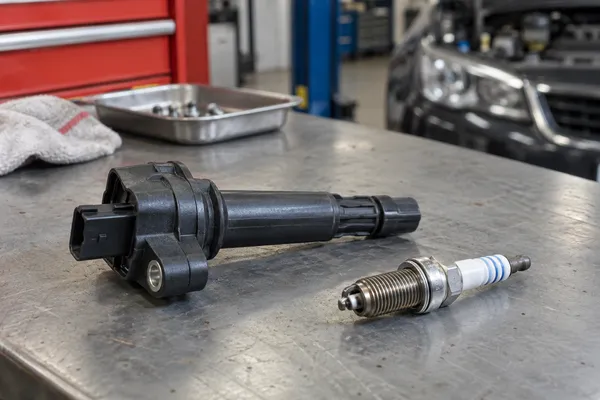
Read the guideThis code describes detected misfire activity. It does not tell an owner which part to buy.
Read the guideA mixture-related code reports a control-system result. The cause still has to be established.
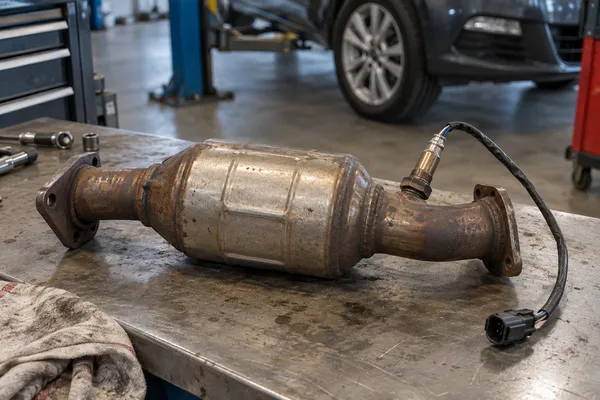
Read the guideAn efficiency code deserves a diagnosis of the conditions around it, not an immediate parts order.
Read the guideA few consistent observations can help more than a long list of possible causes.
Read the guideA recording can help describe a sound, provided the way you capture it stays safe.
Read the guideWhen the uneven running appears can be as useful as how it feels.
Read the guideA brief pause in response needs clear context, not repeated hard acceleration.
Read the guideAn unexpected stall is different from a normal automatic stop. Establish which one occurred before describing the fault.
Read the guideA demanding stretch of road can reveal a problem, but it is not a place to keep testing it.
Read the guideCheck the comparison before deciding that the engine has developed a fault.
Read the guideColour is a clue, but duration, temperature and the vehicle’s behaviour matter too.
Read the guideDo not turn a suspected leak into a home diagnostic experiment.
Read the guideDescribe the rhythm and conditions without reaching toward a running engine.
Read the guideThe timing of a whistle helps distinguish a usual sound from a change worth investigating.
Read the guideA delay, a harsh shift and slipping are different complaints.
Read the guideA reluctant lever needs a precise description. Forcing it is not a diagnostic step.
Read the guideA mismatch between engine speed and road speed needs attention without a home stress test.
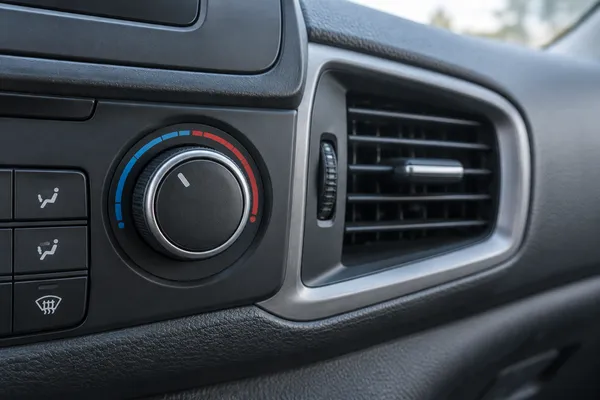
Read the guideStrong airflow and useful cooling are separate things. Start by describing which one is missing.
Read the guideA noisy fan with little air at the vents asks a different question from strong air that is not cool.
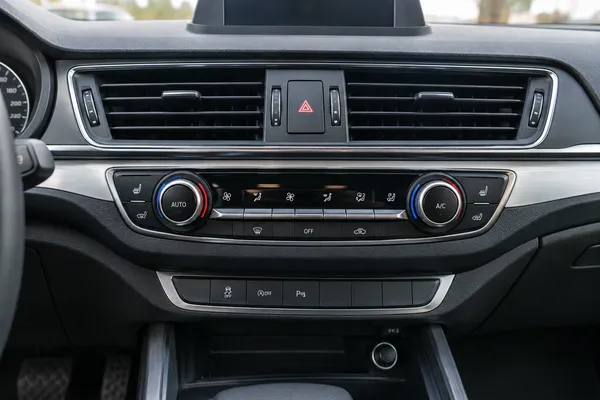
Read the guideBefore suspecting a failed part, establish whether the climate system is being asked to produce two different temperatures.
Read the guideSeparate normal warm-up time from a new failure to produce heat, and keep cooling-system safety in view.
Read the guideRepeated misting is a visibility problem first, then a question about moisture and ventilation.
Read the guideThe location and recent use help describe a puddle, but appearance alone cannot identify every fluid.
Read the guideIdentify when the smell appears before choosing a cleaning treatment.
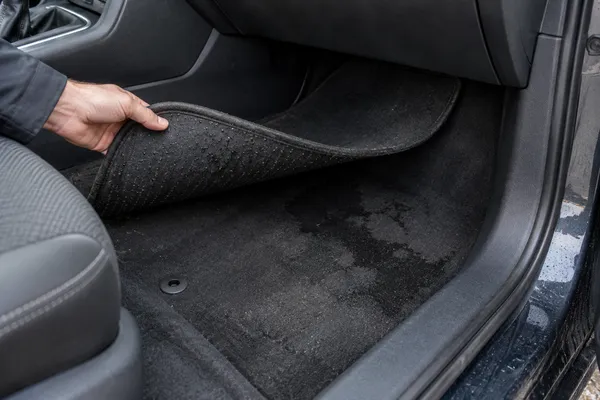
Read the guideDrying the visible carpet is useful housekeeping. Finding how the water arrived is the repair question.
Read the guideAn engine that has stopped can still have active cooling equipment. Keep hands away and check the context.
Read the guideWhere you feel a vibration and whether the engine itself runs evenly are separate clues.
Read the guideA short, factual handover helps the technician investigate the complaint you actually have.
Read the guideTwo totals are only comparable when they describe the same work and the same assumptions.
Read the guideYou do not need to perform the test yourself to understand why a repair is being recommended.
Read the guideA practical contact arrangement prevents an ordinary repair update from becoming a misunderstanding.
Read the guideA clear specification is more useful than a reassuring adjective.
Read the guideFinding an intermittent fault can take longer than replacing the component eventually identified.
Read the guideUse the handover to understand the result while the work is still fresh in everyone’s mind.
Read the guideA clear comparison helps the workshop distinguish recurrence from a new problem that feels similar.
Read the guideIt describes the outcome of a particular investigation, not necessarily the whole history of the car.
Read the guideA fresh assessment works best when the next workshop knows what has already happened.
Read the guideA tidy booklet is useful, but dates, mileage and the work described tell the fuller story.
Read the guideA genuinely cold viewing can reveal behaviour that a warm arrival hides, without becoming an improvised mechanical test.
Read the guideGood light and a calm sequence make small details easier to notice without turning every mark into a diagnosis.
Read the guideSeats, pedals and controls offer clues about use, but they are not a reliable mileage calculator.
Read the guideBefore interpreting the history, establish that the records describe the vehicle you are viewing.
Read the guideA test drive should answer everyday ownership questions without becoming a performance demonstration.
Read the guideA comfortable viewing temperature can hide a system you have not really tested.
Read the guideA systematic parked check can reveal missing functions before they become your routine problem.
Read the guideFreshly cleaned surfaces can look dry while less visible materials still hold moisture.
Read the guideA visible difference is a question to investigate, not a complete accident history.
Read the guideThe value lies in a defined assessment by someone examining the car on your behalf, with clear limits.
Read the guideA database result answers questions about recorded information. It cannot examine the car in front of you.
Read the guideAn undocumented claim may be true, but it should remain distinct from verified work in your decision.
Read the guideSmall missing items are easier to clarify before the handover than after it.
Read the guideChanges to a car can affect more than appearance. Establish what was altered and what evidence supports the work.
Read the guideAssess the ordinary car and the hybrid system as connected but distinct parts of the purchase.
Read the guideA battery percentage is useful only when you know what was measured, how and when.
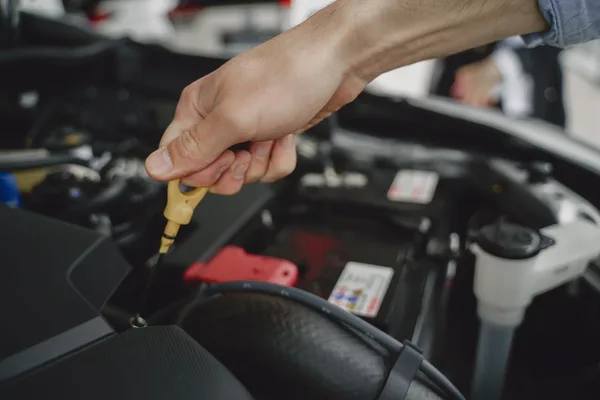
Read the guideA smeared dipstick can make a simple check surprisingly confusing. Consistent conditions matter more than a quick glance.
Read the guideA low-mileage car can wear its tyres out by age before it wears the grooves away. The sidewall tells part of that story.
Read the guideTwo bottles can show the same viscosity and still meet different engine requirements. Read the smaller print before choosing.
Read the guideMore oil is not extra protection. A confirmed reading above the upper mark needs an explanation before another journey.
Read the guide“It uses some oil” is hard to investigate. A few consistent notes can turn that impression into useful evidence.
Read the guideA percentage on the dashboard can look like a laboratory result. Usually it is a maintenance estimate with a particular job to do.
Read the guideA quiet year on the odometer does not make every service item disappear. Start with whichever limit your schedule reaches first.
Read the guideA car doing five kilometres at a time can need more attention than its annual mileage suggests.
Read the guideThe safest coolant check is usually a look through the reservoir while the engine is cold, not a twist of a hot cap.
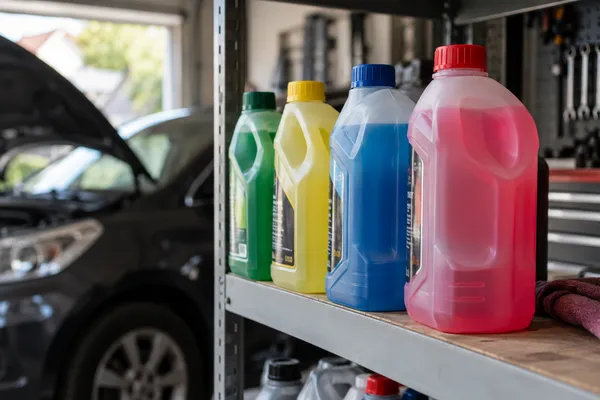
Read the guidePink, blue and green are easy to remember. Unfortunately, colour is not a dependable shortcut for choosing coolant.
Read the guideA full washer tank is little help if its contents freeze on the first cold morning. Read the dilution instructions before topping up.
Read the guideA streak across the driver’s view does not automatically mean the whole wiper assembly has failed. Start with the glass and the rubber.
Read the guideSome wiper arms cannot be lifted safely from their normal parked position. The service position creates the clearance they need.
Read the guideWeak washer jets can leave road spray smeared across the glass. A few observations help separate an empty tank from a repair job.
Read the guideIf oncoming lights reveal a grey film even after the wipers sweep, the dirt may be on your side of the glass.
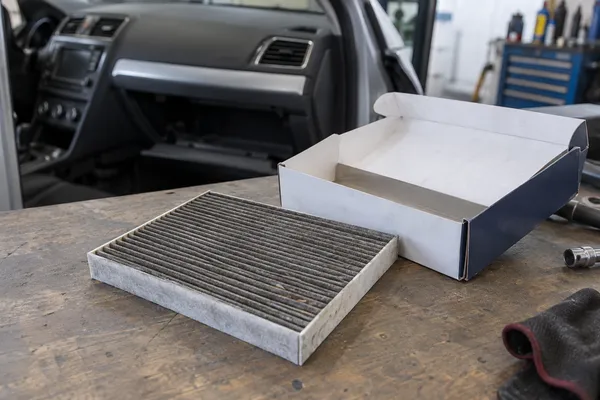
Read the guideThe fan can sound busy while surprisingly little air reaches you. The cabin filter is one possible part of that story.
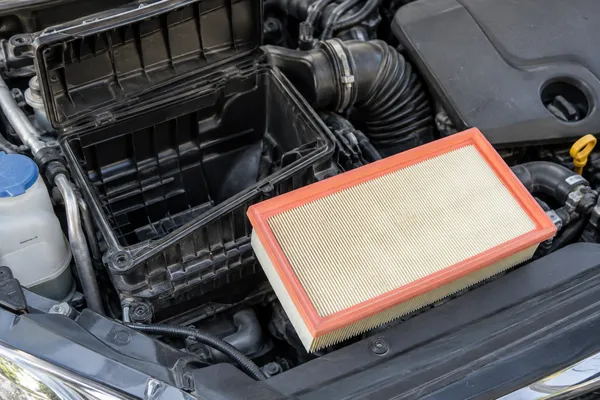
Read the guideAn engine air filter can look dusty without telling you its entire service history. Use the schedule and the correct inspection method.
Read the guideAn oil check is not finished until the bonnet is securely closed. Make that last step deliberate rather than automatic.
Read the guideLeaves collected below the windscreen are easy to ignore until they turn into a wet, compacted layer. Remove the accessible ones before that happens.
Read the guideParking a car for weeks changes its needs, even when the mileage barely moves. Prepare for the pause and for the return.
Read the guideAir conditioning is useful beyond the hottest afternoons. Understanding its normal controls helps you notice when something changes.
Read the guideTwo air-conditioning quotes may describe quite different work. Ask what is being tested before comparing the totals.
Read the guide“The belt was done” is a starting point for a question, not a complete maintenance record. Find out which belt and when.
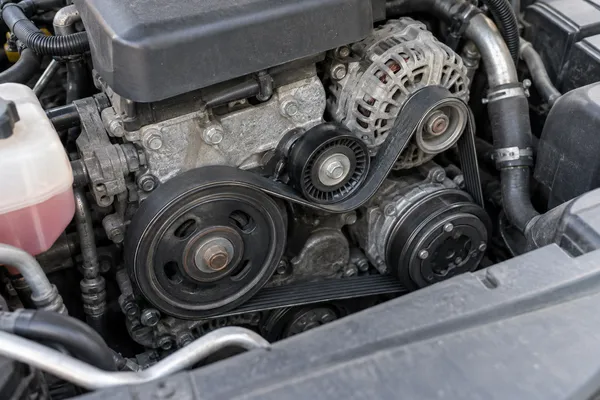
Read the guideThe belt visible at the side of an engine usually serves accessories. Recognise it without touching or testing it while the engine runs.
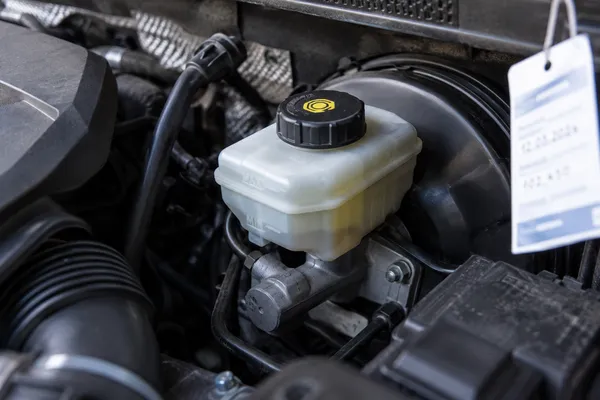
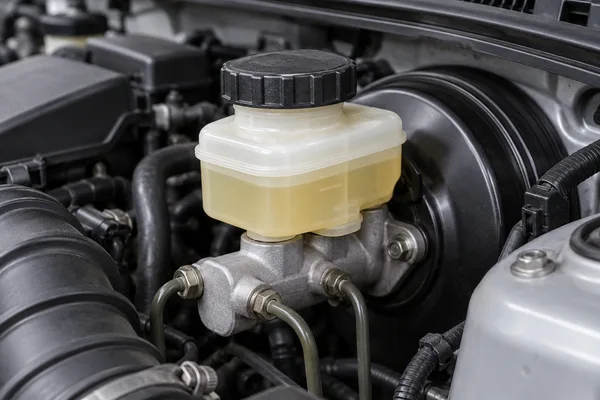
Read the guideBrake fluid can be due for replacement even when the reservoir level looks normal. Its service date answers a different question from its level.
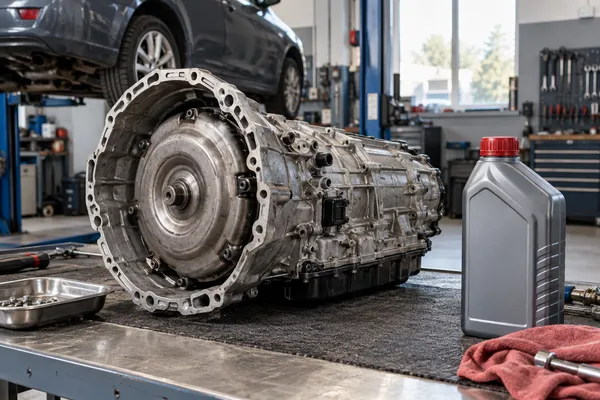
Read the guideThe word automatic covers several different transmission designs. That is why a generic fluid-change rule is a poor starting point.
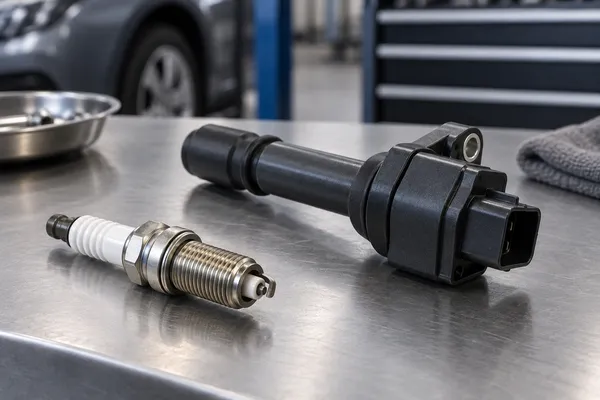
Read the guideSpark plugs have an engine-specific job. Their replacement interval should come from the car’s schedule, not a universal mileage rule.
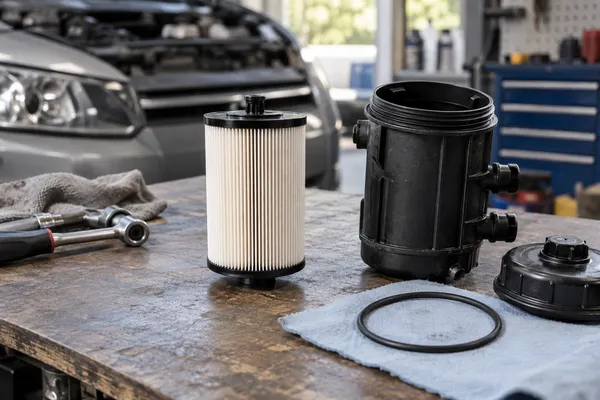
Read the guideA diesel fuel filter protects equipment that depends on clean fuel. Its history deserves more than a vague note saying filters done.
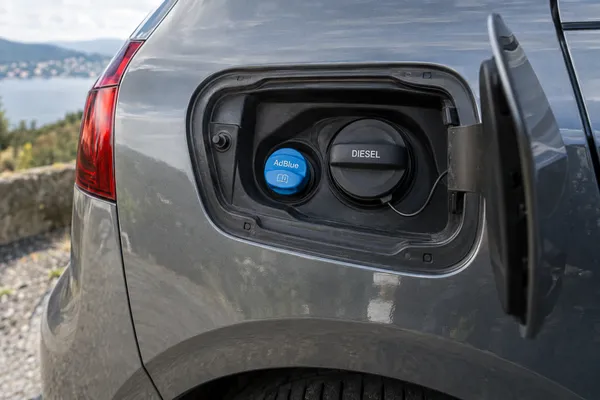
Read the guideAdBlue belongs in its own tank, never in the diesel filler. Identify the system before opening a container.
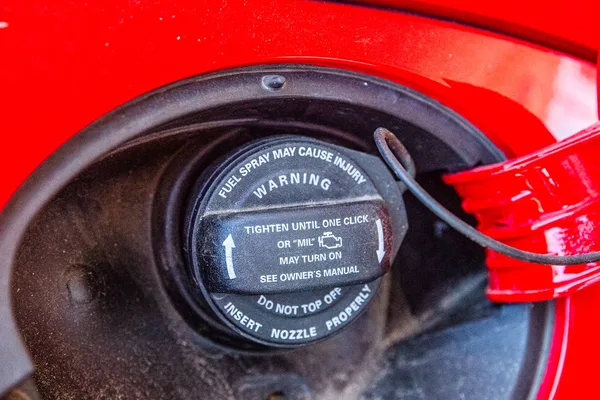
Read the guideThe fuel flap collects dust, water and hurried handling. A gentle clean and a proper closure are more useful than improvised lubrication.
Read the guideA dashboard indicator cannot show you every failed exterior lamp. A short parked check makes the actual light output visible.
Read the guideA cloudy outer lens can reduce useful light even when the bulb still works. Cleaning and restoration are different jobs.
Read the guideA frozen door is often a sealing-surface problem, not a reason to pull harder on the handle. Prepare the rubber before cold weather.
Read the guideWinter salt can remain on a car after the road has dried. A suitable wash reaches the overlooked areas without attacking vulnerable parts.
Read the guideDried bird droppings invite an unhelpful reflex: scrub harder. Soften the deposit first and protect the paint underneath.
Read the guideA useful maintenance history answers a few practical questions quickly. It does not need a complicated app or a folder full of unexplained receipts.
Read the guideChecking the car the day before a long journey leaves time to solve a small problem. Doing it with the engine running and bags loaded often does not.
Read the guideA few ordinary observations after routine servicing can catch an unfamiliar warning, misplaced mat or new fluid trace before it becomes a confusing later discovery.
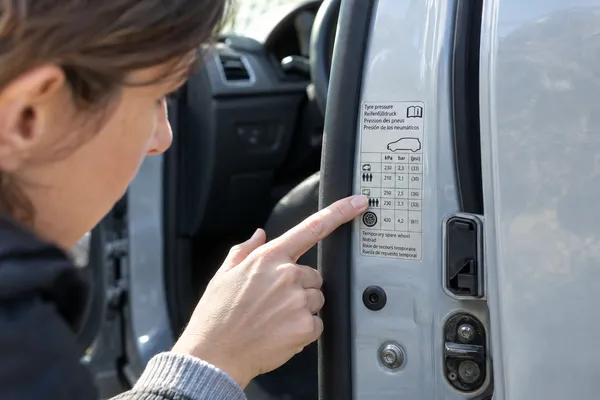
Read the guideThe number on a tyre sidewall is not the normal pressure setting for your car. Find the vehicle’s table and choose the right row.
Read the guideTyre pressure changes as the tyre warms. A cold reading gives you the comparison the vehicle’s recommendation normally expects.
Read the guideAdding air every few days may keep the warning quiet, but it does not explain why one tyre keeps losing pressure.
Read the guideA generous groove in the middle can distract from a worn shoulder. Look across the tyre and around its circumference.
Read the guideA bubble pushing outward from a tyre sidewall is a structural warning, even when the tread still looks new.
Read the guideFinding a nail does not tell you how much air has escaped or whether the tyre remains repairable. Leave the object for the professional to assess.
Read the guideTwo small holes can lead to different decisions. Their location and the condition inside the tyre matter more than their appearance from outside.
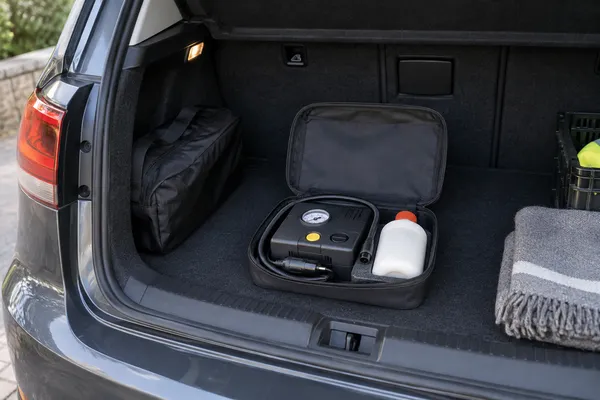
Read the guideA compressor in the boot is only part of a puncture kit. The bottle, hoses, power connection and instructions all need to be ready.
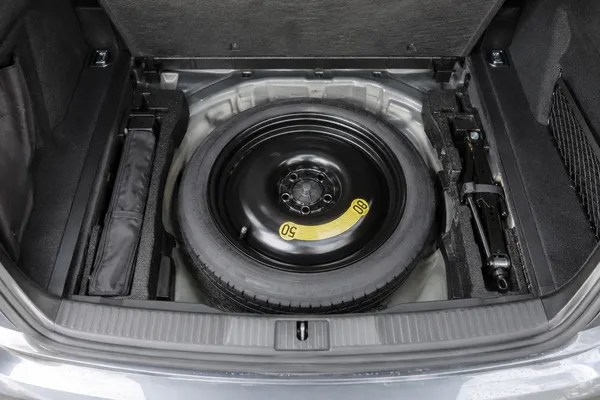
Read the guideA compact spare restores limited mobility. Its own instructions still apply even when it fits neatly onto the car.
Read the guideThe size moulded onto a sidewall is a compact description, not just the wheel diameter. Copy the complete line before ordering.
Read the guideThe small number and letter after the tyre size describe capabilities that must suit the vehicle. They are not optional shopping details.
Read the guideThe most useful tyre choice starts with the journeys you cannot postpone, rather than the weather on the day you buy.
Read the guideSeasonal tyres spend months waiting for their next journey. Their storage space deserves the same attention as the changeover appointment.
Read the guideMoving tyres between corners can help manage wear, but the car and tyre markings decide which moves are permitted.
Read the guideWhen only two tyres are replaced, putting the newest pair on the driven wheels is not automatically the right choice.
Read the guideBoth services concern wheels, but one addresses their angles and the other the rotating assembly’s balance. A symptom does not choose the service by itself.
Read the guideA hard impact can damage more than the visible outer rim. Pay attention to what changed afterwards without taking a test drive to provoke it.
Read the guideOne worn edge or a series of shallow patches tells you where to look more closely. It does not name the faulty part by itself.
Read the guideA high-pitched brake sound needs context. A useful description helps the workshop investigate without turning the driver into a brake tester.
Read the guideA harsh metallic scraping sound during braking can indicate serious wear or another fault. It is not something to postpone until the next service.
Read the guideA pedal that travels farther, feels unusually hard or no longer responds as expected deserves immediate attention, even without a dashboard warning.
Read the guideVibration during braking needs a careful description. The place you feel it and the circumstances help the workshop choose its checks.
Read the guideA thin orange film can appear after a car sits in damp conditions. Its presence is different from proof that the brakes are either ruined or safe.
Read the guideA small switch can manage several automatic behaviours. Learn the confirmation signals rather than assuming the car has applied the brake for you.
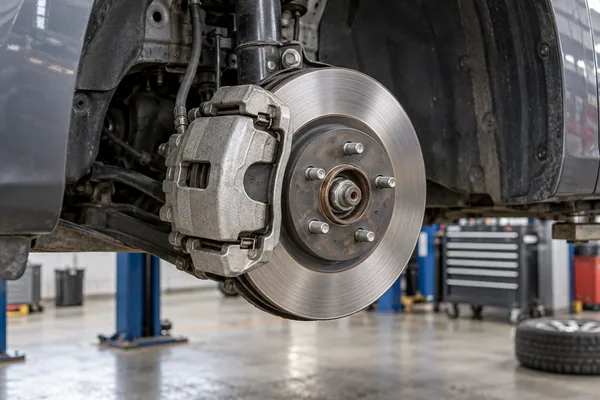
Read the guideA useful brake quote explains what is worn, what was measured and what the proposed work includes. The parts total is only one part of it.
Read the guideFitting a battery and telling the car that it has been replaced can be two separate jobs. Find out what your model requires before judging the result.
Read the guideAn engine that stays running at a junction is not automatically reporting a fault. The system has conditions to satisfy before it can stop.
Read the guideA bright dashboard is useful information, but it is not a test of the battery under starting load.
Read the guideThe car starts in the morning but refuses after a short stop. The timing of that failure is part of the evidence.
Read the guideA harsh mechanical noise during a start request deserves a pause, not a series of attempts to make it catch.
Read the guideA starting noise that persists after the engine catches needs a different response from an ordinary reluctant start.
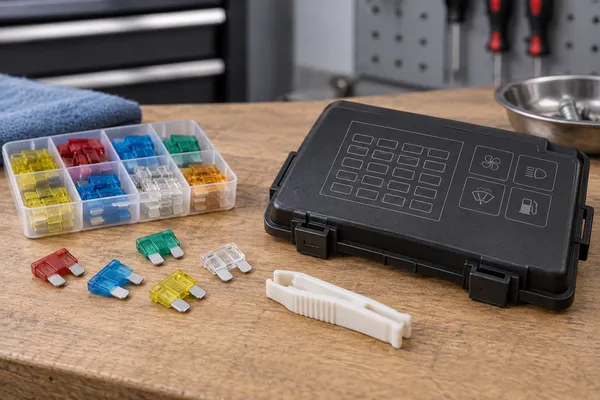
Read the guideThe fuse is there to protect a circuit. Replacing it with something stronger changes the risk, not the cause of the fault.
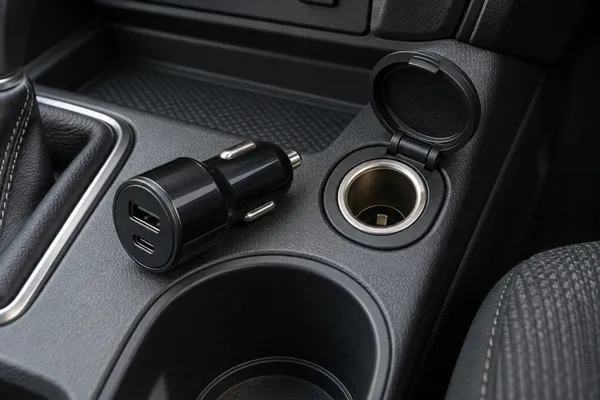
Read the guideA phone that no longer charges can point to the adapter, the cable, the socket or the way the car supplies it. Separate those possibilities calmly.
Read the guideOn a full hybrid, silence does not tell you whether the car is switched off. Learn the vehicle's ready-to-drive indication.
Read the guideWhen the car behaves perfectly at the workshop, a short, precise account can keep the original problem from disappearing into guesswork.
Read the guideAn oil-can symbol with the engine running calls for a safe stop. A normal dipstick reading does not rule out a pressure problem.
Read the guideA burst of clicks often points toward insufficient starting power, but the sound alone cannot tell you which part needs replacing.
Read the guideA car can feel completely normal while its engine-management system stores a fault. Begin with the warning’s behaviour and the handbook, not a shopping list of parts.
Read the guideFlashing changes the meaning of an engine warning. Reduce demand, find a safe place to stop and avoid trying to drive the fault away.
Read the guideFirst distinguish a parking-brake reminder from a brake-system warning. A red lamp that remains on after release needs a cautious response.
Read the guideAn ABS warning changes the available assistance, even when the pedal still feels familiar.
Read the guideTwo brake-related warnings together deserve more caution than an ABS lamp on its own.
Read the guideAn airbag warning concerns the restraint system. Looking under a seat is not a substitute for a proper diagnosis.
Read the guideA battery-shaped lamp while driving usually concerns the charging system, not simply how old the battery is.
Read the guideAn overheating alert is a reason to end the journey safely, not a request to open the coolant cap.
Read the guideA low-level message and an overheating warning ask different questions. Check the level only under the conditions in the handbook.
Read the guideCold weather can reveal a marginal tyre pressure. The answer is a measured cold check, not simply dismissing the lamp as seasonal.
Read the guideA pressure-monitoring malfunction and a low tyre can occur together. A flashing lamp is not permission to skip a gauge check.
Read the guideA brief stability-control flash can mean the system is intervening. Treat it as feedback about available grip.
Read the guideA permanent stability warning needs interpretation: the system may be switched off, in another mode or reporting a fault.
Read the guideA steering warning becomes more urgent when the wheel feels heavier or assistance changes unexpectedly.
Read the guideA diesel particulate-filter message is not a universal instruction to drive fast. The exact wording determines the next step.
Read the guideRead whether the display requests fluid or reports a system fault. A no-restart countdown should not be left to the last journey.
Read the guideThe diesel coil symbol can mean normal preheating before startup and something quite different while driving.
Read the guideA spanner can indicate scheduled maintenance or a fault, depending on the car and accompanying message.
Read the guideAn oil-level message concerns quantity. A pressure warning concerns circulation, and its urgency is different.
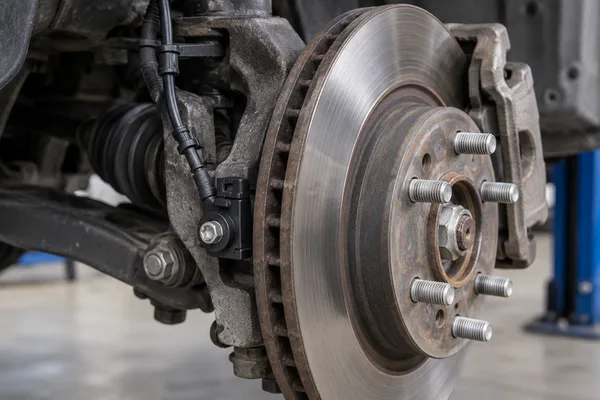
Read the guideA wear indicator gives a reason to arrange a brake inspection. It does not measure every part of the braking system.
Read the guideAn electronic parking brake fault can leave the car unable to release or unable to hold. Establish which situation you have before moving it.
Read the guideA gearbox-temperature message needs its own cooling instructions. Engine-coolant advice is not automatically the right procedure.
Read the guideReduced power describes what the car is doing, not which component has failed.
Read the guideA dashboard full of warnings may have one shared cause or several real faults. Preserve the combination before guessing.
Read the guideSome settings may need relearning after electrical power is interrupted, but new warnings still need checking.
Read the guideSeveral lights before the engine starts can be normal. The important comparison is what the handbook says should happen next.
Read the guideColour helps you prioritise attention, but the symbol and message still determine the action.
Read the guideThe triangle often directs you to another message. Read that message before deciding how serious the problem is.
Read the guideA lamp can look normal in one mode and fail in another. Check the function named by the message, not just the nearest light.
Read the guideA low washer-fluid warning is easy to postpone until road spray makes it suddenly important.
Read the guideA bag on the passenger seat can confuse the situation, but a persistent empty-seat warning needs assessment.
Read the guideBad weather can limit cameras and radar. Drive with the understanding that the unavailable assistance may not intervene.
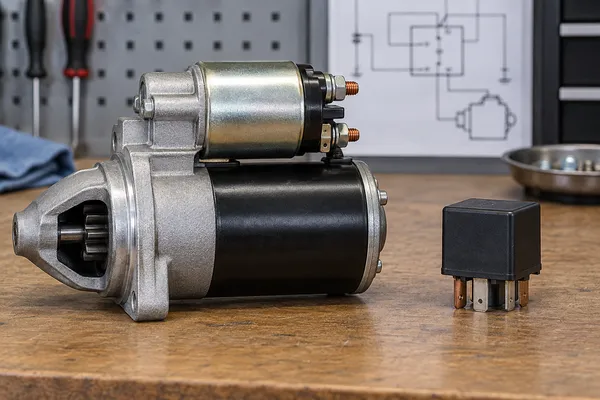
Read the guideOne firm click narrows the description of a no-start, but it does not identify the starter motor with certainty.
Read the guideCold weather can expose a weak starting system. Compare the speed of cranking with the time the engine takes to fire.
Read the guideIf the engine turns normally but never runs, the battery is not the only question. Preserve the starting conditions before repeated attempts change them.
Read the guideSilence can mean that the start request was not accepted. Begin with the display and normal starting conditions.
Read the guideHaving the key inside the car does not guarantee that the vehicle can recognise it. Follow the designated backup method.
Read the guideA flat fob battery need not mean a stranded car. The emergency entry and starting procedures are vehicle-specific.
Read the guideA second authorised key is a useful comparison tool. Keep the conditions the same so the result means something.
Read the guideA key that will not turn can be held by steering-lock tension. Gentle normal operation is different from forcing a damaged lock.
Read the guideA start refusal can come from the car not recognising a permitted selector position. Keep the vehicle secured throughout the check.
Read the guideA manual car may require the clutch fully depressed before starting. A persistent prompt is a symptom, not a reason to bypass the switch.
Read the guideRepeated overnight discharge needs a history of what the car was doing while parked, not just another battery.
Read the guideA series of short journeys can leave a battery with less charge even though the car is used every day.
Read the guideBefore turning the key after weeks away, give the parked car a short inspection and avoid assuming its battery is fully charged.
Read the guideStarting and charging are connected, but the same symptom can arise from different faults. Ask for a system assessment.
Read the guideBefore connecting anything, establish whether the vehicle allows a jump-start and which points it specifies.
Read the guideThe car running again is useful progress, but it does not explain why the battery needed help.
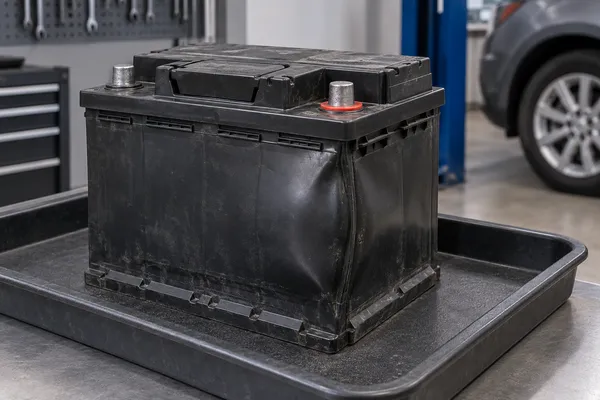
Read the guideA distorted battery case changes the task from getting the car started to keeping people away from a damaged battery.
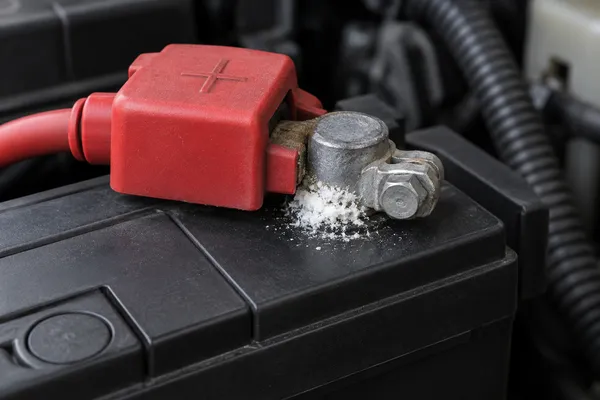
Read the guideA white or coloured deposit near a battery terminal deserves inspection. Cleaning the visible surface may not explain why it appeared.
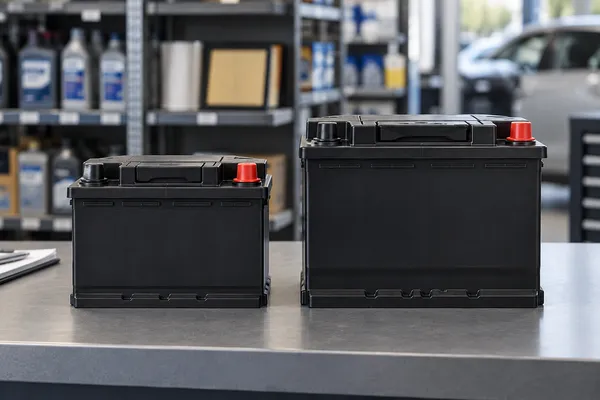
Read the guideThe right battery must match more than its dimensions. Technology, ratings and vehicle setup all belong in the decision.
Read the guide