Start with the trip you are making
Think about passenger numbers, luggage, expected weather and the type of roads ahead. Tyre pressures may need the manufacturer’s loaded setting, and winter washer protection should match the coldest likely conditions. Look at the service schedule and any unresolved warning before treating the trip as a reason to postpone maintenance. A known defect does not become less important because accommodation is already booked.
Check tyres when cold, including their visible condition, and confirm that the spare or puncture equipment is usable and appropriate. Find the locking-wheel key if the vehicle uses one. You do not need to practise a roadside wheel change in an unsafe location; you do need to know what equipment the car actually carries and where the assistance details are kept.
Use the cold engine opportunity
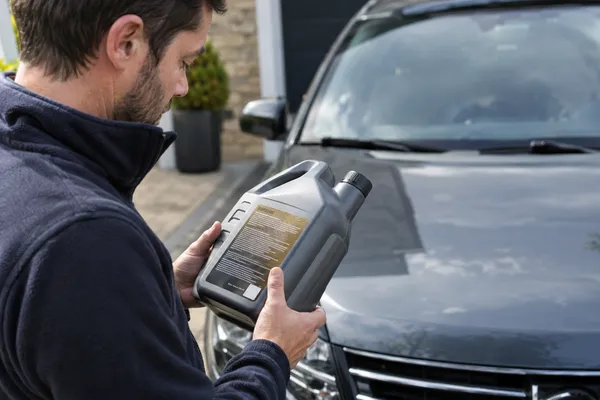
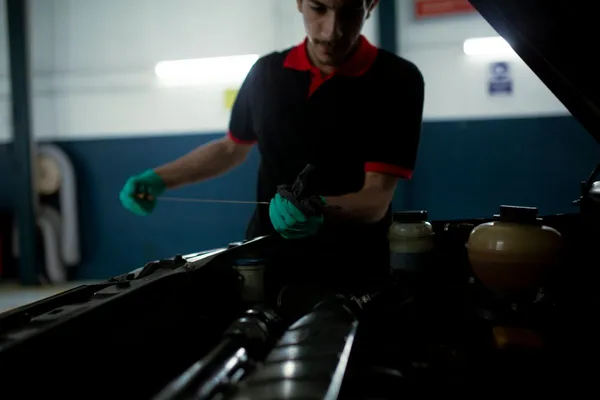
Check the permitted fluid levels according to the handbook, including engine oil and coolant where applicable. Identify each reservoir rather than assuming the caps are arranged like your previous car. Never open a hot cooling system. If a level is unexpectedly low, investigate the significance instead of filling every container to the top and calling the preparation complete.
Test lights, washers and wipers while parked. Clean the glass, mirrors and lamp lenses with suitable products. Make sure luggage will not obstruct necessary visibility or interfere with pedals, seat adjustment or controls. Secure loose items so that an ordinary stop does not send them moving through the cabin. Load limits and roof-carrier instructions remain vehicle-specific.
Leave room for a decision
If you find a damaged tyre, abnormal brake behaviour, a significant leak or a warning requiring attention, arrange advice before departure. A last-minute discovery may require changing the plan. Do not use the first motorway stretch as a diagnostic test. A car that starts and idles smoothly has not thereby passed checks of every safety-related system.
Keep the trip documents, breakdown contact and necessary vehicle information accessible rather than buried beneath luggage. For an electric vehicle, plan charging with realistic stops and follow its preparation guidance. Finish by confirming the bonnet and doors are secure. The most useful part of checking a day early is the time it gives you to act on what you find.