Do not improvise the cooling routine
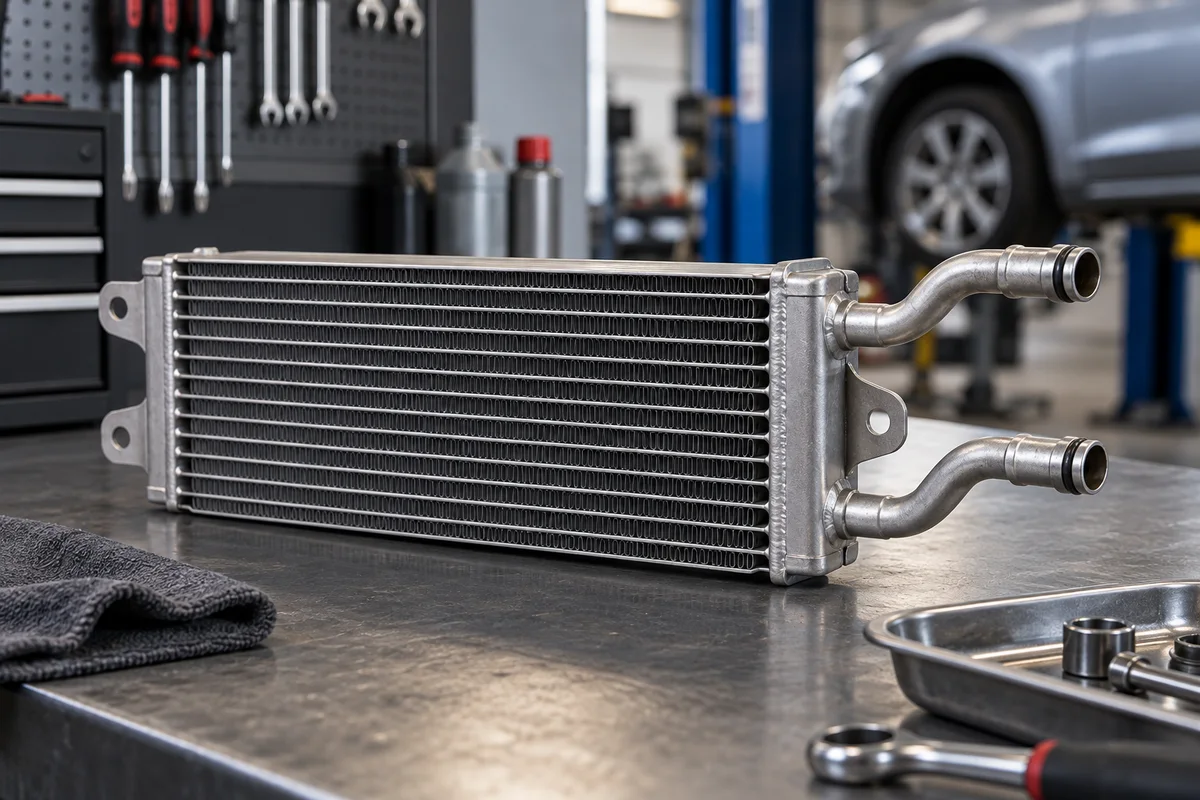
A transmission can report excessive temperature after difficult traffic, a climb, towing or another demanding condition. Read the exact message and stop safely when instructed. Whether the engine should be switched off or left idling in a specified position depends on the vehicle and warning. Use its manual, not a general rule copied from another car.
A message about reduced transmission performance may accompany changes in gear selection or response. Do not demand a hard acceleration to see whether the normal shifts return. Make the next action about reaching safety and following the prescribed cooling step.
The circumstances explain the load
Tell the workshop whether the warning followed repeated creeping, holding position on a slope, a heavy load or a long descent. These details can be more helpful than the outdoor temperature alone. Note any smell, fluid beneath the car or previous shift hesitation separately.
If the message clears, do not automatically repeat the same demanding manoeuvre. Ask whether it is appropriate to continue and whether the driving conditions should change. A warning that returns under ordinary use needs investigation rather than an indefinitely repeated stop-and-cool routine.
For a towing-related event, provide the trailer and loading details without guessing that the gearbox has failed. Check the vehicle’s permitted towing and loading information before repeating the trip. A repair conversation is more productive when the actual use is clear, including slow manoeuvring before the warning rather than only the faster road section.
Transmission fluid is not a casual top-up
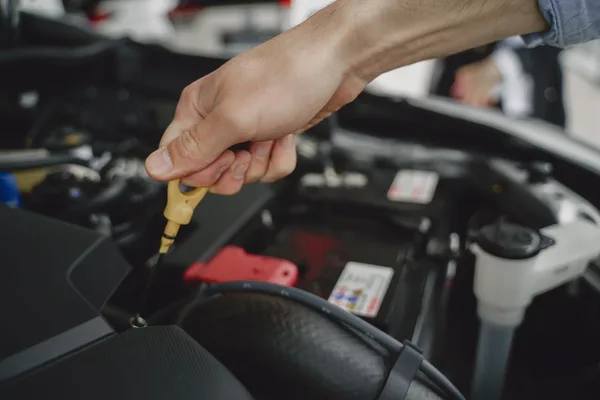
Many transmissions do not provide a simple owner dipstick. Level checks can require a specified temperature and procedure, and the correct fluid is highly vehicle-dependent. Do not add a universal product or open an unfamiliar plug in response to the message.
A workshop may need to distinguish an operating-condition issue from fluid, cooling, control or mechanical faults. Ask which observations and tests support the explanation. A flush or additive offered without a diagnosis is not the same as establishing why the temperature warning occurred.
Record a clear endpoint
Keep the exact message, its duration and the action that made it disappear. After repair or advice, ask what should happen if it returns. Knowing the safe response in advance is particularly useful before another loaded journey, rather than trying to read a manual in the middle of a steep queue.