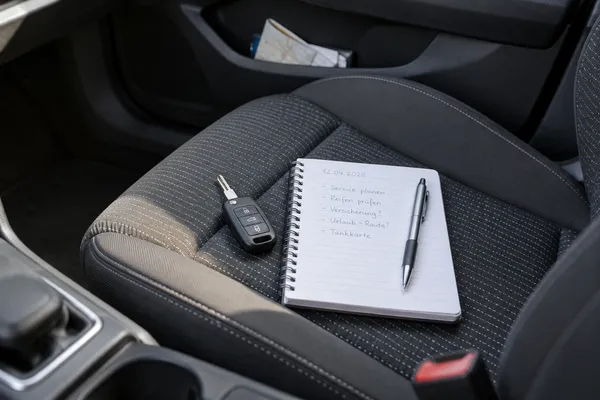
Ask for the specific operation
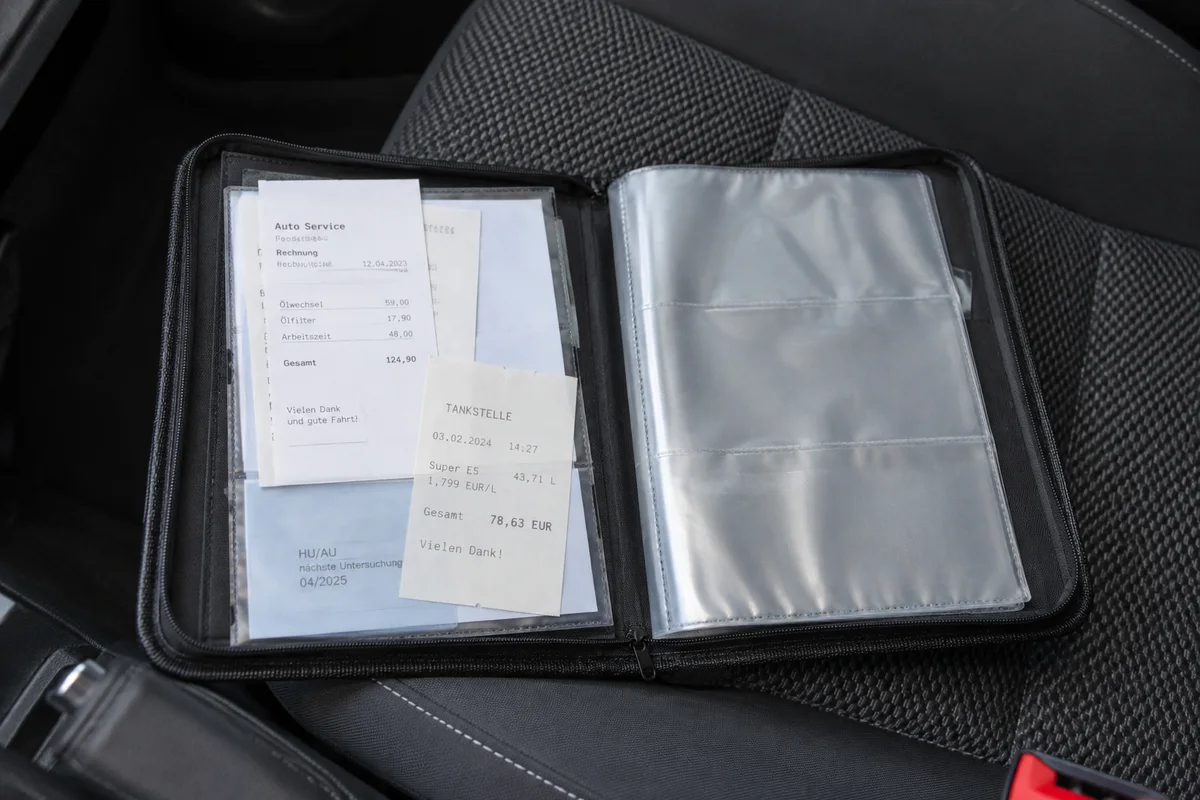
A seller may remember that a car had a major service without remembering every item included. Ask which operation was completed, at what date and mileage, and by which workshop. The description matters: an inspection, adjustment and replacement are different jobs. A general statement that everything was done should not quietly become proof of a particular scheduled operation.
Check the vehicle's exact maintenance requirements before deciding what evidence is missing. Different engines and transmissions within the same model can have different schedules. Do not assume a belt, fluid or other item was due because a similar car required it. The question should be tied to the manufacturer's specification for this vehicle, not to a generic list from another owner.
Look for a legitimate way to confirm it
Ask whether a duplicate invoice or digital record can be obtained by the person authorised to request it. A workshop may have privacy or record-retention limits, so an immediate refusal to give you another customer's information is not itself evidence that the job never happened. The seller can explain what documentation is available and what remains unavailable.
A sticker or handwritten note may add a clue, but it is not automatically equivalent to a detailed record identifying the vehicle and completed work. Do not rely on the apparent cleanliness of a component as proof of its age. An inspection may reveal condition, yet it cannot always establish the date or mileage of an undocumented replacement.
Make uncertainty explicit before purchase
If confirmation cannot be obtained, record the item as unknown rather than silently treating it as completed or accusing the seller of dishonesty. Ask an appropriate workshop what the uncertainty means for the vehicle's maintenance plan. That advice can help you decide whether further checks or work should be arranged before using the car normally.
If the seller agrees to have the operation completed, define the exact scope and documentation you expect before handover. Keep that agreement with the purchase records and verify the resulting paperwork. The important distinction is between a known maintenance state and an assumption. A missing receipt need not end every purchase, but a significant unknown should not vanish simply because the rest of the car is appealing.
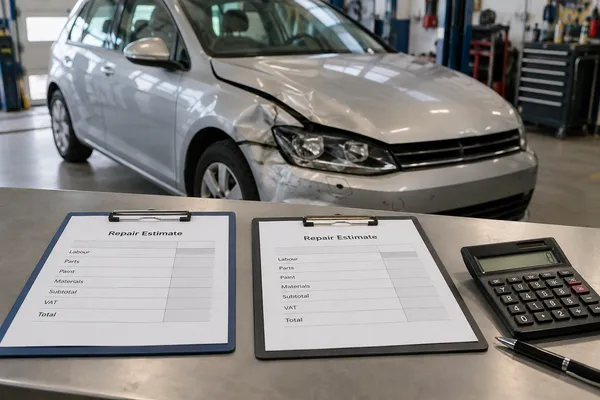
An estimate for work is not evidence that the work was completed. Check whether the document is a proposal, an invoice or a detailed service entry, and ask for clarification if its status is unclear. The distinction can matter even when the date and vehicle details appear correct.