The socket is only the entrance
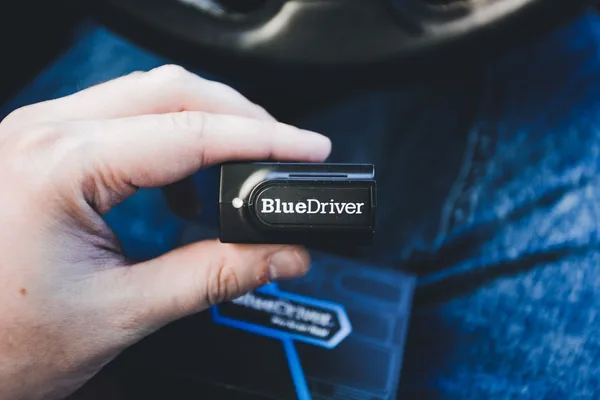
A small reader can be very helpful without being a complete diagnostic system. Standard emissions-related access and deeper manufacturer-specific coverage are different things. The fact that a plug fits the diagnostic socket does not tell you which modules the software can interrogate, which descriptions it understands or whether it supports the exact vehicle version in front of you.
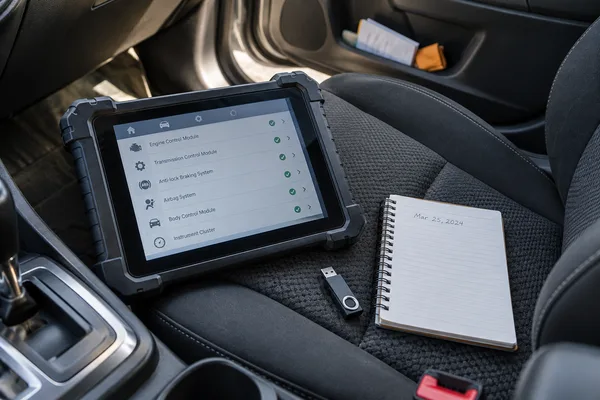
That matters when a scan says there are no codes. The honest interpretation may be that no codes were found in the systems the tool actually checked. It is not automatically a clean bill of health for the transmission, body electronics or every safety system. Ask for the list of modules included in the report rather than relying on a single reassuring headline.
Check coverage before buying access
If you are choosing a reader, look for a compatibility statement that identifies the model, production period, engine and intended functions. A broad claim such as 'all cars' is not enough to establish detailed coverage. Also check whether a feature requires a separate subscription, an additional interface or a specific software version. Those practical details can decide whether the tool answers your actual question.
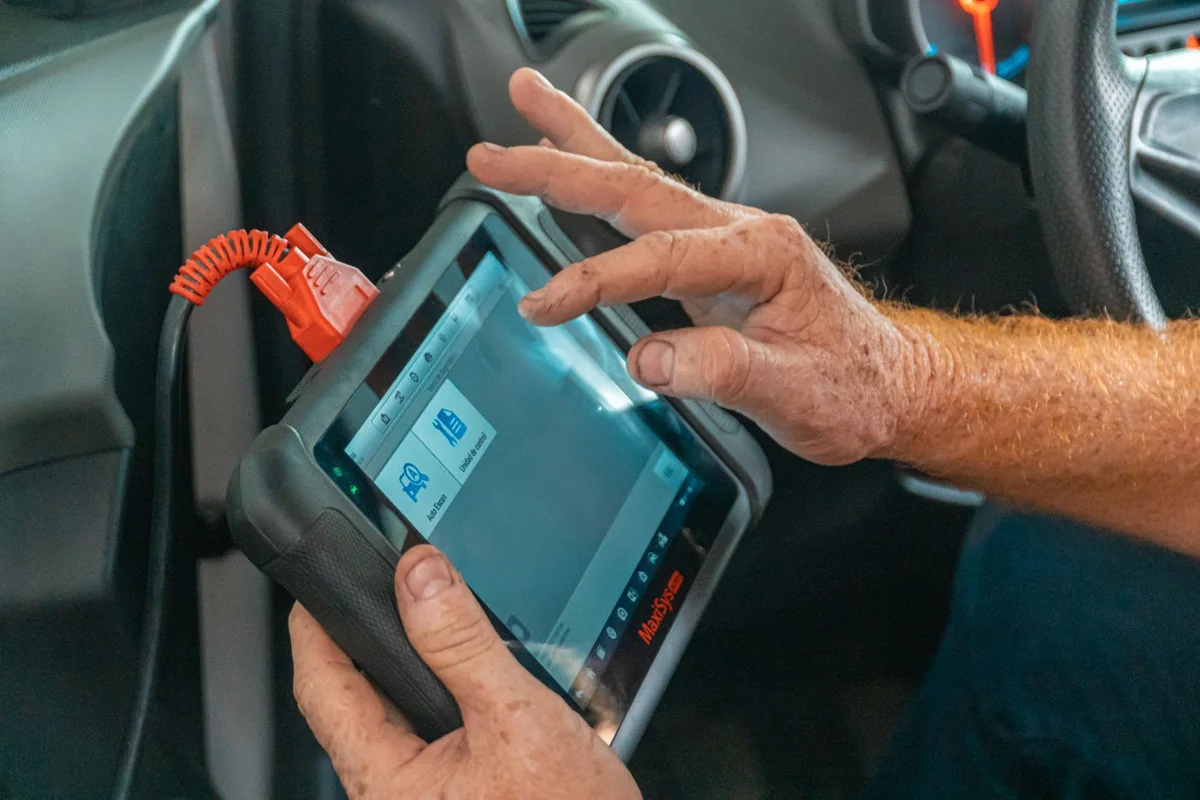
More functions do not necessarily make an owner-level tool safer to experiment with. Reading a record is different from commanding an actuator, coding a module or initiating a service procedure. Do not explore those menus merely because they are available. Some operations require preparation, controlled conditions or equipment that is not obvious from a short label on the screen.
Explain disagreements rather than hiding them
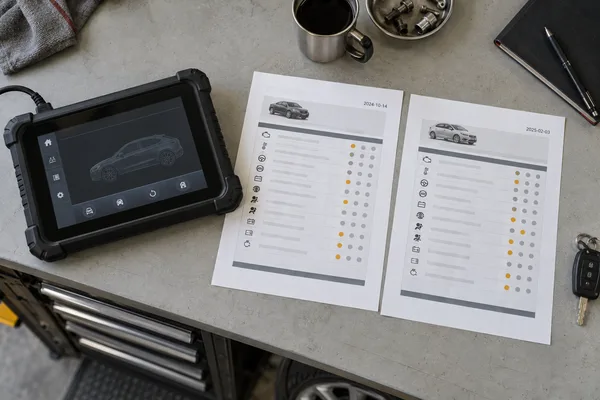
When a workshop finds information that your reader missed, keep the two reports and compare their scope. The difference may reflect access, terminology, timing or a change in the vehicle's condition. It need not mean either person invented a result. A dated report listing modules and statuses is easier to discuss than an app screenshot showing only a green tick.
Use your own tool to preserve useful observations within its limits. Let a suitably equipped workshop decide what further checks the complaint needs. For a brake, airbag or high-voltage warning, do not assume a generic emissions scan has investigated the relevant system. The diagnostic question should determine the equipment, not the other way around.