Record what has actually returned
It is frustrating when a noise or warning appears after work intended to address it. Before deciding what happened, write down the new event. Is it the same sound, under the same conditions, with the same message? A similar sensation can come from a different cause, while an intermittent original fault may also have remained unresolved. The record should leave room for both possibilities.
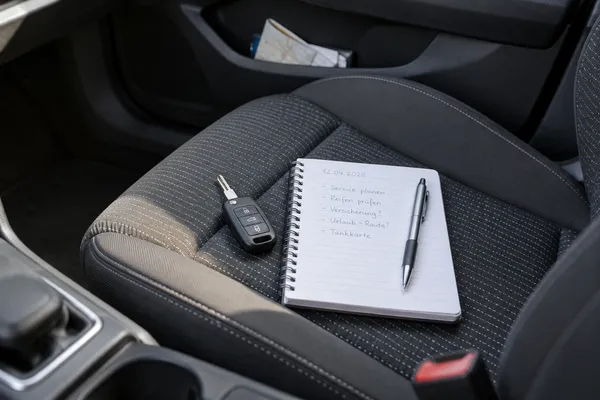
Keep the date, approximate mileage since collection and circumstances of the recurrence. Preserve photographs or scan reports already available without clearing anything. If the vehicle is unsafe, stop and arrange help rather than driving back simply to demonstrate the complaint. A workshop appointment does not override a serious warning or a loss of reliable control.
Contact the repairer with the original record
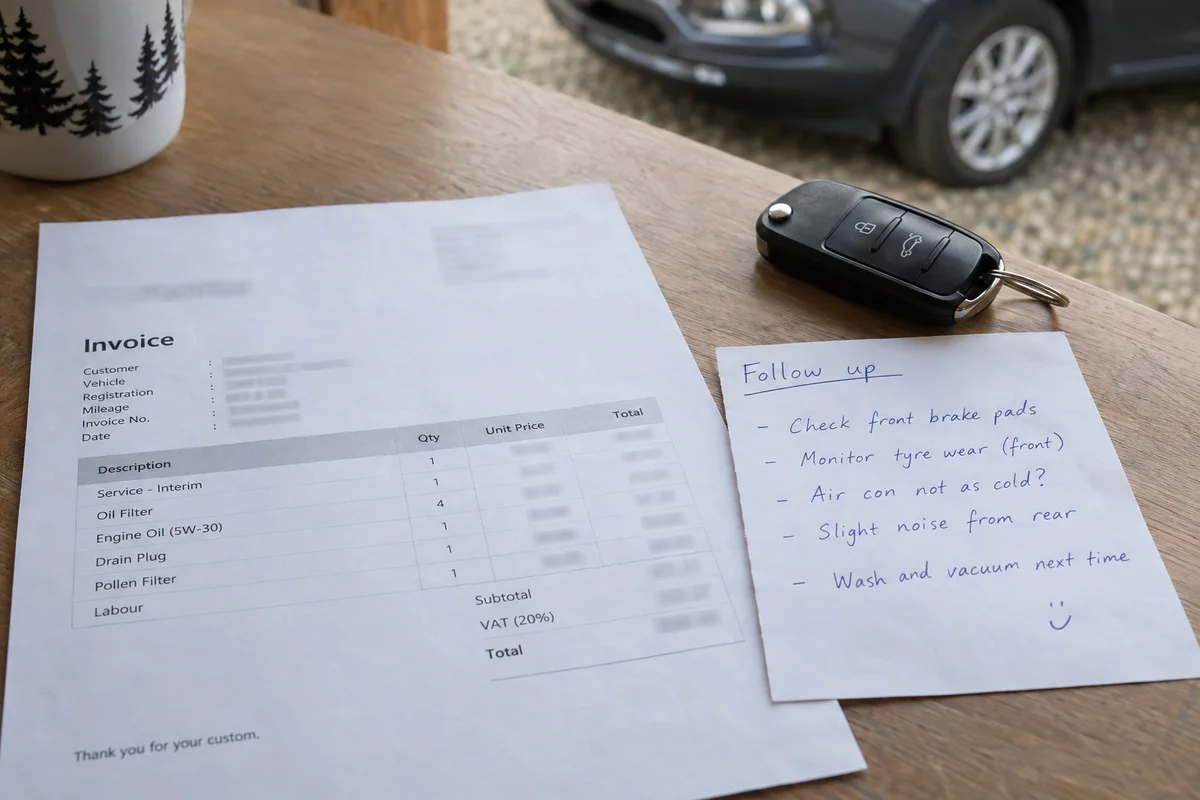
Use the invoice or job reference and describe how the new event compares with the initial complaint. Ask what the previous investigation confirmed and how the completed work was checked. This is more productive than beginning with a demand for a particular replacement part or a claim that nothing was done. The existing report should provide a starting point for the next discussion.
Agree how the follow-up will be assessed and clarify its scope before additional work begins. If the previous appointment depended on conditions that were not reproduced, discuss whether leaving the vehicle longer or cold would help. Do not deliberately recreate a dangerous event. The workshop should decide what controlled assessment is appropriate for the car and symptom.
Keep the distinction between evidence and responsibility
The cause of a returning symptom and any question about responsibility are related but not identical. A technical review should establish what is happening now and how it relates to the earlier findings. Any coverage or remedy depends on the actual agreement and applicable local rules. Keep documents and communications, rather than relying on a universal promise found on a general motoring website.
If a second opinion becomes necessary, provide the first report and explain which parts were changed. Ask the second workshop to assess the evidence independently, not simply endorse your preferred explanation. A coherent timeline protects the usefulness of the diagnosis. Repeatedly resetting codes, changing parts privately or losing the earlier paperwork makes it harder for anyone to distinguish the original fault from later changes.
Mention whether there was a symptom-free interval. A fault returning immediately at collection and one appearing months later should not lose that difference in the retelling.