Lead with one ordinary example
The most useful first sentence describes what happened, not what you think must be replaced. 'A clicking noise comes from the front when parking at low speed' gives a workshop something to investigate. 'Needs a new joint' skips the evidence. You can mention a suspicion later, clearly labelled as one, without allowing it to replace the original observation.
Choose an example you remember well. Include whether the car was cold or warm, moving or stationary and what immediately preceded the symptom. State the approximate duration and whether it happened again. Do not make uncertain details sound precise. If you cannot remember which side the noise came from, say that rather than sending the investigation toward a guessed location.
Add what changes the appointment
Mention warnings, loss of control, stalling or other concerns that affect whether the car should be driven to the workshop. Ask about recovery if safety is uncertain. Explain practical conditions such as a problem that appears only after an overnight stop. A short booking made after a warm journey may not allow the relevant observation, however good the written description is.
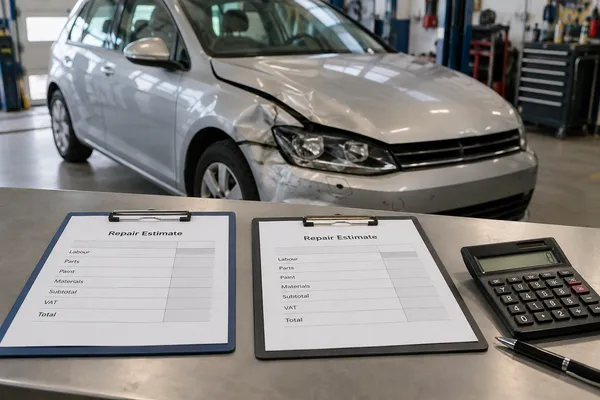
Attach recent repair information and saved scan reports separately. Put dates on them and distinguish work completed from work merely suggested. If another garage has already investigated, include its findings without turning the handover into an accusation. The next technician needs to know what was actually checked, not simply that someone previously said the car was fine.
Finish with the question you want answered
State the desired outcome in practical terms: identify the cause of the noise, assess the new loss of response or explain why the warning returned. Confirm the agreed initial scope and how additional investigation will be approved. Give a contact method that works while the vehicle is there. A useful note should make the visit easier, not bury the main complaint beneath pages of speculation.
Keep a copy and ask for the workshop's findings against that complaint. If there are several unrelated concerns, number them and identify the priority rather than blending them into one paragraph. At collection, check which items were assessed and which remain open. This makes a later follow-up a continuation of a clear record instead of a disagreement about what was originally requested.
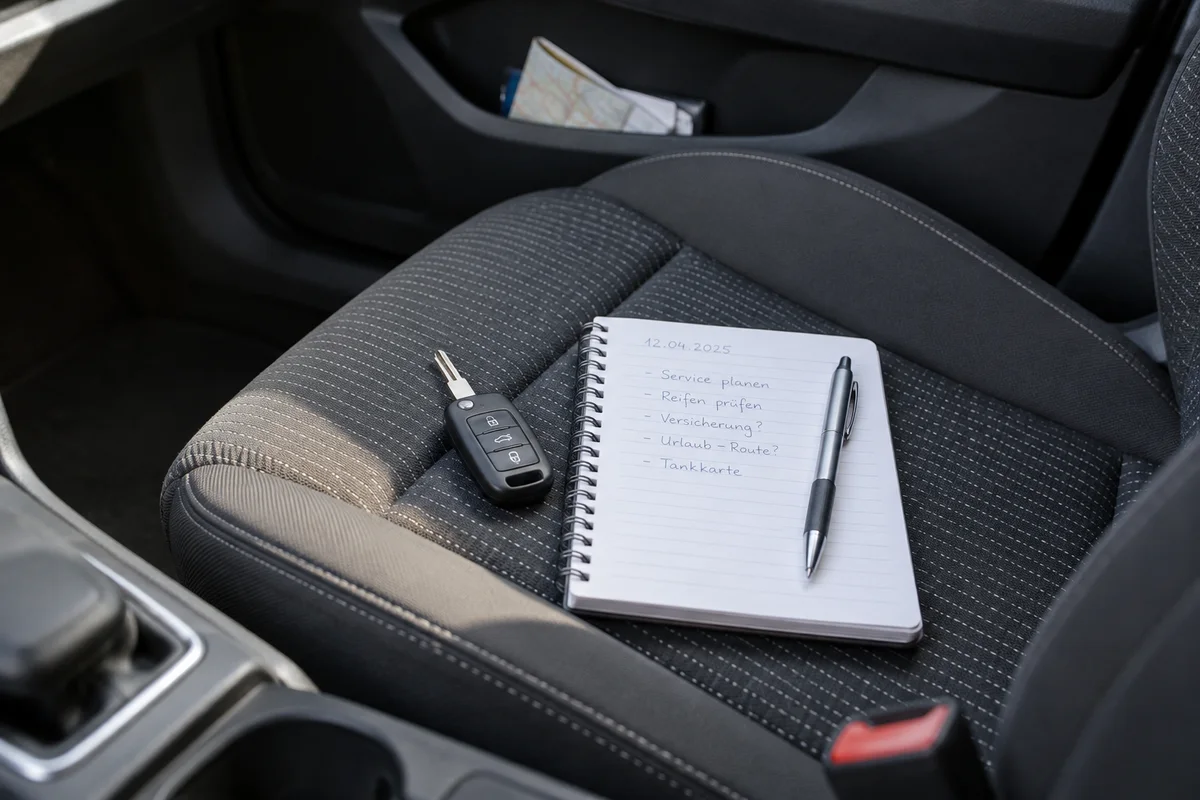
Use the same wording on the booking and the note you leave with the keys. Otherwise, a detailed account can become separated from a shorter reception entry that describes a different problem.