Use the vehicle’s identity consistently
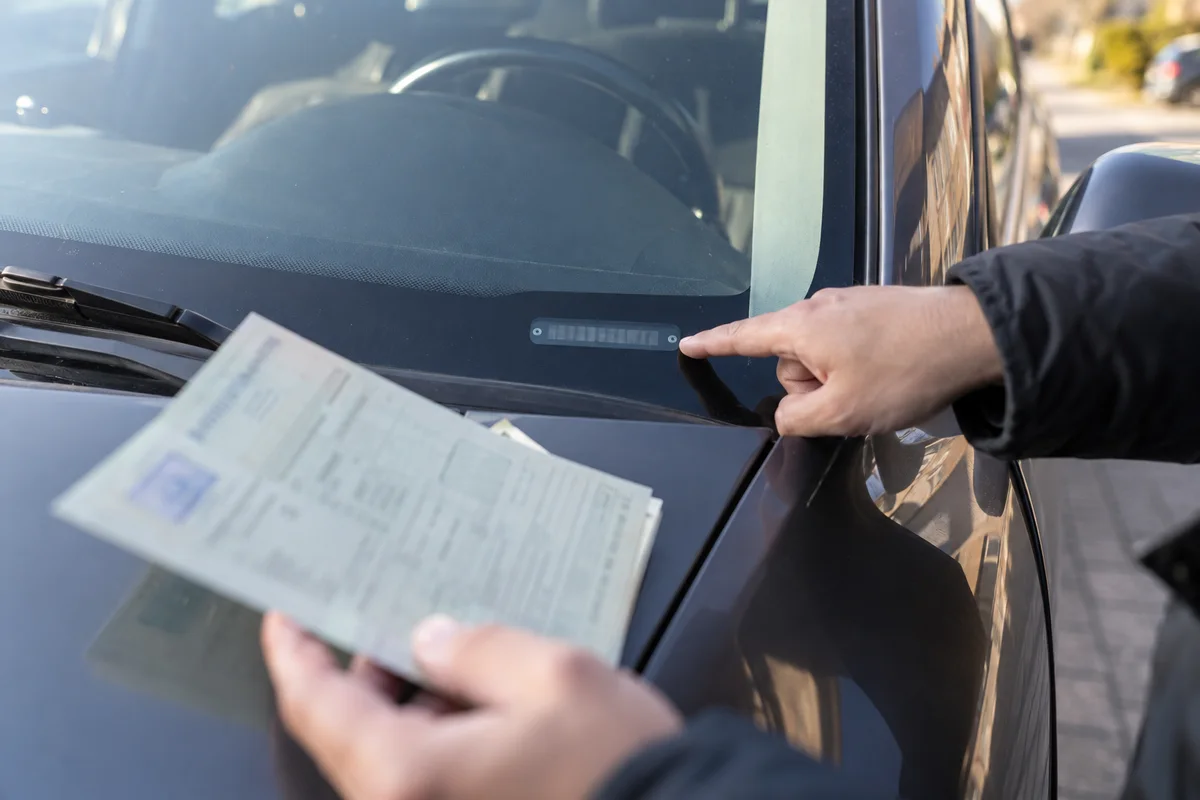
Advertisements, service invoices and inspection reports can contain shorthand descriptions or typing errors. Start with the vehicle's identification details and compare them across the available documents. Use the manufacturer's indicated identification locations that are normally accessible; do not remove panels or alter markings. A mismatch needs an explanation before the paperwork can be treated as evidence about this particular car.
The vehicle identification number is not simply a trim badge or registration plate. Where the relevant documents include it, compare carefully rather than relying on the model name alone. If a number is unclear, ask for a legible record or appropriate professional help. Do not guess a character merely to make a database search return a convenient result.
Check dates and descriptions together
Look at the chronology of service and inspection entries, including the mileage stated at each event. A discrepancy can have several explanations, so record the question rather than immediately deciding its cause. Ask the seller for supporting evidence. A verbal assurance that every document is fine should not replace an explanation of a specific inconsistency you can point to.
Check that engine, transmission and equipment descriptions used for maintenance decisions match the vehicle variant. Similar-looking cars may have different schedules and components. If the car has been modified or a major assembly replaced, ask for the relevant records. The documents should help you understand that change instead of leaving you to assume the factory specification still describes everything fitted.
Keep identity checks within their limits
The documents required for ownership, registration or transfer depend on the country and circumstances. Use the relevant official local process rather than applying another country's checklist as law. A service invoice is not automatically proof of ownership, and matching identification does not certify mechanical condition. These are distinct questions that need the appropriate evidence.
Protect personal information while reviewing and storing copies. You generally need the vehicle facts for your assessment, not a previous owner's unrelated private details. If important identity questions remain unresolved, pause the purchase decision and obtain suitable clarification. A clean-looking car and a friendly explanation do not make an unresolved document mismatch disappear.
Keep a note of any discrepancy and the document that resolves it. If the explanation relies on a correction or replacement record, ask to see that record rather than merely adding a verbal assurance to the file. A clear paper trail should remain understandable after the viewing has ended.