A full reservoir is not a freshness test
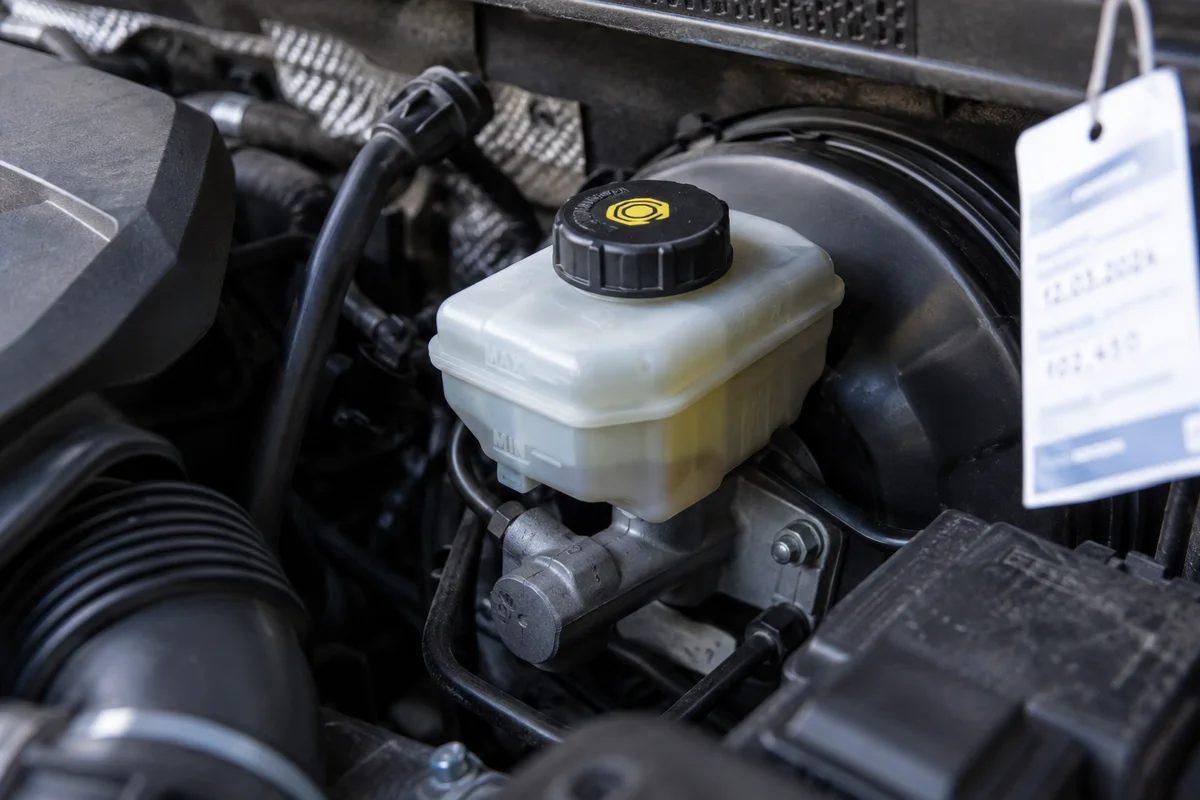
Looking through a brake-fluid reservoir may tell you where the level sits, but it does not establish the fluid’s age or condition. Common glycol-based brake fluids can absorb moisture over time, which is one reason scheduled replacement matters. The correct requirement depends on the vehicle and fluid system. Do not turn a general recommendation into a universal interval for every car.
Find the last documented fluid replacement in the invoices. A service entry saying brakes checked or fluid topped up is not the same operation. If the history is unclear, ask the workshop to compare it with the manufacturer’s schedule and recommend the next step. An inspection report can help, but it should explain what was assessed rather than merely attach a colour to an unknown result.
Keep the circuit closed
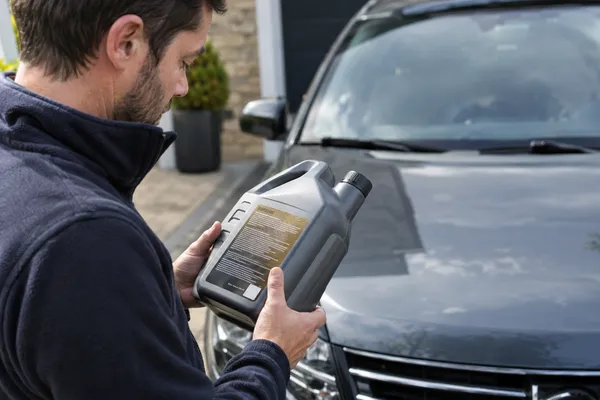
For an ordinary owner check, follow the handbook and read the level without opening the reservoir unnecessarily. Dirt and unsuitable fluid do not belong in the braking system. Never choose a bottle solely because its label includes a familiar DOT number, and do not mix products on the assumption that a higher number is an upgrade. The exact approved specification matters.
A falling level can relate to wear or a leak and should be assessed in context. Repeatedly topping up to hide the change is not a maintenance plan. If the brake warning appears, the pedal feels different or braking performance changes, treat that as an immediate safety issue rather than waiting for a fluid appointment. Stop safely and obtain assistance when necessary.
Ask for a documented professional job
Fluid replacement involves the hydraulic system and may require specific procedures for ABS or other equipment. It is not a task to improvise from a generic bleeding sequence. Ask the workshop to identify the required fluid and procedure, then retain the invoice showing the completed replacement. Clarify any separate brake repair recommendations instead of assuming that fresh fluid fixes worn mechanical parts.
Record the date and mileage in the same place as other time-based maintenance. After collection, report an abnormal pedal or warning before continuing to drive. A useful record keeps two matters distinct: scheduled fluid renewal helps maintain the system, while a new braking symptom still demands its own investigation.