Start with four specifications, not four positions
Before asking for a rotation, compare the front and rear tyre sizes and the wheel specifications. Some cars use different sizes across the axles, so a simple front-to-back swap is unsuitable. Other differences may be less obvious than the diameter. Have a tyre professional check the complete fitment rather than relying on the fact that all four wheels look alike.
The handbook may give a rotation pattern and interval, or it may restrict rotation for that configuration. Use that guidance rather than a generic diagram found online. The purpose is to manage normal differences in wear while preserving an approved arrangement. Moving a damaged or incorrectly specified tyre to a less visible position does not solve its underlying problem.
Read the mounting information correctly
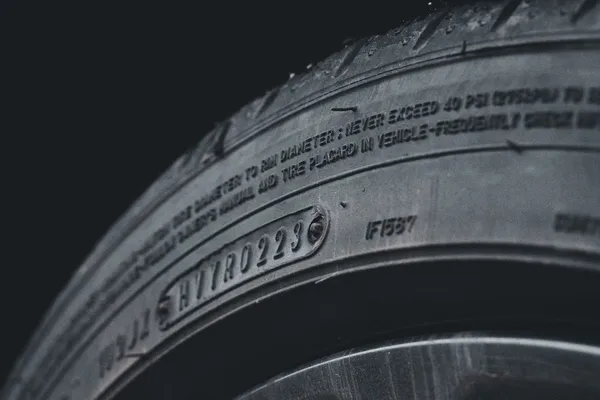
A directional tyre has a specified rolling direction, usually indicated by an arrow. An asymmetric tyre has designated inner and outer faces, commonly marked on the sidewall. These are different requirements, and some tyres can combine features. The professional must preserve every applicable instruction when deciding whether a complete wheel can move or a tyre would need remounting.
Do not turn this into a home experiment with the car supported on improvised equipment. Rotation involves safe lifting, correct fasteners and tightening procedures as well as the position of the tread. It also creates an opportunity to inspect areas normally hidden from view. Ask for any unusual wear or damage to be explained before the wheels simply return to the car.
Complete the change beyond the wheel swap
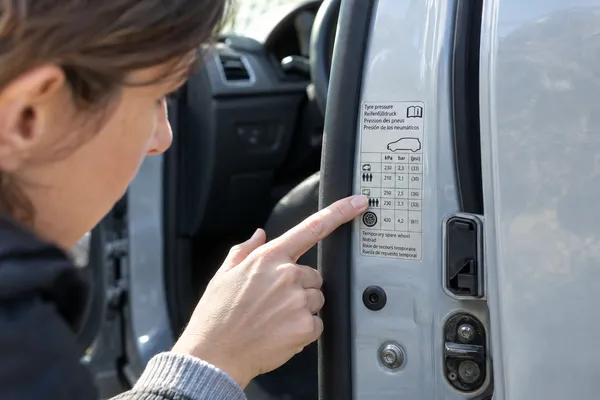
Front and rear pressure recommendations can differ. After an approved rotation, set each tyre for its new position and the vehicle’s actual load. Follow any required pressure-monitoring relearn or calibration procedure. A display that labels the wrong corner can make a later pressure problem confusing, even though the mechanical work appears to have been completed successfully.
Keep a note of the mileage and new positions so the next inspection has a useful reference. If one tyre has worn much faster or in an unusual pattern, ask whether alignment, pressure history or a mechanical issue needs investigating. Rotation can distribute ordinary wear; it should not become a way of postponing the diagnosis of abnormal wear until all four tyres show the same problem.