Separate the sensation from its cause
Drivers use 'hesitation' for several experiences: a pause before the car responds, a brief stumble from the engine or a change in drive that feels like a missed beat. Describe which of those you felt without deciding immediately that it must be the gearbox or a fuel component. The sensation is the starting point; the cause requires investigation.
Note whether it happened while moving away, gently increasing speed or joining a faster road during normal driving. Was the engine already warm? Did the engine sound change while road speed remained almost the same? Did a warning appear? These details help an appointment more than a statement that the car feels slow, especially if the symptom is intermittent.
Do not turn the road into a test facility
Repeated full-throttle acceleration is not a sensible owner check. It increases the consequences if the car loses drive, misfires or responds unpredictably. Do not recreate the event while overtaking, on a steep climb or where another vehicle depends on your acceleration. If the lack of response compromises control or safe progress, stop somewhere safe and arrange assistance.
Some vehicles change response with drive mode, temperature or normal transmission operation. The handbook can explain expected behaviour, but a new pronounced change still deserves attention. Record the mode selected and whether the behaviour differs from the car's usual response in comparable conditions. Avoid changing multiple settings at once and then trying to infer which one explains the problem.
Bring a clean description to the workshop
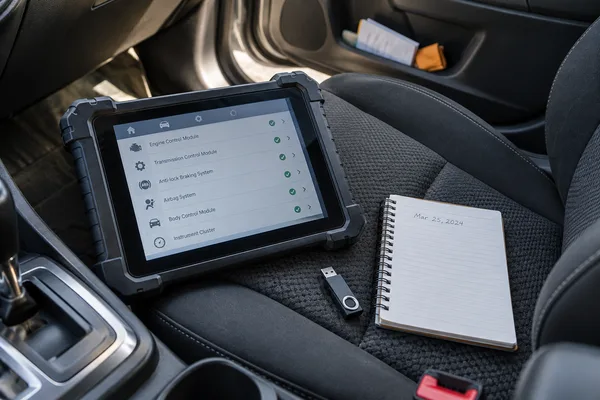
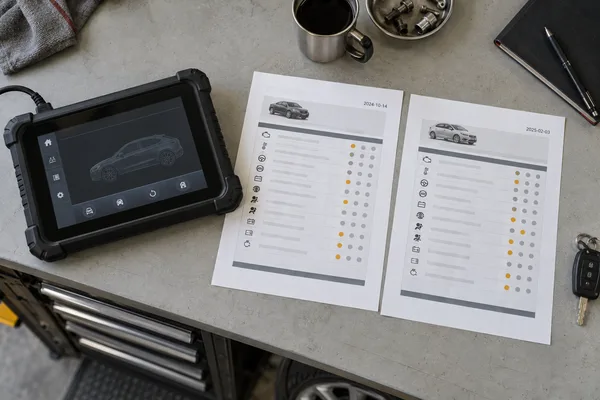
Write one short example with the approximate conditions and duration. Include recent work, any scan report and whether restarting the vehicle changed the behaviour. Do not erase codes or disconnect components in preparation for the visit. Those actions can remove useful evidence or introduce additional faults that make a straightforward complaint harder to follow.
Ask how the workshop will distinguish an engine-response issue from transmission behaviour or another cause. It may need a controlled road assessment, recorded data or checks that depend on the exact model. After any repair, the relevant question is whether the original complaint was verified under suitable conditions. A smooth stationary engine alone does not necessarily explain a hesitation that occurred while moving.