Start by identifying the system
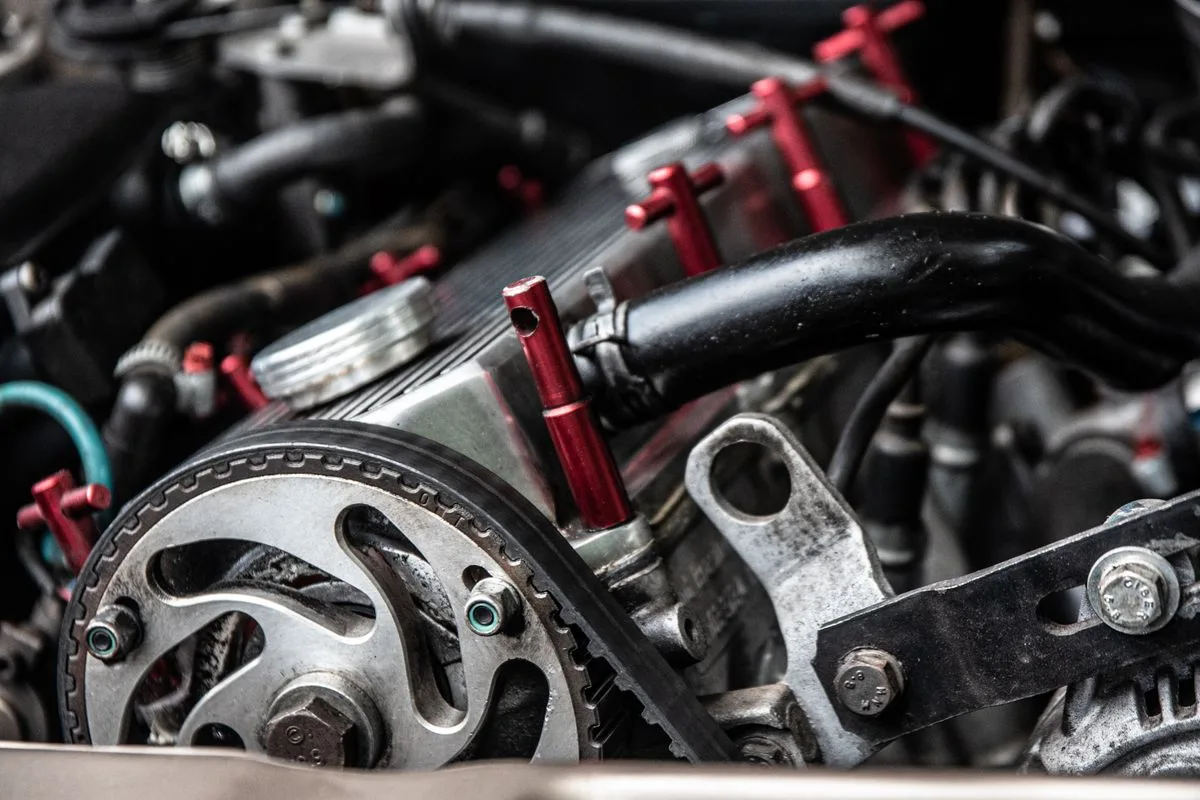
Not every engine uses the same timing arrangement. Some have a belt, some a chain, and some belt systems have particular operating and maintenance requirements. Identify the exact engine before applying a replacement interval found for the model name alone. A car sold with several engine choices can have very different schedules under the same badge.
The visible auxiliary belt is not automatically the timing belt. An invoice for a drive belt may refer to accessories rather than the components controlling engine timing. Read the description and part references, then ask the workshop if the wording is unclear. Do not remove covers to settle the question yourself; this article concerns records, not a mechanical timing inspection.
What a useful invoice contains
Look for the vehicle identity, completion date, mileage and a clear description of the work. Depending on the application, related components may have been included, but do not assume that a water pump or tensioner was changed merely because somebody says a complete job was done. Ask what the invoice actually documents and what the manufacturer’s procedure required. Match the registration or vehicle identification number on the invoice to this car; paperwork for another car of the same model does not establish its maintenance history.
A sticker in the engine bay can help locate a date or a previous garage, yet it is weaker evidence than a traceable invoice. Contact the named workshop or ask for the digital service entry when available. If the history remains uncertain, discuss a sensible plan with a qualified repairer. A reassuring visual appearance does not establish the age of every component or guarantee the remaining service life.
Work from the applicable interval
Compare the verified replacement record with the current schedule for that engine, including any time limit and relevant manufacturer updates. Do not rely on a generic interval shared on a forum or transfer a figure from a different engine. The consequences of a timing-system failure can be serious, so uncertainty should be addressed before an important trip rather than hidden in the paperwork.
After replacement, keep the detailed invoice and write down the next applicable date and mileage. If buying the car, resolve the evidence before agreeing on a maintenance budget. A clear record helps the next owner too: it turns an expensive, invisible piece of work into something that can be understood without guessing.