Start with how the engine is behaving
P0300 is commonly associated with random or multiple-cylinder misfire detection. Seeing it on a reader can explain why the engine felt uneven, but it does not identify one universal repair. Ignition, fuel delivery, air measurement and mechanical conditions can lead an investigation in different directions. The engine design and accompanying evidence determine what deserves testing first.
If the engine is shaking strongly, power is badly reduced or a warning is flashing, stop when safe and follow the handbook's instructions. Do not continue a long journey to see whether the code disappears. A misfiring engine can create further problems, and a short internet description cannot assess the severity of the vehicle in front of you.
Preserve the pattern
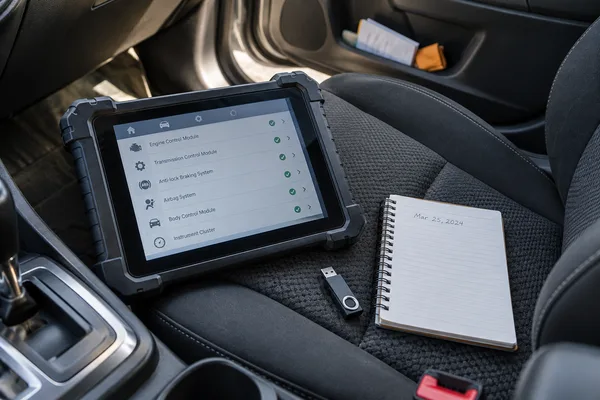
Save the whole scan, not just P0300. Other entries and any available event data may change the diagnostic picture. Note whether the roughness appeared only at the first cold start, after warming up or during ordinary acceleration. Include recent work and any unusual event before the symptom began, without assuming that the last person to touch the car caused it.
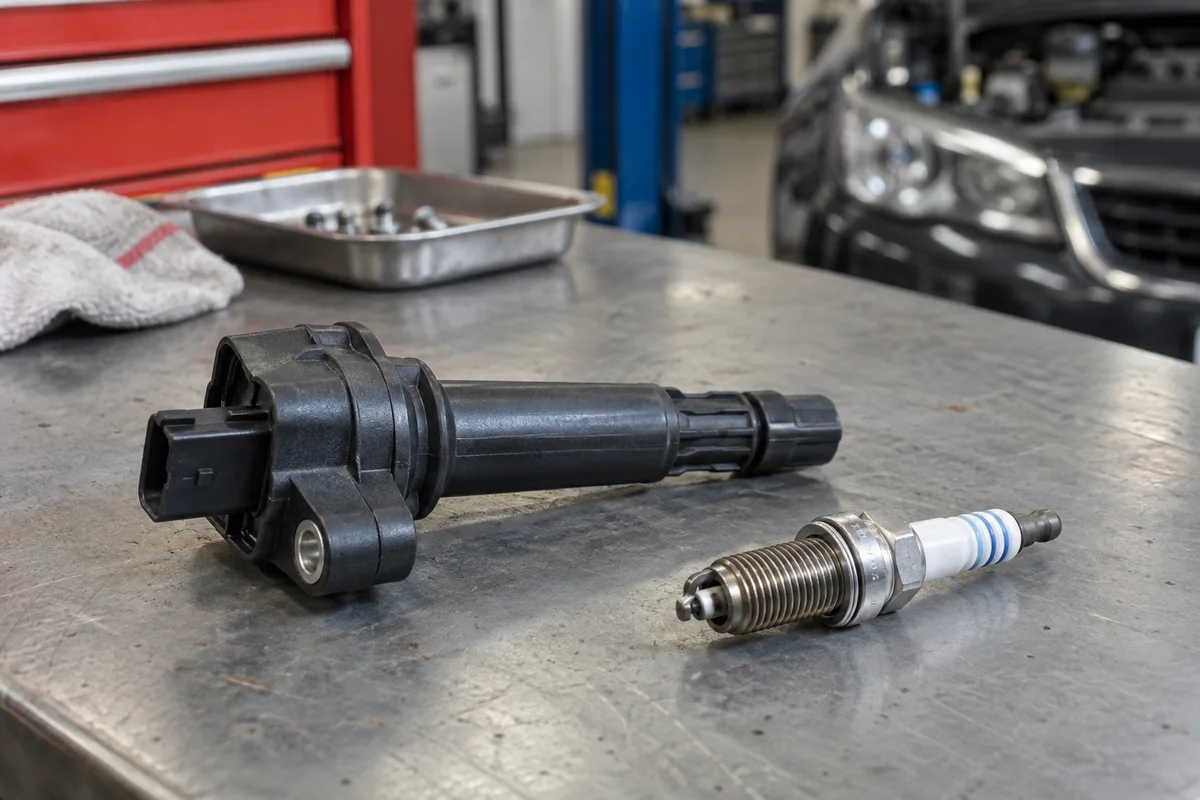
Avoid replacing a set of parts because a forum post describes a similar engine. Similar sensations can have different causes, and changing several things at once makes the original problem harder to trace. An owner's useful contribution is a clear timeline and untouched evidence. Testing ignition circuits, pressurised fuel systems or internal engine condition belongs with suitably equipped professionals.
Ask how the diagnosis will be confirmed
A workshop should be able to explain which observations support its proposed repair and which possibilities remain. If it recommends a component, ask what test linked that component to the misfire. The answer may involve model-specific data or physical checks that an inexpensive reader cannot provide. A code description alone is not the same as that chain of evidence.
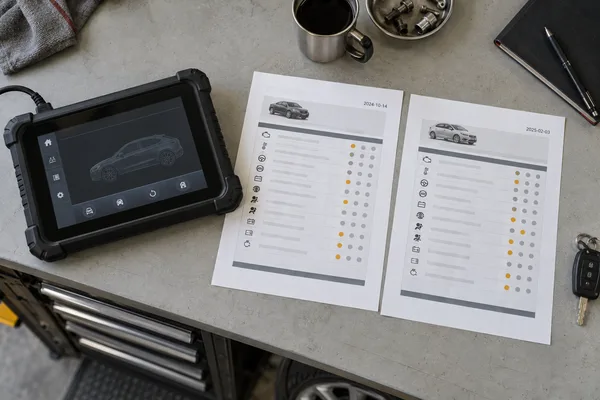
After work, ask how the original complaint was checked and keep the report. A smooth few seconds at idle may not reproduce a fault that happened only after a warm journey. Verification should suit the conditions that mattered, without asking you to perform risky experiments. If the symptom returns, record when it happened and contact the workshop rather than repeatedly clearing the memory.