The timing is a clue, not an explanation
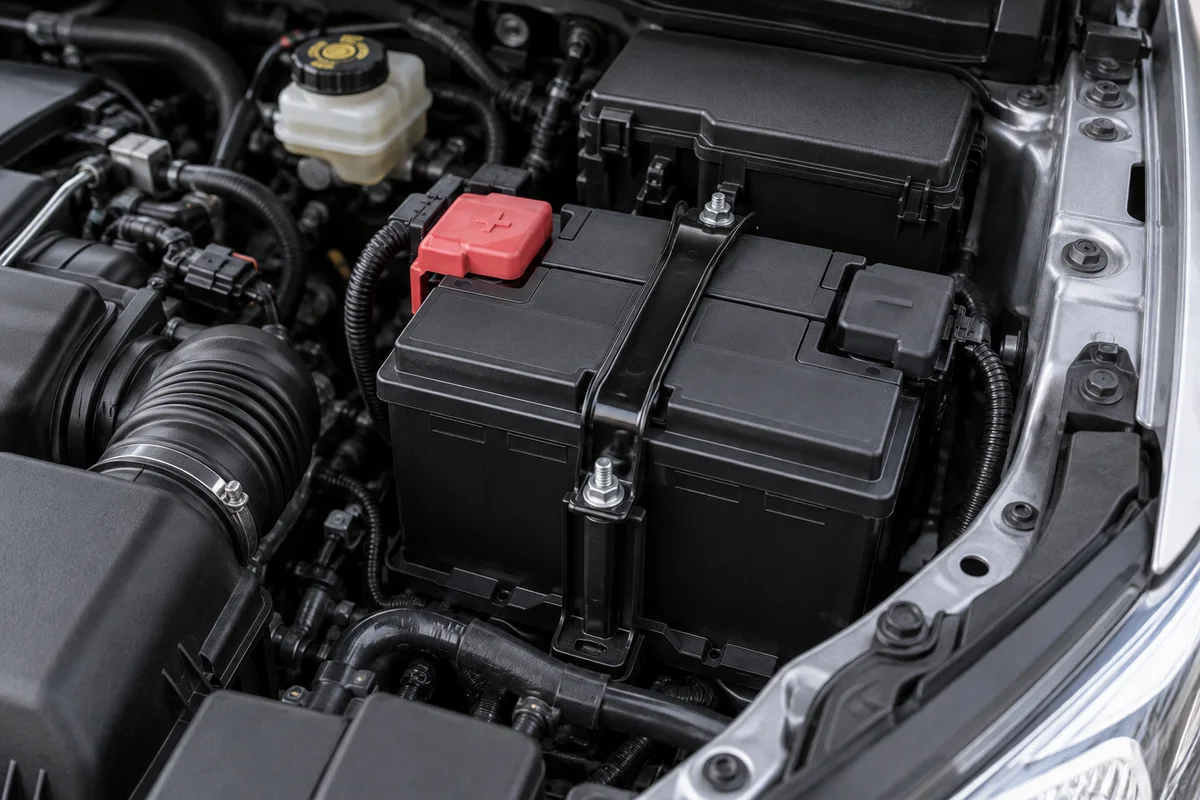
A warning appearing immediately after a battery replacement naturally raises suspicion about the work. That is a useful starting point, but it does not show whether the issue is an expected relearn, an installation problem or an unrelated fault. Keep the receipt and note the exact time the display changed.
Check what the handbook says about interrupted power and the systems affected. Window, clock or other convenience settings may have a reset procedure; braking and steering warnings deserve their own instructions. Do not borrow a steering-wheel-turning ritual from a different vehicle and assume it proves the car is safe.
Go back with specific information
Tell the installer which warnings were absent before the work and which remain now. Mention whether the battery technology and specification were changed, and ask whether any required registration or setup was completed. Not all vehicles need the same procedure, so the answer should be tied to this model.
If the car starts slowly, electrical equipment behaves erratically or a charging lamp remains on, report those observations as well. A new battery does not exclude a loose connection, unsuitable specification or a charging problem that caused the earlier battery complaint.
Ask the installer to verify that the quoted battery and the fitted label agree. This is particularly useful where the same model can have more than one battery technology. Keep the invoice photograph and the vehicle details together; it allows a later technician to check the application without relying on a verbal description.
Do not undo the installation as a reset
Disconnecting the battery again may erase useful context or create further setup work. It is not a reliable way to distinguish a learned-state problem from a real fault. Leave unfamiliar battery sensors and wiring intact, and never touch high-voltage equipment on an electrified vehicle.
A red stop instruction, abnormal braking or unpredictable steering is a reason to stop and arrange help. Do not drive a prescribed number of kilometres merely because someone says all warning lights clear after a battery change. The vehicle’s actual instructions and behaviour take precedence.
Close the loop
Ask the installer to explain which settings were restored and which faults were investigated. Keep that explanation with the battery details. If a warning returns days later, the previous work can then be described accurately instead of starting the conversation from a vague memory of many lights.