Watch the sequence when nothing is wrong
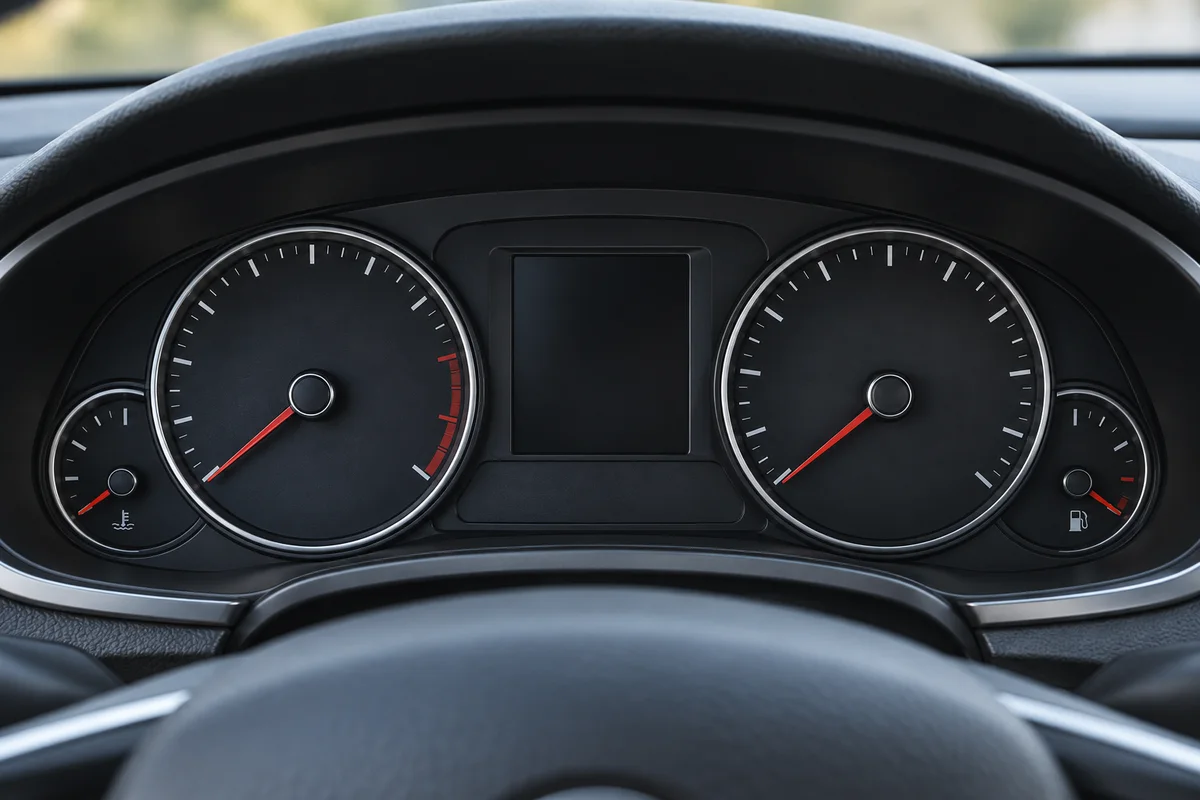
A quiet moment in a parked car is a useful time to learn its normal startup display. Many warning lamps illuminate briefly when the ignition is switched on so the system can check them. Some go out before starting; others extinguish once the engine is running or the car begins moving, depending on the vehicle.
Learn that pattern from the handbook rather than memorising another car’s dashboard. A hybrid’s ready state may not include engine noise, and modern displays can change with software or equipment. The relevant comparison is the same vehicle under its normal stated conditions.
A phone recording of the normal sequence, made when the car is healthy, can be a useful private reference. Keep it short and capture the whole display. It should support the handbook comparison, not replace it, since a light that was missing in the original recording would otherwise become an unnoticed part of your baseline.
A lamp that remains needs its own meaning
The fact that a light participated in the startup check does not explain why it stays on afterwards. Read its specific instruction. A parking-brake reminder may have a simple status explanation, while an oil-pressure lamp with the engine running calls for a very different response.
If the engine failed to start, some lamps may remain because it is still stopped. Tell assistance whether the engine actually ran, not merely whether the dashboard lit up. That detail avoids confusing a no-start problem with several apparent running faults.
A missing lamp can matter too
If the manual says a safety-related indicator should illuminate during the check and it never does, arrange an assessment. Do not assume the system is healthy solely because you never see its warning. On a used car, unexplained alterations to the cluster or warning behaviour deserve particular attention.
There is no need to dismantle the instrument panel to investigate. Record the sequence with a phone only while parked, and share the clip with a technician. Avoid trying hidden menus or coding changes merely to make the display match a video found online.
Keep the observation simple
Write down the ignition state, whether the engine was running and how long the unusual indication lasted. Include any text message. Those four details are usually more useful than a description that the dashboard looked strange, and they make it easier to compare the event with the manufacturer’s actual instructions.