Begin with the vehicle, not the shelf
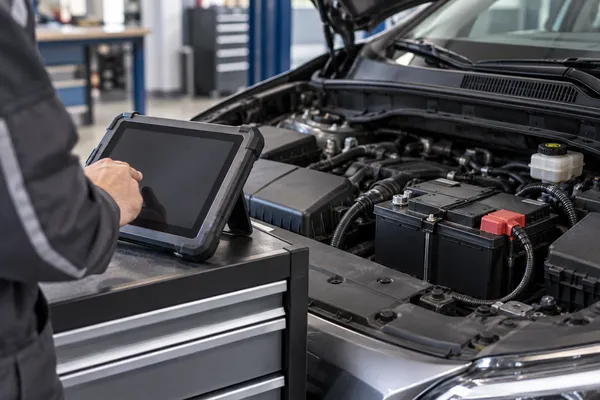
Use the exact model, engine, year and equipment to identify the approved replacement. A registration-based lookup can help, but confirm the application when variants exist. The currently fitted battery is useful evidence, not an absolute guarantee that a previous owner installed the correct one.
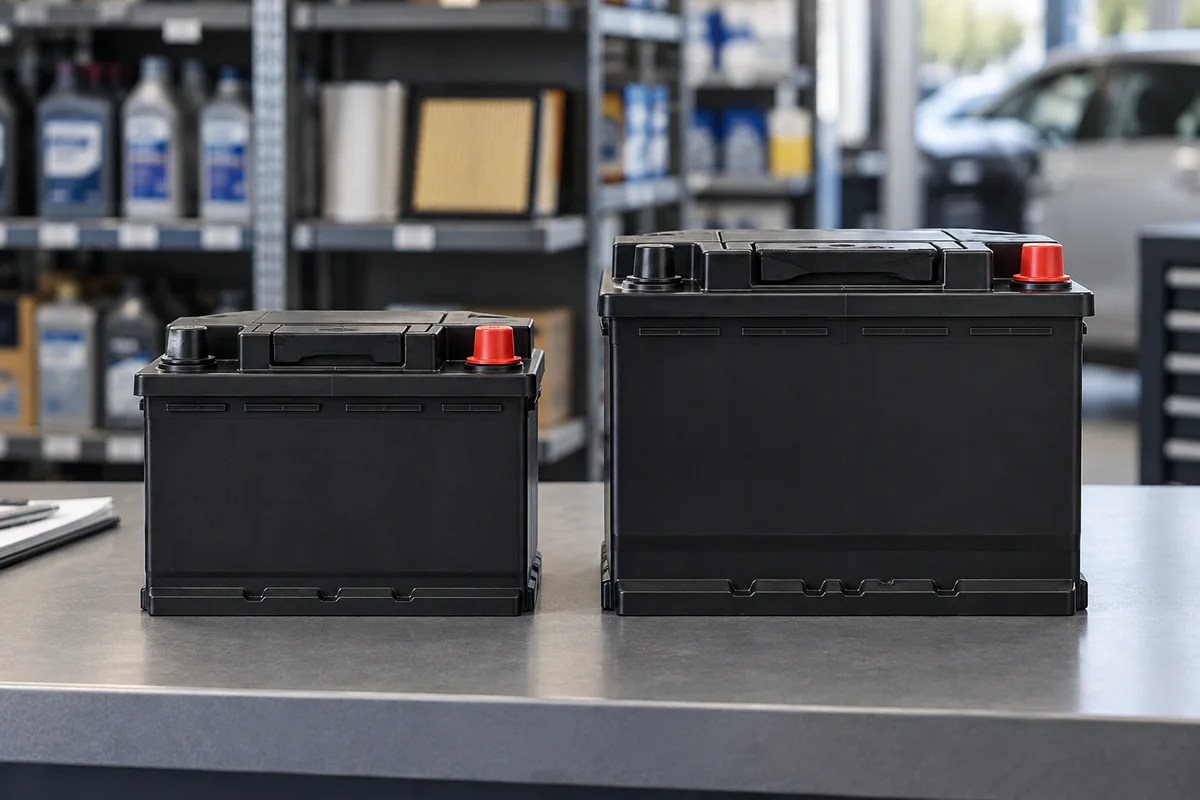
Physical fit includes case size, terminal orientation, secure mounting and any required vent arrangement. A battery that almost fits or needs a cable stretched to reach a terminal is not a sensible substitute. Do not adapt the tray or omit the retaining hardware to use a convenient bargain.
Technology is part of compatibility
Vehicles with demanding stop-start or energy-management systems may require AGM or EFB technology rather than a conventional starter battery. Follow the manufacturer’s specification and approved replacement guidance. A familiar brand name or a high advertised rating does not make an unsuitable technology appropriate.
Do not downgrade an AGM application to a conventional flooded battery merely because the terminals and dimensions match. If an upgrade is proposed, ask whether it is approved for the specific vehicle and whether any setting must change. Compatibility should be demonstrated rather than assumed from the price.
Read ratings in their proper context
Capacity and cold-cranking ratings describe different characteristics. Compare like with like and use the testing standard shown with a rating; figures from different standards may not be directly comparable. The goal is the specified suitable battery, not simply the largest number printed on a label.
Ask the supplier to put the chosen specification on the invoice. That makes later warranty or diagnosis discussions more straightforward. It also helps distinguish an unsuitable selection from a correct battery that subsequently became undercharged because of use or another fault.
Include installation and setup in the quote
Some vehicles require battery registration, coding or a prescribed reset after replacement. Others use different management arrangements. Ask what this vehicle needs and whether the quoted fitting service includes it, rather than discovering a separate requirement after the new battery is installed.
The installer should also consider the original complaint. If the old battery repeatedly went flat, replacement without a charging or parked-drain assessment may leave the cause untouched. A test result and a clear explanation are worth more than a quick swap justified only by age.
Keep the end of the job complete
Confirm that the battery is secured, required settings are restored and normal starting is verified. Arrange proper recycling of the old battery through the supplier or an authorised collection route. Keep the receipt, date, mileage and specification together so the next assessment starts with reliable facts.