Do not wait for it to settle
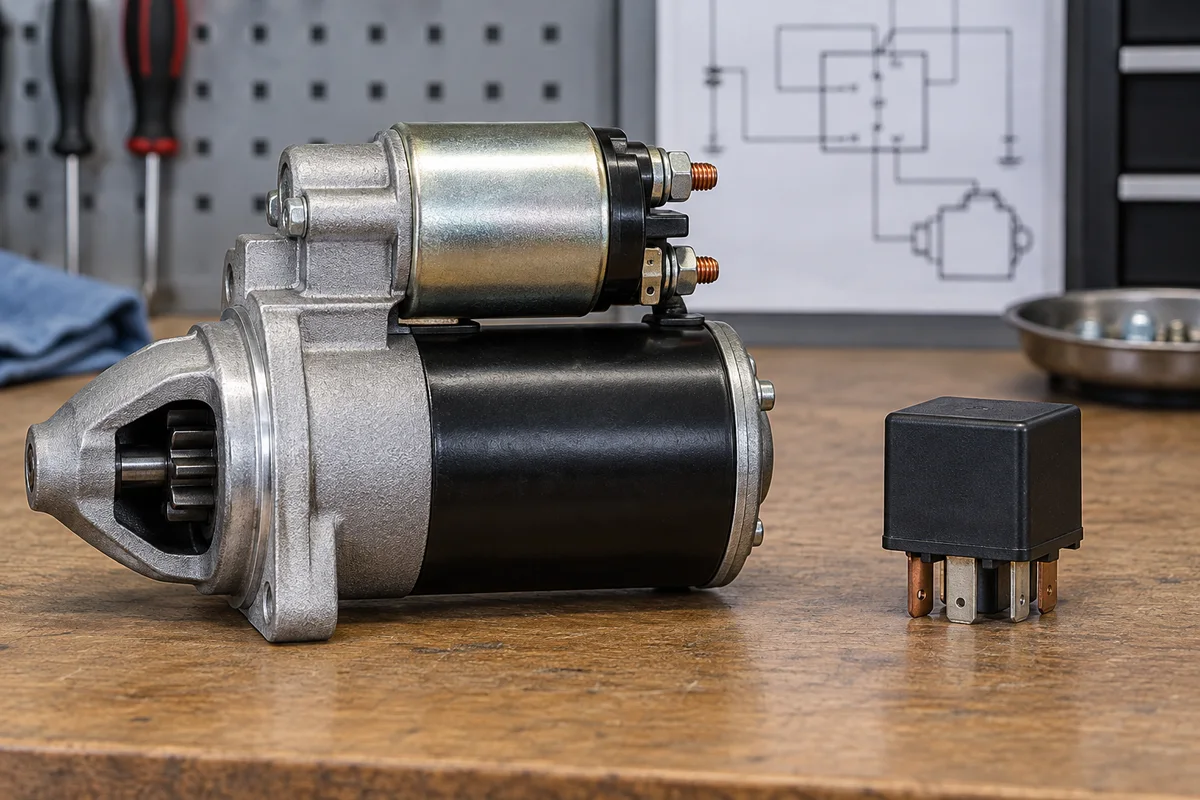
The engine begins running, but a sharp whine or mechanical starting sound continues. If you suspect the starter has remained engaged, switch the engine off using the normal controls while the vehicle is safely stationary. Do not leave it running to see whether the sound eventually stops. Continued operation can damage components and create heat.
If the sound persists after shutdown, keep clear and contact assistance. Do not lean into the engine bay, pull live cables or try to knock a component free. Smoke, a burning smell or signs of fire call for distance and appropriate emergency help. The first task is ending an unsafe situation, not proving which switch or relay is responsible.
Describe the sequence without repeating it
Write down whether the noise began before or after the engine caught, and whether it changed when you released the key or button. Mention whether the control returned normally. A vehicle with automatic cranking may continue a normal starting request after a brief press, but that is not permission to ignore an abnormal noise after the engine is running.
There are other sounds around a recently stopped car, including fans and pumps that may operate normally. Do not assume every continuing sound is the starter. Equally, do not dismiss a new harsh noise as a normal fan merely because it comes from the engine bay. Your handbook and a professional assessment are more useful than an audio clip from an unrelated model.
What to take into the repair conversation
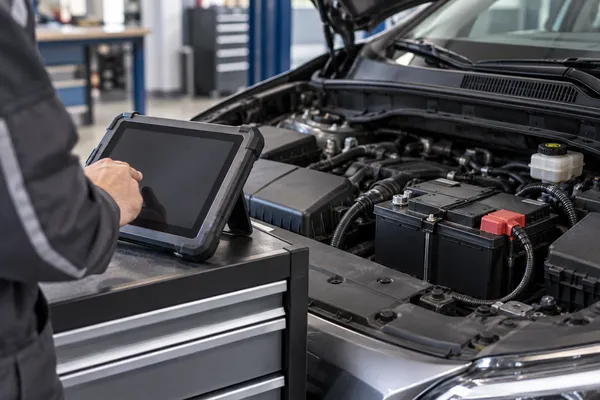
Tell the workshop about recent battery, starter or ignition work, and give the sequence rather than a suggested parts list. If a diagnostic report already exists, preserve it. Ask how the proposed checks will separate a control problem from a mechanical engagement problem. These possibilities can lead to different repairs, even when the driver's description sounds similar.
A fault that disappears on a later attempt still deserves investigation. Do not build confidence by repeatedly restarting until it behaves normally. Arrange transport or recovery if advised, and ask what has been checked before accepting the car back. The useful result is an explanation of the original behaviour and confirmation of normal operation after repair, rather than simply being told that it started successfully once in the workshop.