Look for a difference, not a diagnosis
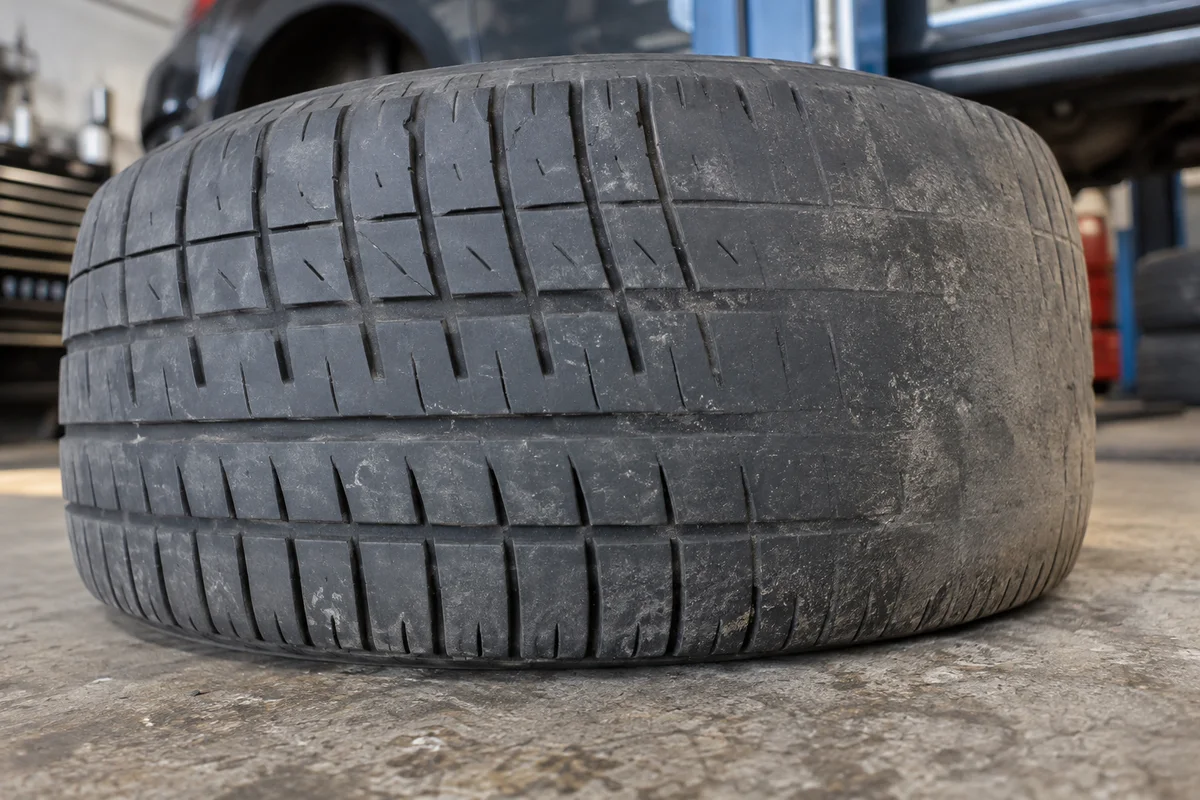
Uneven wear can appear across the width, around the circumference or between tyres on the same car. During a safe inspection, note where the difference is and photograph it with the wheel position identified. Compare tread measurements at accessible points. Do not run bare hands over damaged rubber, where exposed material or an embedded object could cause an injury.
Common diagrams can help you describe a pattern, but they cannot reliably diagnose your vehicle from a photograph. Pressure history, alignment, suspension condition and use may all be relevant. More than one factor can be involved. Avoid deciding that a worn shoulder proves one particular adjustment is wrong, then ordering that adjustment without having the tyre and related components examined.
Gather the history that the rubber cannot provide
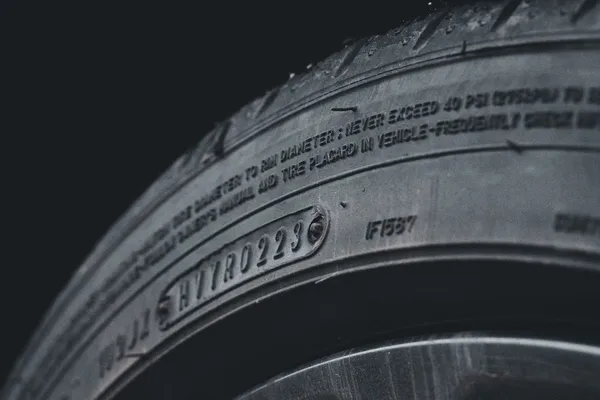
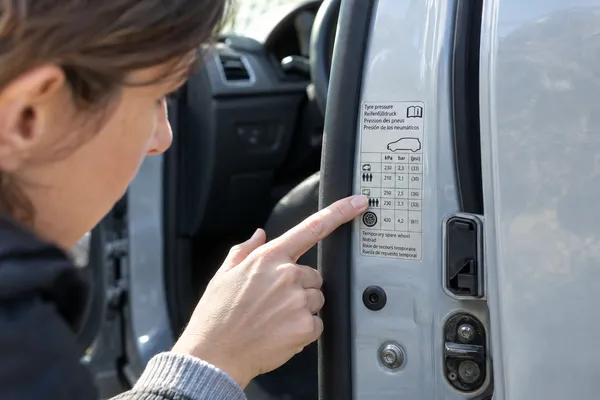
Check whether the pressures have been maintained at the vehicle’s recommended settings for its load. Note recent wheel changes, impacts, repairs or a change in driving use. Tell the workshop if the steering wheel position changed or a vibration appeared. These details give the wear pattern a timeline, which is often more useful than trying to attach a technical name to every mark.
Include the age and mileage of the tyres if known. A newly fitted tyre developing a pattern quickly deserves a different conversation from gradual wear across an old set. If the car was bought recently, say that the earlier history is unknown rather than guessing. Previous rotation can also move a worn tyre away from the corner where the problem originally developed.
Link replacement to the cause
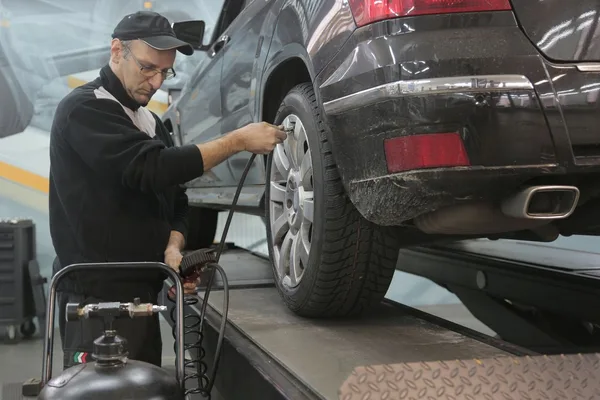
Ask the workshop whether any tyre is already unsuitable for continued use and what inspection is needed before fitting replacements. Correcting pressure will not restore missing tread, and moving a damaged tyre to another corner will not repair it. Where a mechanical issue is found, understand whether it must be repaired before alignment can be set properly and new tyres protected.
Keep the findings and initial measurements for the new set. Check again at sensible intervals recommended for the vehicle and use, rather than waiting until the same visible pattern becomes severe. A successful repair should leave a clear explanation of what was found and what was done. The aim is not simply a fresh-looking tread, but a car that no longer repeats the avoidable wear pattern.