Start with the inspection finding
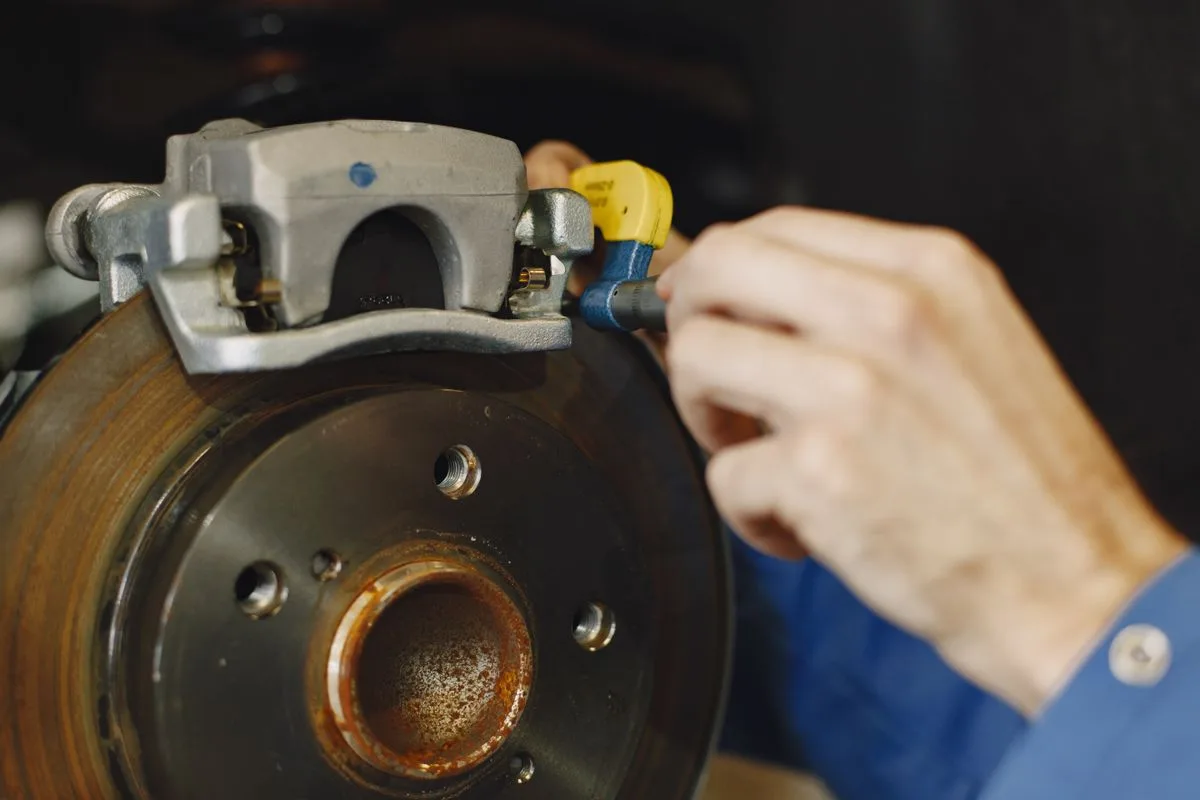
Ask why each component is being recommended for replacement. For discs, measured thickness and the relevant minimum specification may be part of the explanation, alongside damage, corrosion or other condition findings. Pads also need assessment beyond the easiest visible edge. A photograph can help illustrate a concern, but it is not a substitute for the measurements and inspection appropriate to the vehicle.
Clarify whether the quote covers the front axle, rear axle or both. Braking components are generally serviced in appropriate axle sets according to the vehicle and component instructions, so a price for one disc is not directly comparable with a complete axle job. Ask the workshop to explain the required scope rather than choosing an incomplete repair because its initial number looks lower.
Compare like with like
Check the specified parts, labour, applicable hardware and any related work included in each quote. Some cars require wear sensors or particular fitting components; others do not. An electronic parking brake may involve a specific workshop procedure. The important point is not to demand every possible item, but to understand which items your vehicle and the proposed repair actually require.
If pads alone are proposed, ask how the existing discs were judged suitable to remain. If discs and pads are proposed together, ask what finding makes the disc replacement necessary. Neither a fixed rule that discs always need replacing nor a promise that they never do is a useful substitute for inspection. The condition and applicable specifications should connect the recommendation to this particular car.
Keep additional findings separate
A sticking caliper, damaged hose or another fault can change the job. Ask the workshop to contact you with findings and a revised price before additional non-authorised work, while making clear that unresolved safety issues must be explained. Do not pressure the technician to omit necessary repairs simply to preserve the first estimate. A clear scope protects both the budget and the quality of the decision.
Before collection, ask what checks were completed and what manufacturer-appropriate instructions apply to the new components. Avoid inventing your own aggressive bedding-in routine. Keep the invoice with the parts specification and report unusual noise, vibration or pedal changes promptly. A good quote is useful after payment too: it leaves a readable record of what was found, what was replaced and why the vehicle was returned to service.