List what is physically present
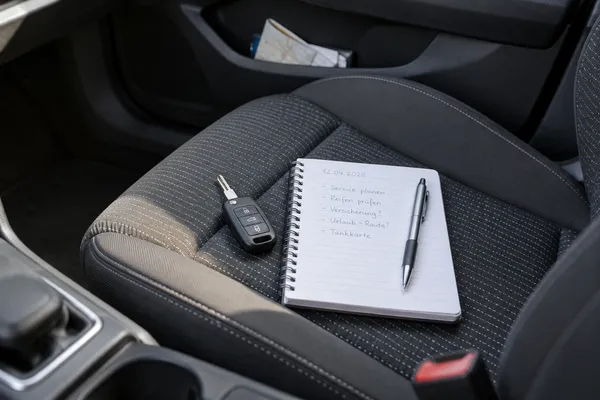
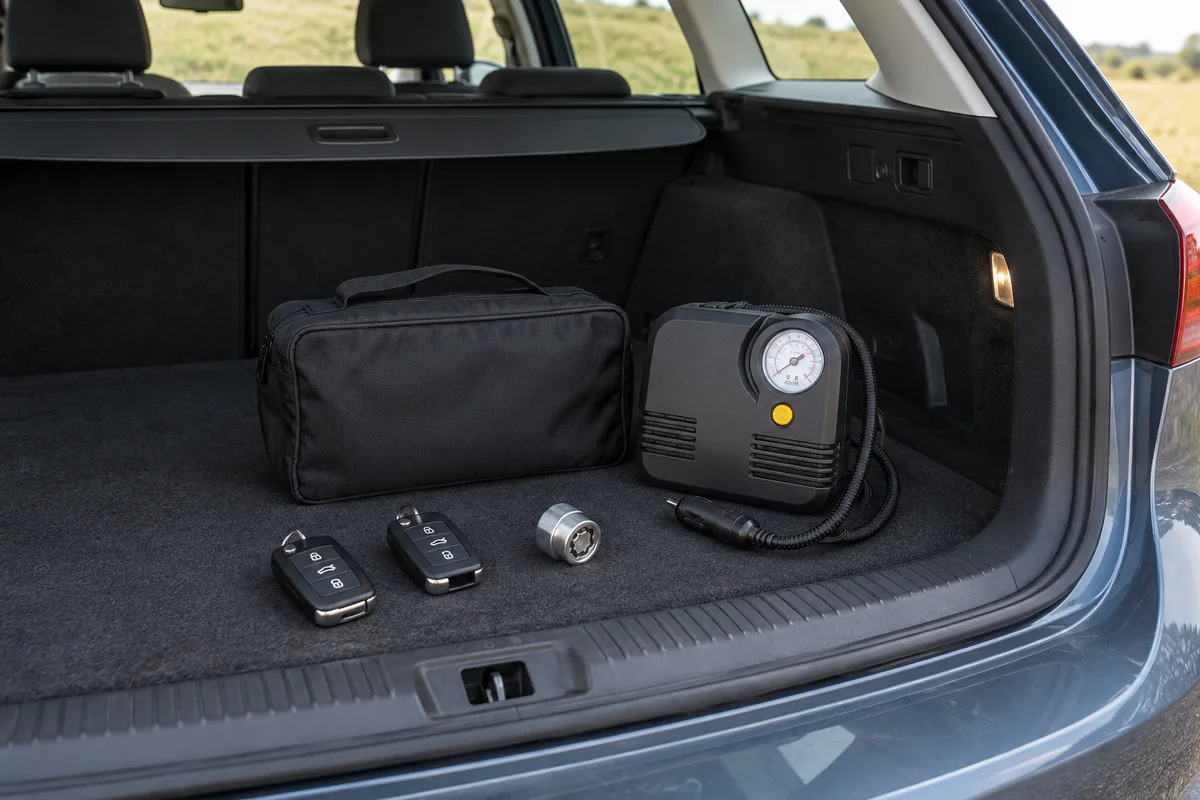
Ask how many keys are included and see them rather than relying on a phrase such as 'spare available'. With permission, confirm their ordinary locking and starting functions according to the vehicle's instructions. A shell, emergency blade and electronic key are not necessarily interchangeable. Do not assume that a key which opens a door has demonstrated every function needed for daily use.
If a key is missing or does not work, ask an appropriate supplier about the actual replacement and programming requirements for this model before estimating the inconvenience. Procedures vary, and some involve security verification. Avoid universal online promises about copying a key cheaply. The relevant point at the viewing is what will be handed over and what remains unresolved.
Check the equipment intended for this car
Look at the handbook's description of the supplied breakdown equipment. Some cars have a spare wheel, others an inflator and sealant system, and some have another arrangement. Do not mark a vehicle incomplete simply because it lacks equipment it was not designed to carry. Instead, establish the intended setup and whether the necessary parts are present and usable.
Where applicable, check for the locking-wheel fastener adapter, towing eye and ordinary tool-kit items without attempting a roadside repair during the viewing. If a sealant kit is supplied, review its condition and any printed expiry information. A neat case does not prove its contents are complete. Keep these observations separate from a full assessment of tyres or recovery suitability.
Include model-specific accessories
For a plug-in vehicle, clarify which charging cables or adapters belong to the sale and whether they are appropriate for your intended use. Do not assume an accessory seen in a photograph is included. Check visible condition without opening electrical equipment or using damaged leads. Missing or questionable charging equipment deserves suitable advice, not an improvised connection to make the viewing work.
Record promised replacements and check them at collection. Keep manuals and relevant equipment instructions with the car, while ensuring previous owners' personal information is handled appropriately. This inventory is a modest task, but it prevents a surprisingly common kind of confusion: a vehicle delivered successfully while the key or tool needed for an ordinary situation is still somewhere in the seller's garage.
Keep small accessories together in their intended storage locations after checking them. A locking adapter shown during the viewing is little help if it is not present at handover. Compare the final inventory with your notes before leaving with the vehicle.