First distinguish an intended stop
Many cars deliberately stop the engine at a standstill as part of a stop-start system. The handbook describes the indications and restart behaviour for that model. An unexpected cut-out, failed restart or change from the vehicle's usual operation should not simply be dismissed as that feature. Note what the display showed and whether the restart happened normally.
If the engine stops unexpectedly in traffic, concentrate on maintaining control and reaching a safe situation. Assistance systems may behave differently when the engine is not running. Follow the vehicle's instructions and contact roadside assistance if safe operation is uncertain. Do not repeatedly enter busy traffic to find out whether the problem will happen at the next junction too.
Describe the moment before the stop
For the workshop, the useful sequence begins before the engine cuts out. Were you slowing down, already stationary or preparing to move away? Was the engine cold or fully warm? Did it stumble first or stop abruptly? Keep these as observations. A sudden stop and a gradual fall in engine speed can feel similar afterwards but lead to different questions.
On a manual car, explain the pedal and gear situation honestly without assuming driver error or dismissing it. On an automatic, note the selected position and whether the event happened only after a long period of slow traffic. Do not test unfamiliar selector positions in motion. A plain description of an ordinary occurrence is all that is needed from the owner.
Keep restart details with the original event
Record whether the car restarted immediately, needed a wait or did not restart at all. Include any warning or message that appeared before the stall, distinguishing it from lights that illuminated after the engine had stopped. A dashboard seen after a stall can otherwise produce a misleading account of what came first. Photograph messages only when safely stopped.
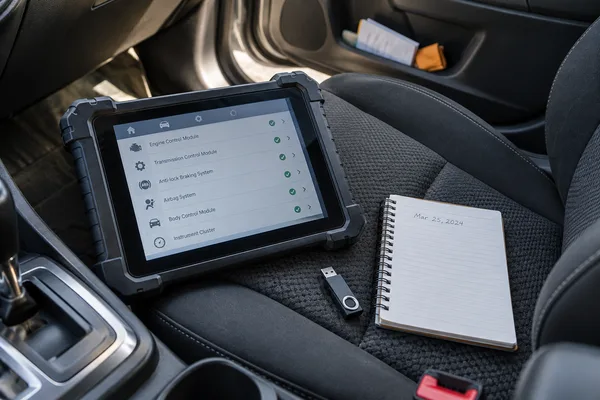
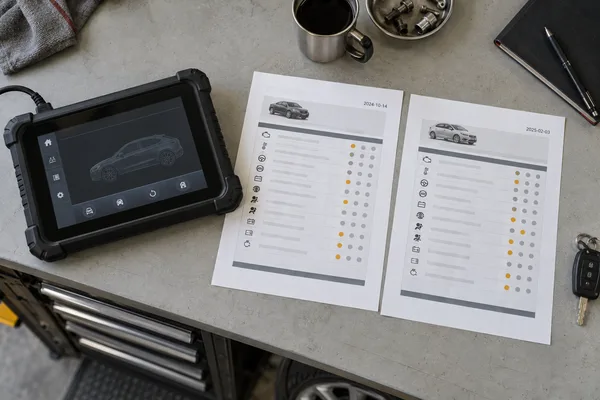
Bring recent repair details and any saved scan to the appointment. Ask whether the car should be recovered rather than driven there. The diagnosis may require information from several systems, so avoid ordering a part from a single code or clearing the memory before arrival. After repair, ask how the workshop assessed the original stop-and-restart complaint under suitable controlled conditions.