Describe the mismatch
On a manual car, an engine that gains speed without the expected increase in road speed can suggest clutch slip, but the circumstances still matter. Wheel slip and other drivetrain behaviour can produce a different kind of mismatch. Describe what you heard and felt, the selected gear if known and whether a warning or unusual smell accompanied it.
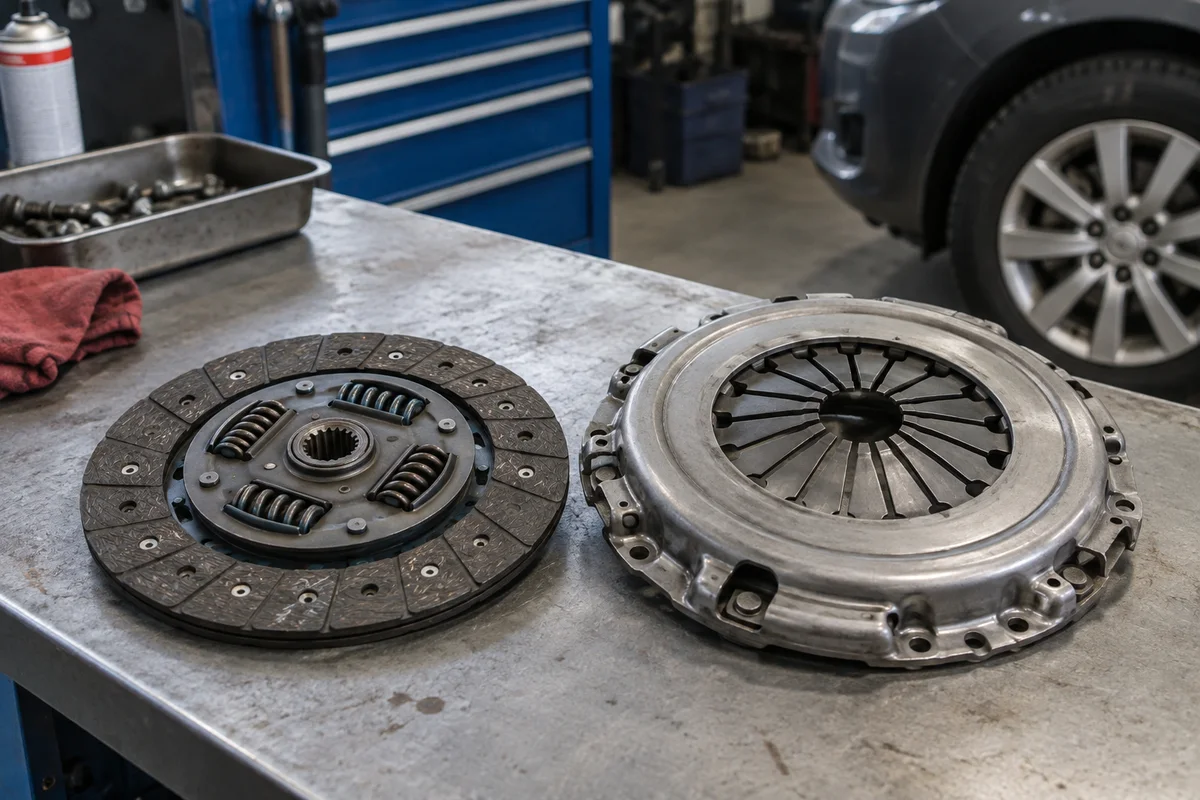
Do not assume that one sensation proves a complete clutch assembly needs replacement. The operating system and related components must be assessed as appropriate to the model. At the same time, do not dismiss repeated loss of drive because the car still moves on a gentle road. A problem that worsens under load can leave you without safe progress.
Skip the deliberate stall test
Online advice sometimes suggests applying a heavy load in a high gear to see whether the clutch can hold. That is not a useful owner experiment to repeat. It can create heat and further wear, and the car may move unexpectedly. Do not hold it on a slope with the clutch or use towing and hard acceleration to prove a suspected fault.
If you notice a burning smell, significant loss of drive or unreliable engagement, stop safely and seek advice about recovery. Let the workshop choose controlled checks. Record the ordinary event that revealed the problem: a normal acceleration, a hill already on the route or a change after recent work. There is no need to create a more dramatic example.
Ask what the inspection found
Useful questions concern the confirmed cause, the parts affected and why the proposed scope is appropriate. A quote may include associated items because access overlaps, but that should be explained rather than presented as an unexplained bundle. Ask which parts are required by the findings and which are being proposed on another basis. Keep the answer with the estimate.
After repair, follow any vehicle-specific guidance supplied by the workshop and judge the car during ordinary use. If the same mismatch returns, contact the repairer with the circumstances instead of repeating a stress test. The aim is dependable transfer of drive, not demonstrating how much abuse a new clutch can tolerate. A clear record helps distinguish recurrence from a different concern.