Read the combination
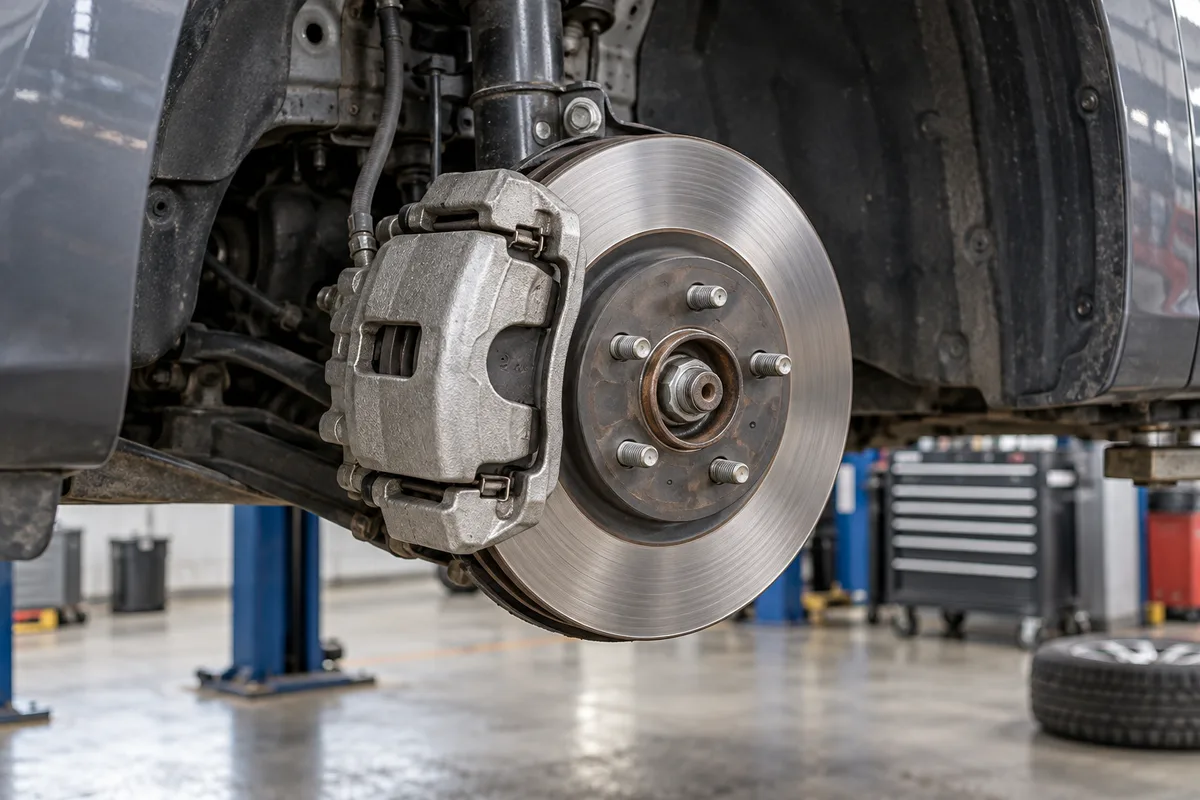
An amber ABS light and a red brake warning should not be reduced to a single familiar dashboard problem. On some vehicles the combination indicates a fault affecting brake-force distribution or other braking functions. The meaning and prescribed action depend on the model, so the handbook’s combined-warning instructions matter.
If the lights appear while driving, stop as safely as conditions allow and seek assistance. Do not assume that ordinary pedal feel makes a journey to the workshop acceptable. A warning about a system used during demanding braking may appear before the driver notices a change.
Do not separate the symptoms when reporting them
Tell the assistance operator that both lights are on, including their colours and any accompanying text. Mention whether the parking brake was already released and whether the pedal changed. A photograph taken while safely parked can prevent confusion between similar symbols.
Avoid cycling the ignition repeatedly merely to produce a cleaner dashboard. If a restart has already changed the display, report the original combination as well as the present one. The order in which warnings appeared can be useful context, but you do not need to reconstruct it by driving again.
The level check is not a repair
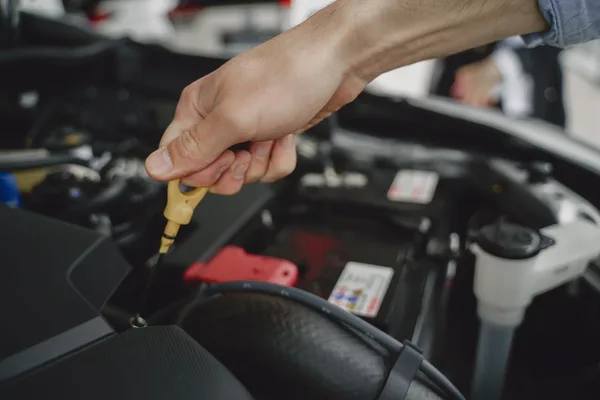
If the handbook permits a visual brake-fluid check, a low level is an additional reason not to drive. Do not open or top up the reservoir simply to extinguish the lamp. The system needs assessment for the reason behind the reading, including any leakage or wear-related issue.
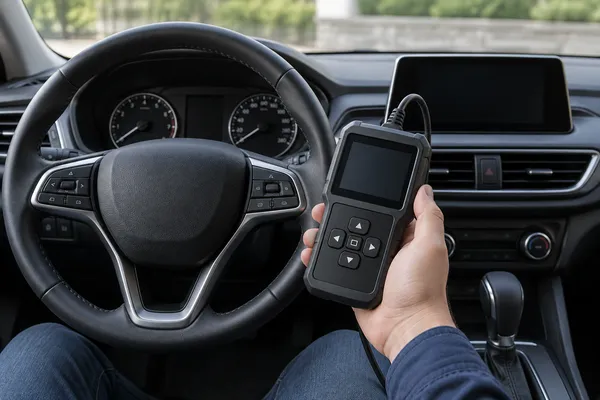
Likewise, discovering a recently weak battery does not prove that the braking warnings are harmless electrical leftovers. Low supply voltage may complicate diagnosis, but the brake system still needs to be shown to function correctly. Let the professional decide which checks establish that.
Arrange the journey around the fault
Recovery is preferable to turning a suspected braking fault into a road test. Ask for transport advice before moving the vehicle and keep passengers away from any roadside inspection. The inconvenience of a tow is easier to manage than an uncertain emergency stop.
Have the vehicle registration and exact model ready when calling; the operator may need those details to select suitable recovery equipment.