First rule out a misleading reading
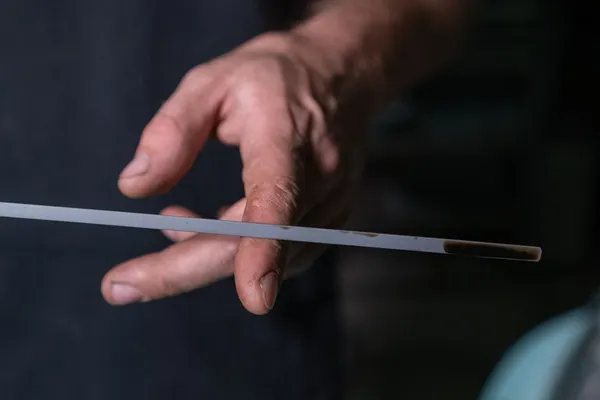
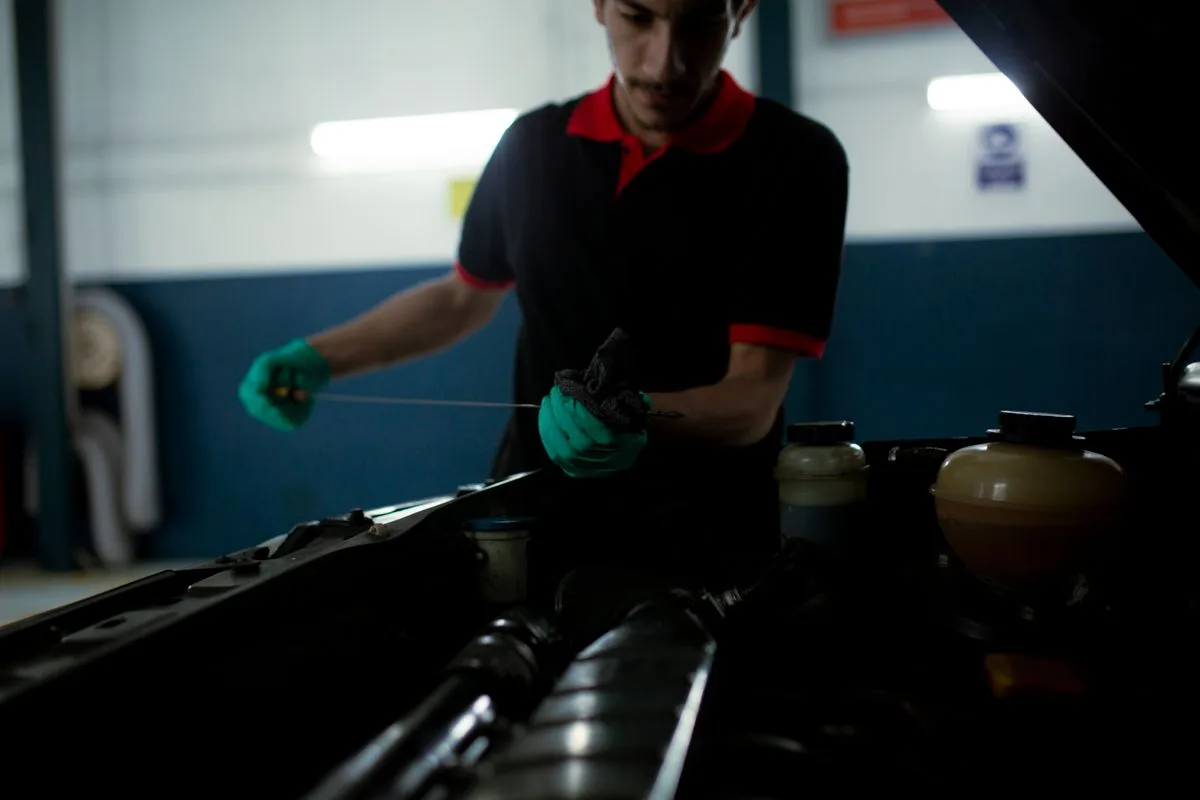
You check the dipstick after a service and find oil above the upper mark. Before concluding that the engine was overfilled, repeat the check exactly as the handbook specifies. The car should be level and the engine should have rested for the required period. Wipe and fully reinsert the dipstick. A smear dragged up the tube can look very different from a clear, repeatable wet boundary.
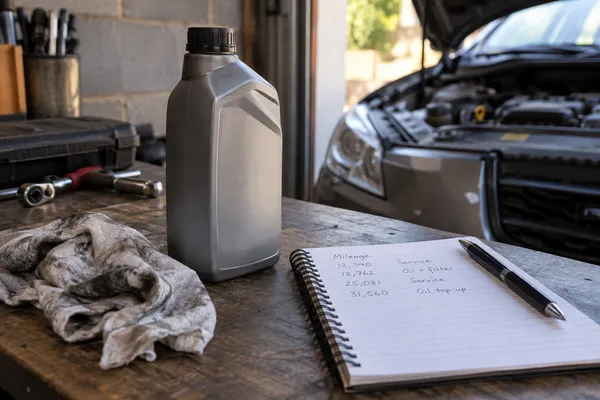
Do not try to improve the reading by parking on a slope or waiting an arbitrary extra day. Those changes make comparisons less useful. Record the conditions, take a clear photograph and note whether you recently added oil or collected the car from a workshop. An electronic display may have its own temperature and operating conditions, so a dipstick procedure cannot simply be substituted.
A confirmed excess needs a cause
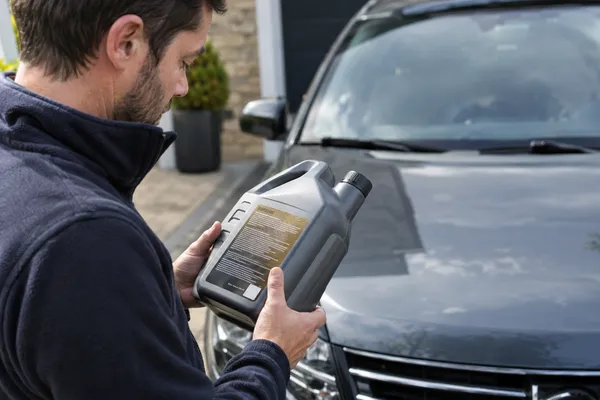
If the result remains above maximum, contact the servicing workshop or a qualified repairer before driving. Explain how the measurement was taken and how far above the mark it appears. The maximum exists for a reason; treating excess oil as a useful reserve misunderstands how the lubrication system works. Do not keep adding oil because an unrelated warning remains on the dashboard.
A rising level without recent topping-up is a different clue from a known accidental overfill. The workshop may need to investigate contamination or another engine-specific cause. You do not need to identify the substance yourself by smelling, tasting or handling it. Give the history instead: when the level last appeared normal, the journey pattern and any warning messages or changes in running.
Leave extraction to the right setting
Do not loosen a drain plug beside the road and hope to release a small, controllable amount. Hot oil, an unsupported vehicle and the possibility of losing the plug turn a measurement problem into something much harder to manage. Ask the workshop how the car should reach them; recovery may be appropriate depending on the amount and symptoms.
If an oil-pressure warning appears while driving, stop safely and switch off rather than continuing to investigate on the move. A full dipstick does not rule out low pressure. Once the cause is corrected, keep the work record and establish a fresh reading under normal checking conditions. That gives you a reliable starting point for future comparisons.