Warning lights
Oil pressure light: stop first, check second
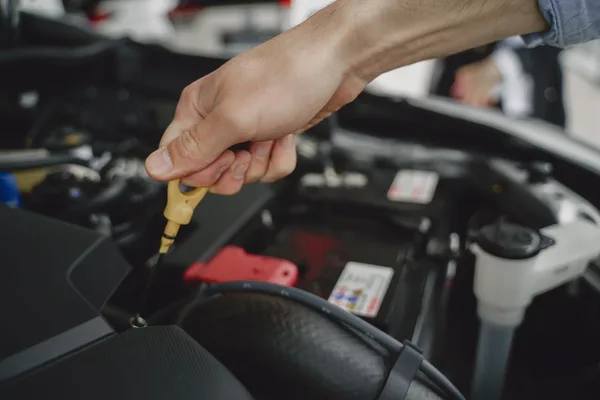
An oil-can symbol with the engine running calls for a safe stop. A normal dipstick reading does not rule out a pressure problem.
Read the guideA new noise. An unfamiliar light. A question before the garage. Start with a clear explanation—and a sensible next step.
Choose the part of car ownership that is on your mind. Each section starts with what you can observe.
Understand the signal before deciding what comes next.
33 guides02From a reluctant starter to the small things that stop working.
30 guides03Small, well-timed checks that help you know your car.
37 guides04Pay attention to what connects your car to the road.
26 guides05Put noises, fault codes and changing behaviour into context.
35 guides06Better questions, clearer estimates and a more informed inspection.
28 guidesAn oil-can symbol with the engine running calls for a safe stop. A normal dipstick reading does not rule out a pressure problem.
Read the guideFitting a battery and telling the car that it has been replaced can be two separate jobs. Find out what your model requires before judging the result.
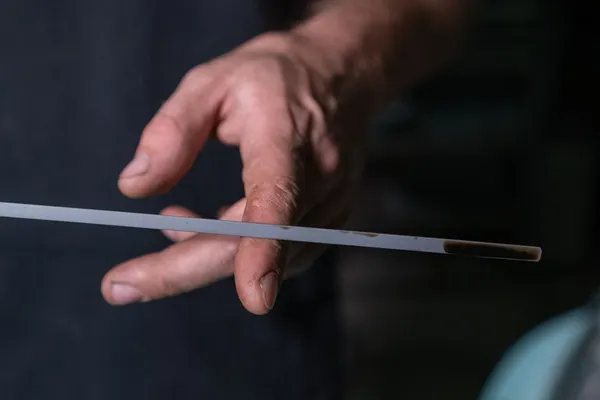
Read the guideA smeared dipstick can make a simple check surprisingly confusing. Consistent conditions matter more than a quick glance.
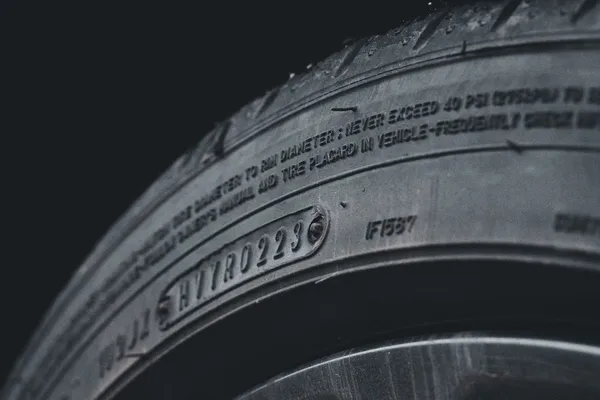
Read the guideA low-mileage car can wear its tyres out by age before it wears the grooves away. The sidewall tells part of that story.
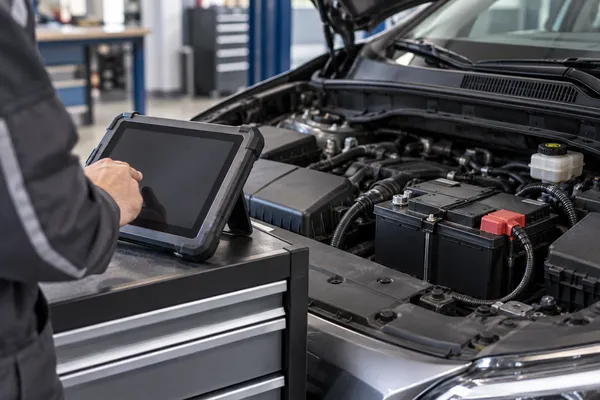
Read the guideA scanner gives the investigation a starting point. The missing step is finding out why the monitored system produced that result.
Read the guideBefore leaving the keys, make sure you and the workshop mean the same thing by a diagnostic check.
Read the guideA fault code is a clue. A noise has a context. And two cars can need different responses to a similar symptom. Our guides help you separate an observation from a diagnosis, so your next conversation is a better one.
How to use this site ↗