Look at the dashboard before setting off
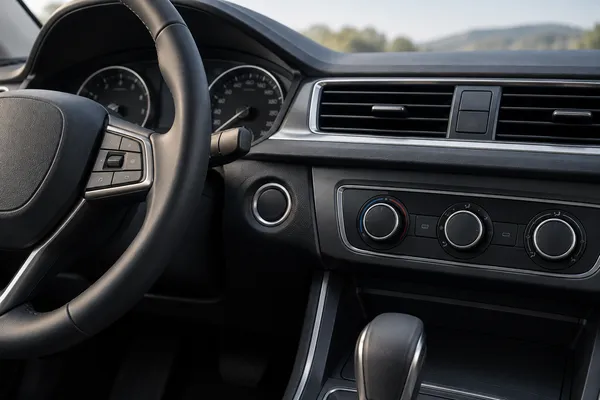
After an authorised jump-start, check whether the normal running warnings go out as expected. A charging lamp that remains on, unusual engine behaviour, smoke or an electrical smell changes the plan. Stop safely and obtain assistance rather than beginning a drive intended to recharge the battery.
Follow the handbook and equipment instructions for completing the procedure and removing connections. Do not hurry that stage because the engine is running. Equipment still attached or leads near moving parts remain a hazard until they have been dealt with correctly.
There is no guaranteed recovery drive
A short journey may not restore a deeply discharged battery, and there is no universal number of minutes that makes the next start dependable. The amount recovered depends on battery condition, charging behaviour, temperature and electrical demand. Ask for advice appropriate to the vehicle and situation.
Do not repeatedly switch the engine off and restart it to prove the problem is solved. Each attempt adds another demand. Equally, do not leave the car running unattended or in an enclosed space. A sensible plan balances immediate transport needs with safe, suitable charging and testing.
One forgotten light is different from repeated failure
If an obvious interior lamp was left on, tell the technician, but remain alert to recurrence. A one-off explanation is useful only if it actually fits the event. When the battery has needed several boosts, ask for a broader assessment rather than treating every morning as another isolated accident.
Keep track of dates, parking durations and any previous slow starts. Mention recent accessories, a replacement battery or charging-system work. The cause can involve insufficient charge, battery deterioration, an excessive parked load or a fault elsewhere; the successful boost does not choose between them.
Ask for a clear follow-up result
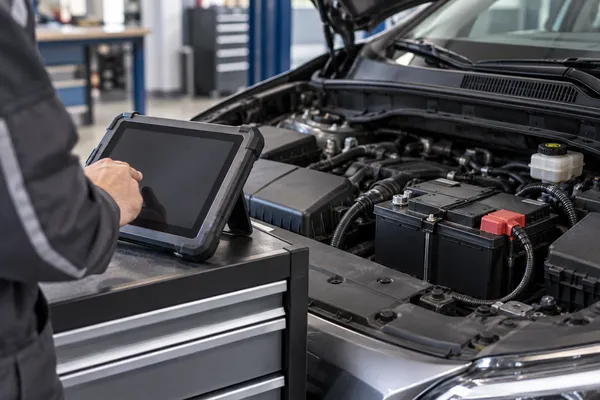
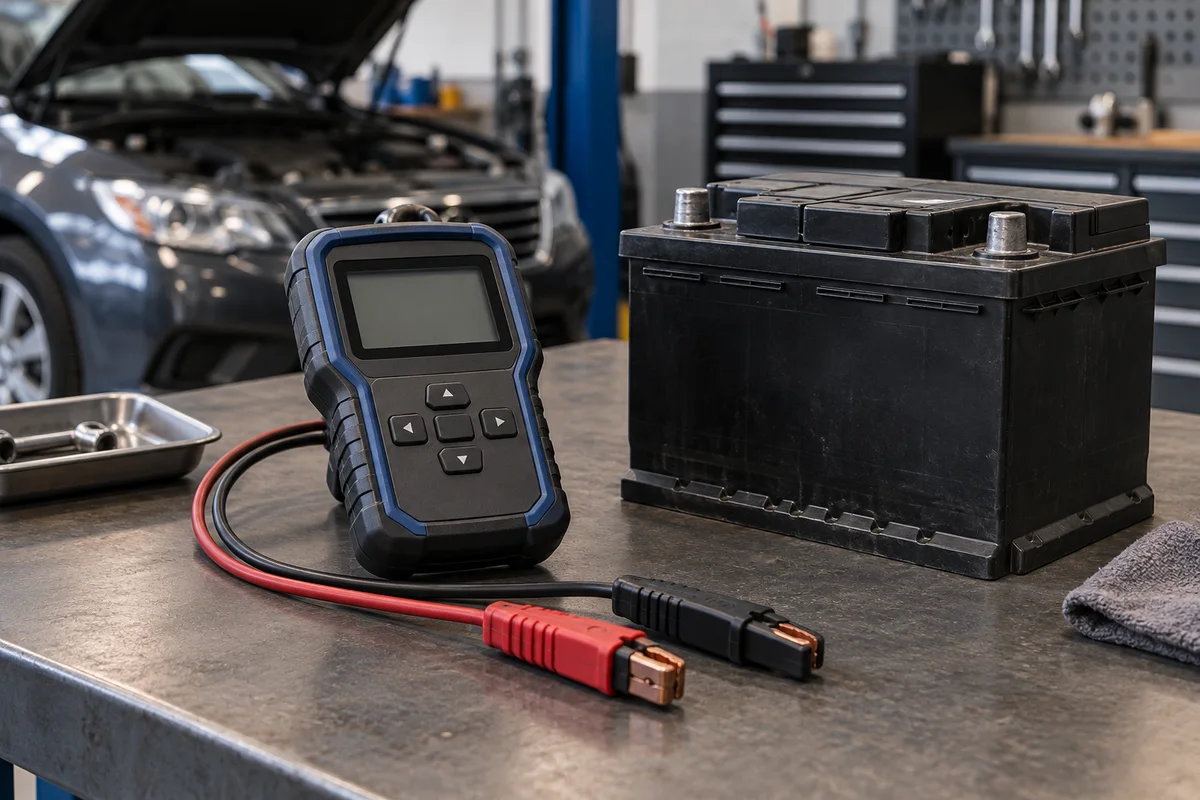
A useful appointment establishes whether the battery can be assessed in its present charge state or needs suitable recharging first. It should also consider the reason it became discharged. Ask for the findings and any recommended change to charging or use in a form you can keep.
If replacement is needed, confirm the exact battery technology and any vehicle setup requirement. Buying a similar-size battery on the way home may create a second problem if it does not match the car’s electrical management system.
Prepare for the next essential journey
Arrange the follow-up before relying on the car for an early flight, a remote trip or another time-critical journey. Carrying a booster may be useful where appropriate, but it should not replace diagnosis. The desired outcome is reliable normal starting, not becoming increasingly efficient at emergency recovery.