Understand what is being assessed
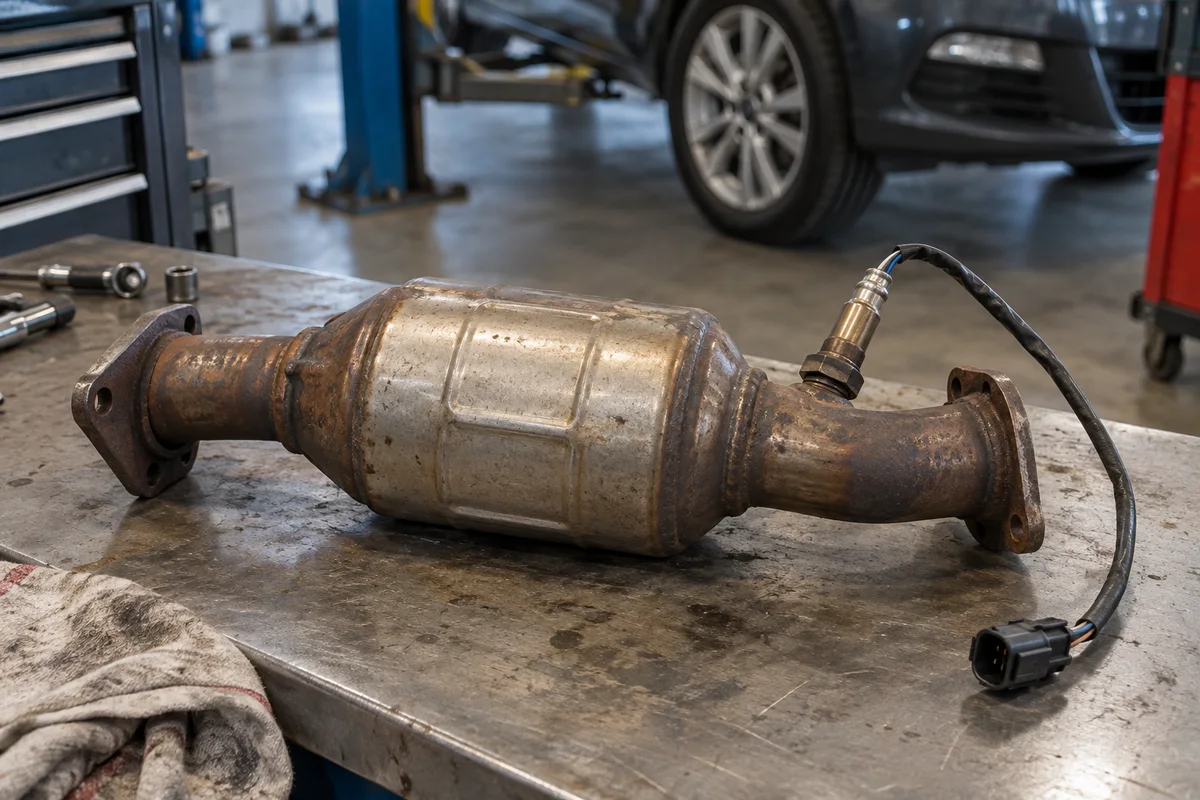
P0420 is commonly associated with catalyst-system efficiency below the monitored threshold on bank one. That wording describes the result of a check. It does not, on its own, establish the condition of every component involved or explain why the result occurred. The vehicle's specific monitoring strategy matters when interpreting the record and deciding what to test.
A workshop needs more than the code number before recommending an expensive exhaust component. Ask whether other faults, engine-running problems or exhaust-system conditions are relevant. Replacing a catalyst without understanding an upstream problem can leave the original cause in place. Conversely, assuming the code is merely an unimportant sensor nuisance can also lead you away from the actual fault.
Bring the history of the complaint
Record when the warning appeared and whether the engine had recently been running unevenly. Include previous exhaust work, known oil-consumption concerns and earlier diagnostic reports if available. These details are not proof of a cause, but they help the technician avoid treating the current scan as an isolated event with no history.
Do not crawl beneath an unsupported car to inspect a hot exhaust. Do not try chemical treatments or electronic bypasses as substitutes for diagnosis. A product promising to erase a code cannot explain the condition of this particular vehicle. If there is severe rough running, a flashing warning or an unsafe change in performance, follow the handbook and seek assistance promptly.
Separate confirmation from replacement
Useful questions include what checks were completed, what the findings ruled out and how the recommended repair follows from them. A technician may need manufacturer-specific test information and suitable operating conditions. You do not need to demand a particular technical method; you need a clear explanation of why the evidence supports the proposed next step.
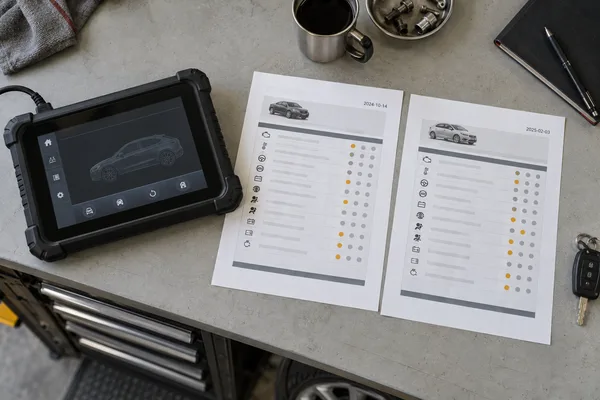
After work, ask how the repair will be verified and whether relevant checks have completed. Keep the original and follow-up reports with the invoice. A light that remains off immediately after a reset is not the same as a completed assessment under the required conditions. If the code returns, that dated record helps the workshop continue the investigation without starting from a vague recollection.