Look for the word beside the symbol
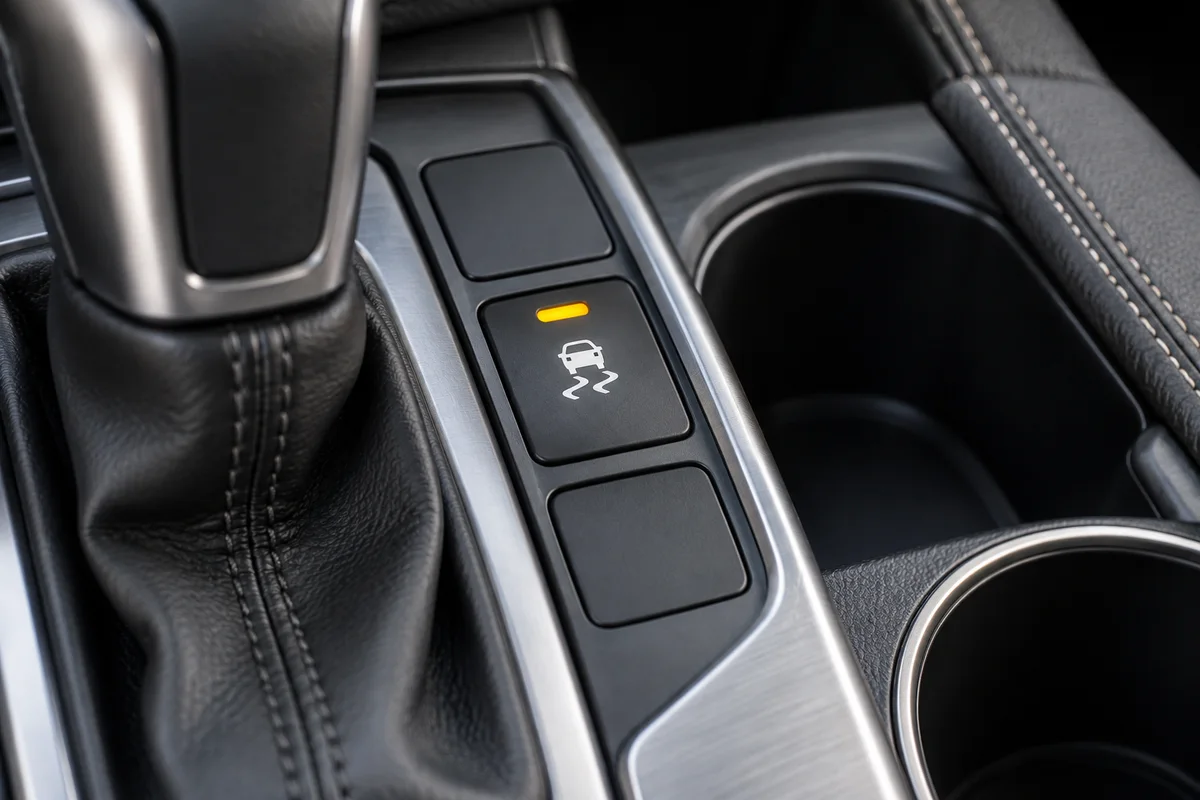
Some cars have separate indications for intervention, deliberate deactivation and malfunction. The small text beside the symbol can therefore matter as much as the symbol itself. Read the display while parked and compare it with the handbook rather than relying on a generic dashboard chart.
If a control was accidentally pressed, restore the normal setting using the described procedure. Do not repeatedly press unfamiliar buttons or cycle through driving modes on the move. A genuine fault message needs investigation even if changing a setting makes another indicator disappear.
Do not assume the assistance is still available
A car can feel entirely ordinary during gentle driving while an assistance function is unavailable. The difference may matter only in a demanding manoeuvre, which is precisely when discovering it is least convenient. Allow for that uncertainty and arrange prompt advice about whether the car should be driven.
A red brake warning, unusual steering, pulling or abnormal pedal feel requires a more urgent response. Stop safely and seek assistance. Do not explain every extra symptom as part of one harmless electronic glitch.
Several systems can share information
Stability control uses information from other vehicle systems. An accompanying ABS warning or a fault after wheel work can therefore be relevant without proving that an expensive control unit has failed. Give the workshop the complete combination of messages and the circumstances in which they appeared.
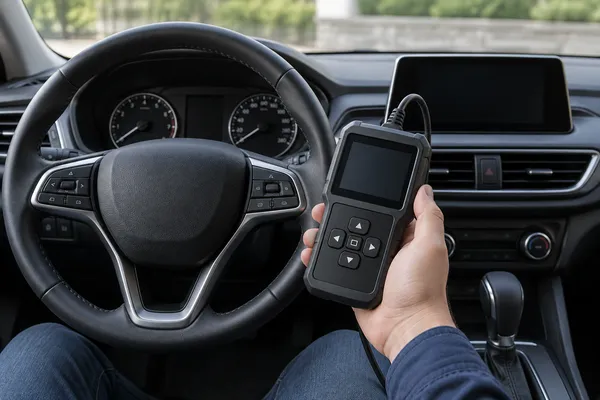
An engine-only reader may not access the relevant brake or stability module. Ask for a diagnostic approach suited to the affected system rather than accepting an empty engine-code list as confirmation that nothing is wrong. Preserve any codes already found, including their exact wording.
Confirm the normal setting after repair
When collecting the car, check that normal driving mode is restored and ask what caused the warning. A repaired fault and a deliberately disabled function are different outcomes. Keep the explanation with the vehicle history, particularly if a previous low-voltage event or tyre change was involved.
If several drivers share the car, ask whether someone selected a special mode before the warning appeared. Record the answer without assuming it explains everything; an unrelated fault can still occur at the same time.