The intuition that needs checking
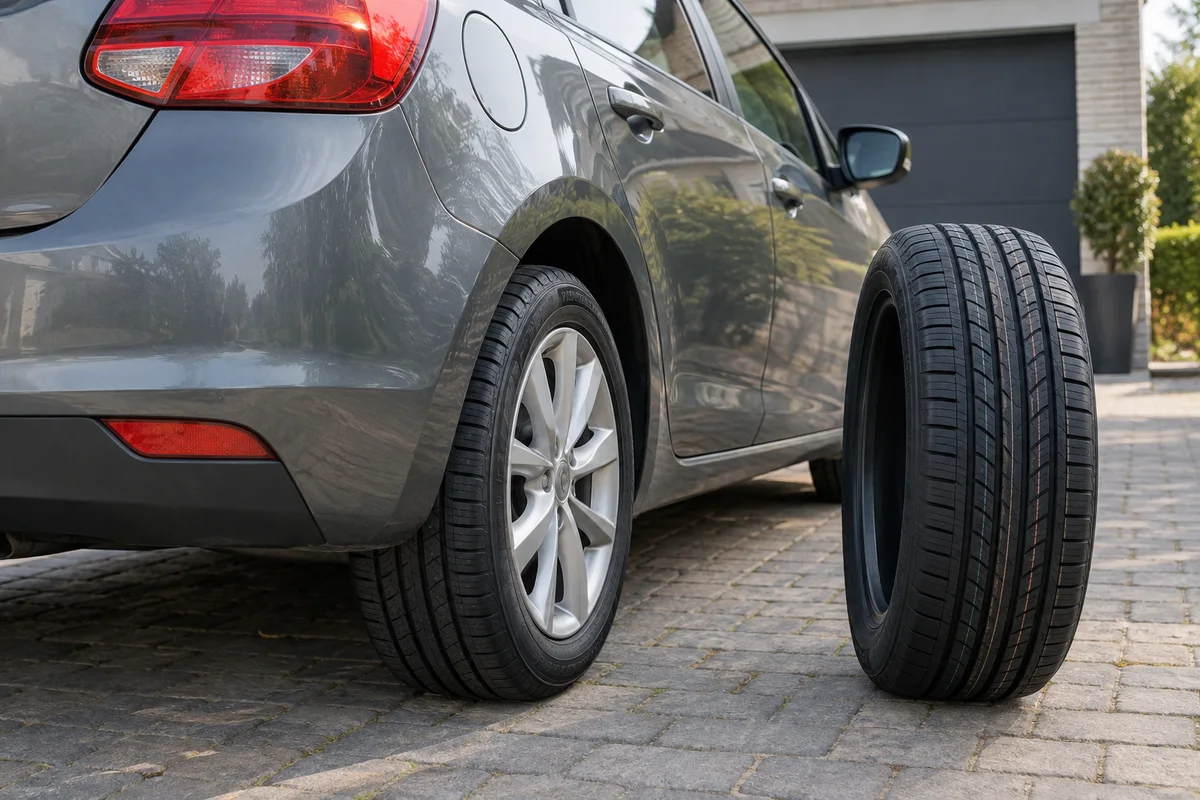
On a front-wheel-drive car, it is tempting to put the new tyres at the front because those wheels steer and transmit power. However, Michelin recommends the new or least-worn pair on the rear for vehicles with the same tyre sizes front and rear. Rear grip contributes to stability, particularly when wet conditions make differences between the axles more significant.
That recommendation is not an instruction to move any wheel anywhere. Different front and rear sizes, tyre constructions, vehicle requirements or other fitment constraints may prevent a simple swap. Ask the tyre service to explain the approved arrangement for your exact car. The useful question is where a compatible pair belongs, not which axle seems to do the most obvious work.
Inspect the pair that stays
Replacing two tyres does not automatically make the remaining two acceptable. Their tread, age, condition and pressure history still need assessment. A tyre that looks less worn than the ones being discarded may nevertheless have damage or another reason for replacement. Have all four checked so the decision to buy a pair is based on condition rather than only the original budget.
Some drivetrains have particular requirements concerning tyre matching and differences in rolling circumference. If the car has all-wheel drive or a specialist fitment, make that clear when requesting the quote. Do not assume that buying two identical new tyres settles compatibility with the older pair. Manufacturer guidance may affect the number of tyres that need replacing and the permissible combination.
Agree on the complete job
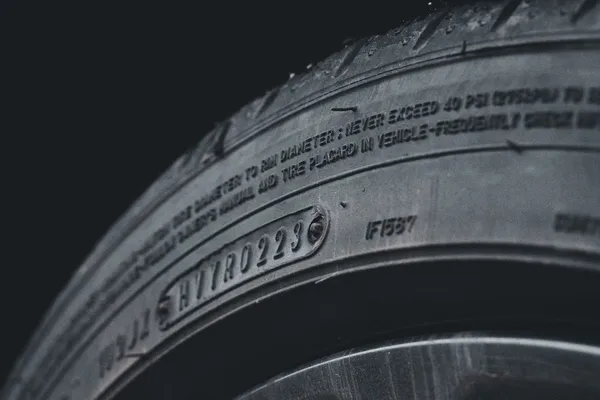
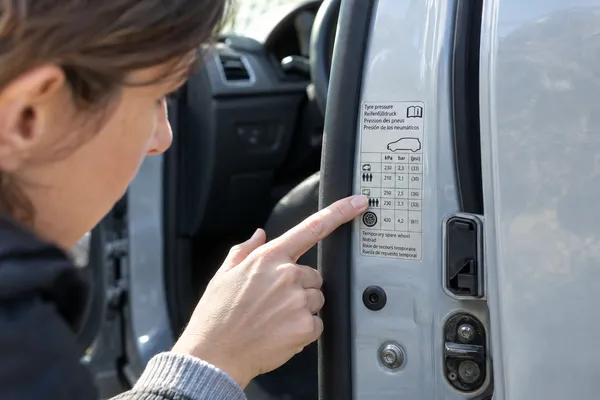
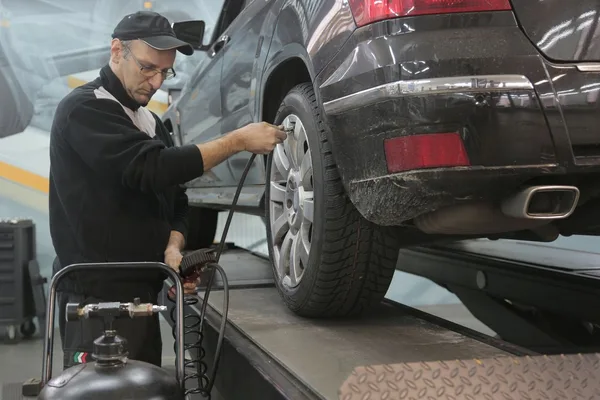
Ask the workshop to state which tyres will be fitted where, whether any existing wheels will move, and what inspections are included. If rotation is involved, the mounting direction and other markings still matter. Pressures must suit the final wheel positions, and any monitoring procedure should be completed according to the vehicle’s instructions. The invoice should make the fitted specification easy to identify later.
After the work, keep checking the older pair rather than mentally resetting the age of the whole set. Record the replacement date and mileage, and follow any manufacturer advice for newly fitted tyres. The aim is balanced, compatible equipment with an understood maintenance history. A sensible two-tyre purchase should leave no uncertainty about which pair is new or why it was placed on that axle.