Identify more than the model name
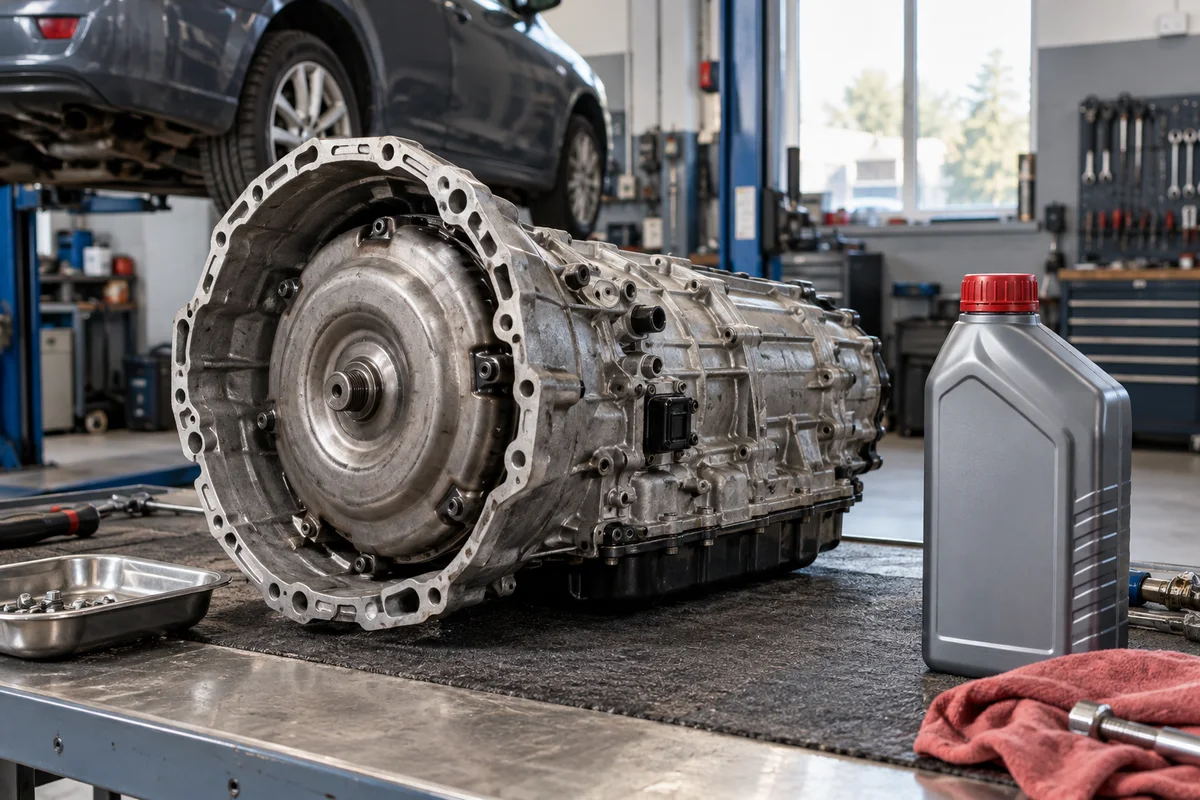
A conventional automatic, a dual-clutch transmission, a CVT and a manual gearbox do not share one maintenance procedure. Even a single car model can have different units according to engine, year or market. Ask the workshop to identify the fitted transmission from the vehicle details and service information. A recommendation based only on the badge may miss the distinction that determines the fluid and work required.
Read the vehicle manufacturer’s schedule and any relevant transmission-maker guidance together. ZF, for example, publishes lubricant information for its own units; that is not an instruction for every gearbox from every brand. If two recommendations appear to differ, ask the workshop to explain their applicability to your exact unit and usage rather than picking whichever interval sounds most convenient.
Clarify what the proposed service includes
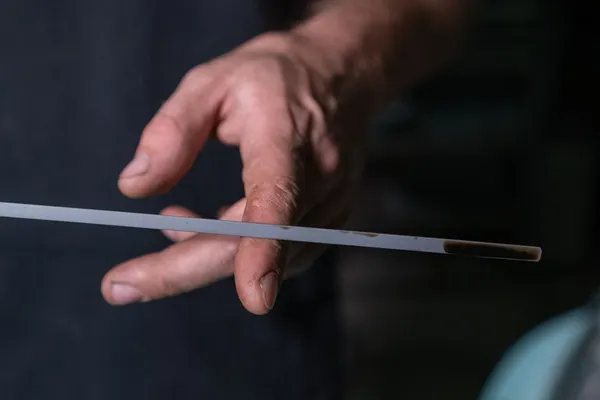
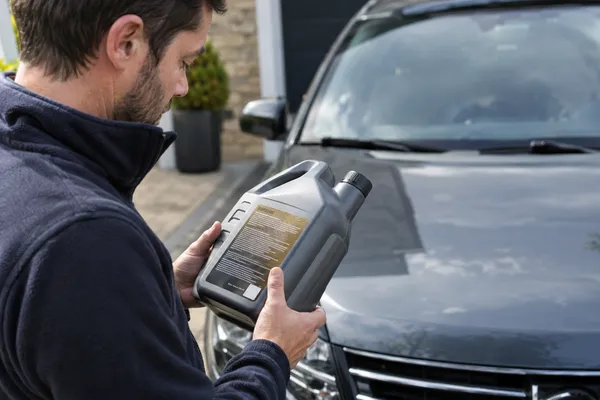
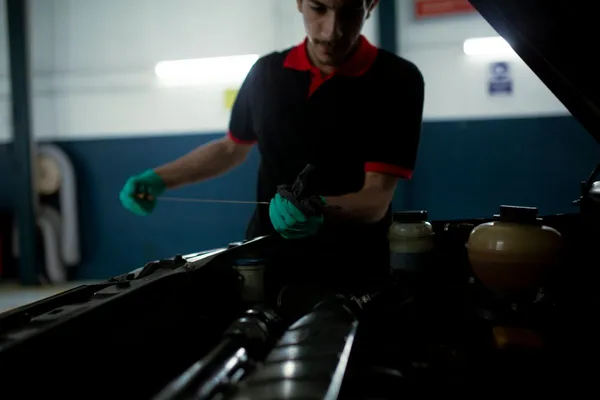
An estimate should distinguish an inspection, a fluid change and additional parts such as a filter or pan where applicable. Ask which approved fluid is specified and how the correct level will be established. Some procedures require particular temperature conditions or equipment. These are reasons to choose a properly equipped workshop, not a reason to improvise a dipstick check on a transmission that has none.
Avoid universal additives and treatments offered as a cure for every shift complaint. If the gearbox slips, hesitates or displays a warning, describe the symptom before authorising routine maintenance as the assumed remedy. Fresh fluid cannot be promised to repair mechanical wear or an electrical fault. Diagnosis and scheduled service may overlap, but the estimate should make their different purposes clear.
Preserve the useful details
Bring previous invoices, especially if the car’s history is incomplete or a different fluid may have been used. State how the vehicle is driven, including towing or demanding loads. Those details can affect the relevant recommendation. Agree on approval for additional work if the initial inspection finds damage, contamination or a leak.
After service, keep the date, mileage, product specification and work description. Report any new leak or change in operation promptly. The next owner should be able to see what happened without interpreting a receipt that merely says gearbox done. A precise record and an applicable procedure are more useful than a confident universal mileage figure.