Use normal access, not dismantling
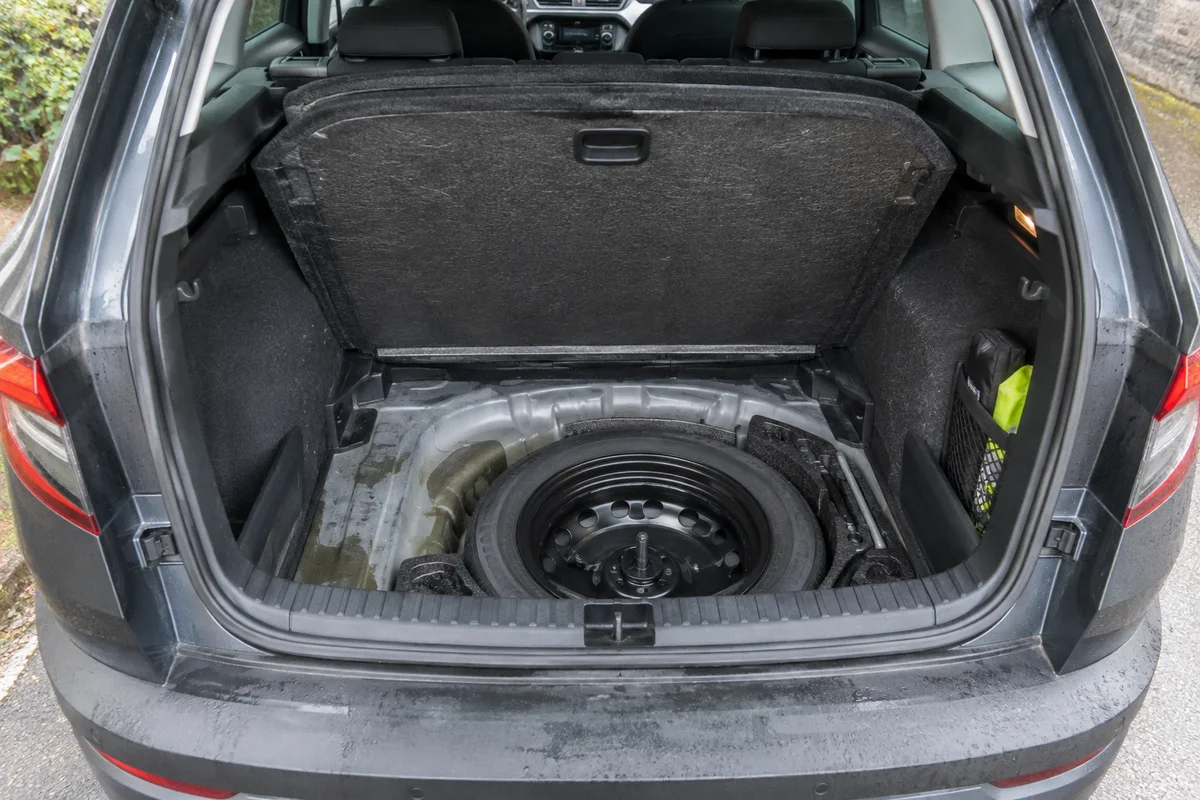
With the seller's permission, look at the accessible footwells, removable mats and boot area. Notice staining, persistent condensation or a damp smell, but do not treat one clue as proof of flood damage. A spilled drink, wet outdoor equipment and a body leak can leave overlapping signs. The useful first step is to record where the evidence appears and ask how it occurred.
Lift only items designed for ordinary owner access, such as a removable boot-floor panel where the handbook allows it. Do not remove fixed carpet, unplug seats or disturb electrical equipment. Water can affect hidden components, and an informal viewing cannot safely establish their condition. If a concern extends beyond accessible surfaces, make it part of a professional inspection.
Ask about the history of the moisture
Has the car had a leak repaired? Was a window left open? Was the interior recently washed or dried? Ask for records where work was undertaken and distinguish an explanation from a verified repair. A clean cabin scent and a dry top surface do not show that padding below is dry or that an entry path has been corrected.
Look for a pattern across several areas rather than concentrating on one suspicious mark. Ask whether warnings or equipment failures accompanied the dampness. Do not deliberately soak the vehicle with a hose to reproduce a leak during the viewing. Uncontrolled water testing can introduce new moisture and obscure the original path, as well as risking additional damage.
Let the uncertainty influence the decision
An independent inspector should know exactly what you observed and which areas were not accessible. Ask whether the inspection can assess the suspected source and any consequences within its stated scope. A standard visual check may not include removing interior components or testing every hidden electrical connection. The limit should be clear rather than assumed away by a reassuring report title.
If drying or repair is promised before sale, agree what will be documented and how the result will be checked. A moisture concern should not be reduced to a negotiation over cleaning alone when its source remains unknown. You can decide that more evidence is needed before proceeding. The aim is a car whose condition is understood, not a cabin that merely looks ready for photographs.
Ask when the interior was last cleaned and whether drying equipment was used. That information does not prove an attempt to hide a fault, but it helps interpret why accessible surfaces are dry while a smell or stain remains elsewhere.