Describe your actual year
Think about where the car spends its time: a mild city, exposed rural roads, regular mountain journeys or a mixture. Include early mornings and the colder parts of your route, not just the temperature outside your home at lunchtime. A driver who can leave the car parked during severe weather faces a different decision from someone whose essential journeys continue regardless.
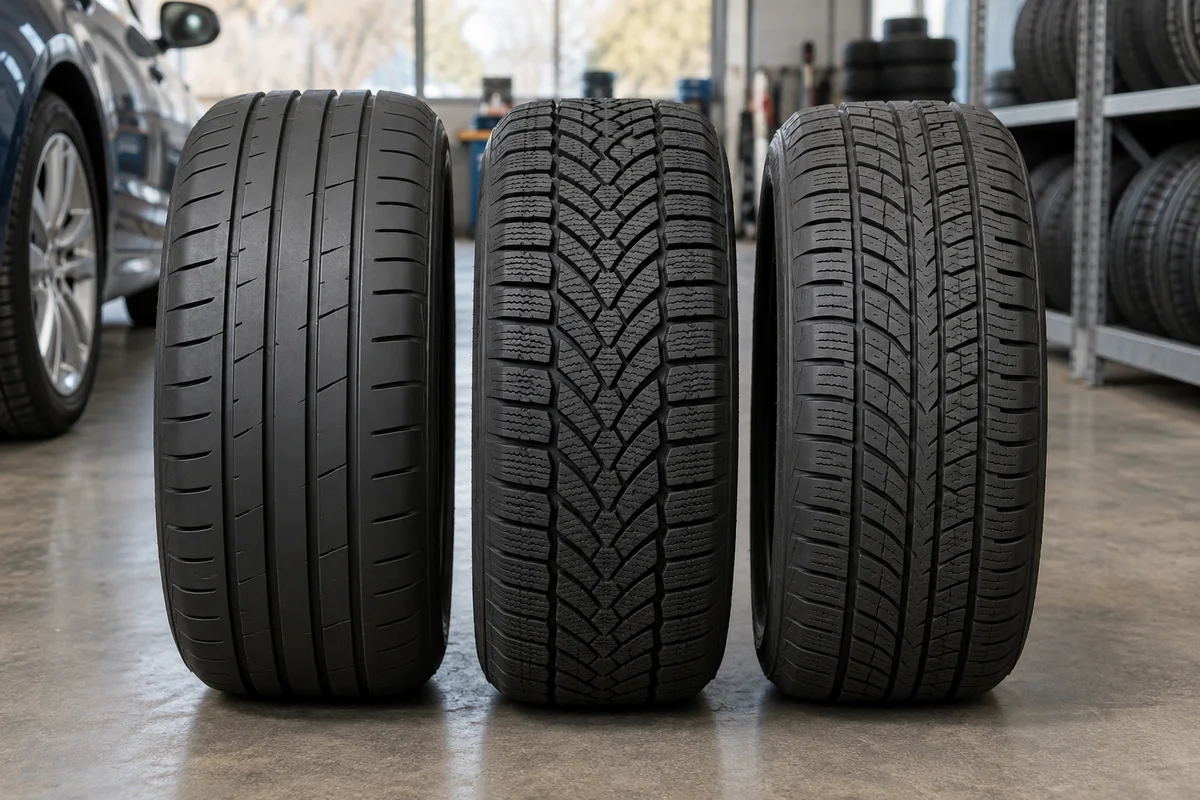
Summer, winter and all-season tyres balance performance differently across conditions. An all-season label does not make every product equally suitable for every winter journey, and a winter tyre is not simply a summer tyre with deeper grooves. Ask a qualified supplier to explain the relevant capabilities of approved options for your car, using your route and seasonal needs as the starting point.
Separate climate needs from legal requirements
Check the current equipment rules for every region you intend to visit, including any markings, dates or conditions that apply. Rules can vary across borders and mountain areas. Do not assume that a tyre sold as all-season automatically satisfies every destination’s requirement. Confirm the markings on the actual model being offered rather than relying on the category name in an advertisement.
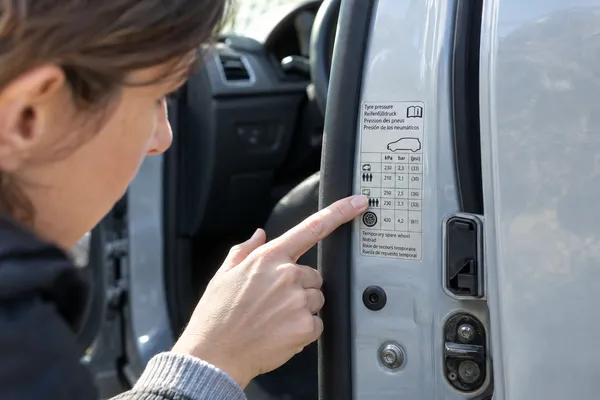
The vehicle’s size, load and speed requirements still apply whichever seasonal type you choose. If an approved winter arrangement differs from the normal fitment, have the conditions explained clearly. Mixing unsuitable types or buying a bargain set without checking compatibility can undermine a carefully considered seasonal choice. The complete fitment matters as much as the word printed on the sales page.
Count the practical arrangements too
Two seasonal sets involve storage, changeover appointments and keeping both sets in good condition. Consider whether you have a suitable storage space or need a tyre storage service. Ask what the service includes and how the tyres are inspected before refitting. A second set that returns unnoticed with damage or low pressure is not useful preparation for difficult conditions.
With one all-season set, keep monitoring wear and condition throughout the year rather than treating the purchase as a permanent solution. Revisit the choice if your journeys change substantially. The aim is not to win an argument about which category is universally best. It is to select a compatible set whose strengths and limitations make sense for your car, your routes and your ability to avoid severe weather.