Name the symptom precisely
A slow, laboured turning sound on a cold morning is not the same as normal-speed cranking that lasts longer before the engine fires. The first points the conversation toward the power and effort involved in turning the engine; the second needs a wider starting investigation. Both deserve an accurate description.
Think back to recent starts. Has the sound gradually slowed over several days, or did it change suddenly after the car stood unused? Did the dashboard dim or reset? A pattern gives the technician a better starting point than simply saying that winter has made the car difficult.
Why a mild-weather success can mislead
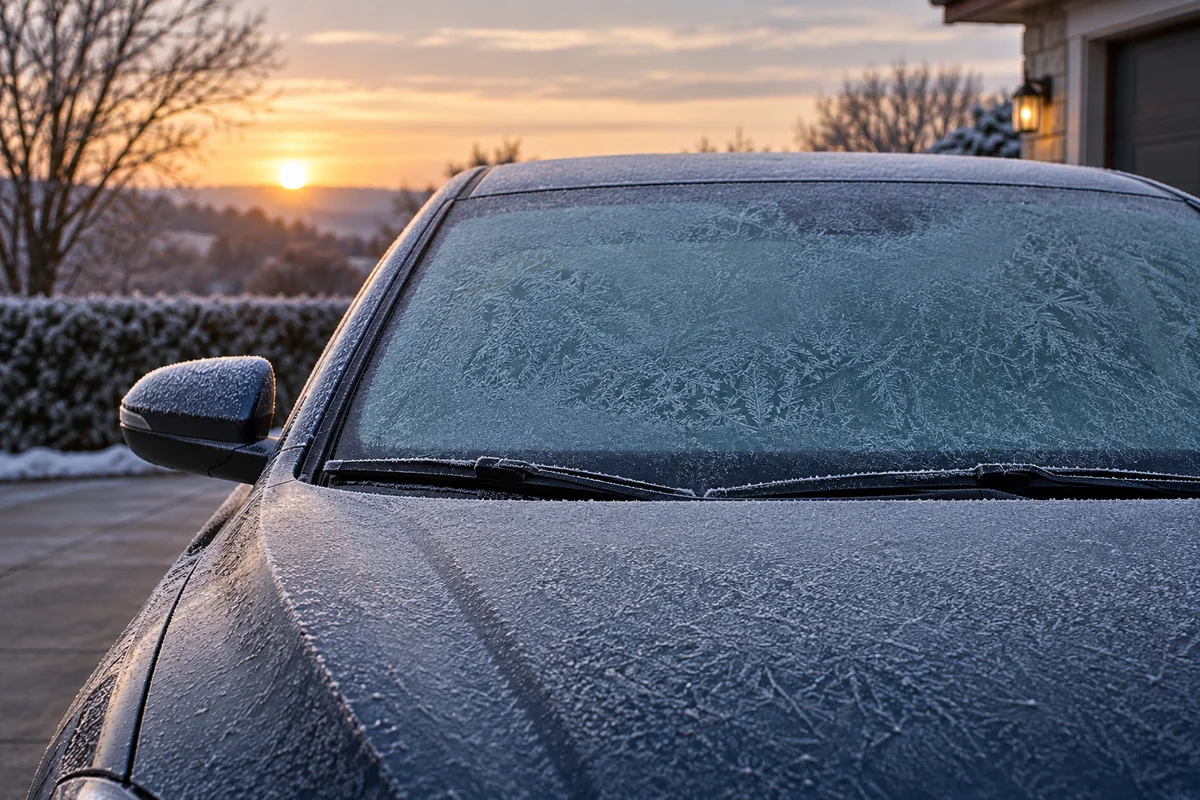
Cold conditions can make an existing weakness more apparent. A battery that coped during warmer afternoons may struggle the next morning, and the condition of cables and connections still matters. The fact that the car eventually started does not show that enough reserve remains for tomorrow.
Avoid repeated long attempts. Use the starting limits and pauses specified by the handbook, and stop if there is grinding, smoke, an unusual smell or a serious warning. Running the battery down through repeated attempts makes both the immediate problem and the later diagnosis less straightforward.
Prepare a useful battery assessment
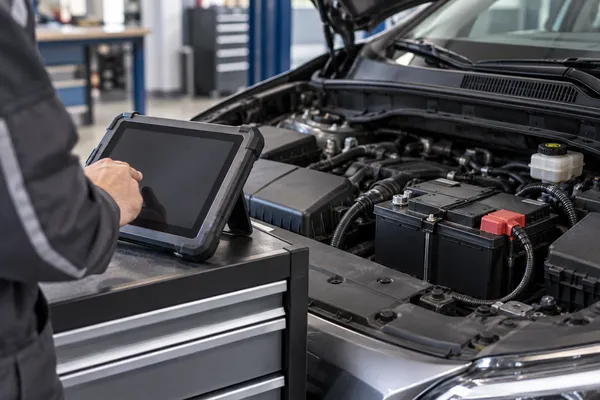
Tell the workshop the battery’s age if known, recent driving pattern and any external charging. Short trips, long parking and heavy electrical use are relevant. Bring the battery receipt or previous test result rather than estimating from the colour or cleanliness of the case.
A proper assessment distinguishes state of charge from deterioration. A discharged battery may need suitable charging before its condition can be judged reliably. If replacement is recommended, ask whether the test and vehicle history support it and whether the reason for low charge has been considered.
Do not overlook the vehicle specification
The correct oil and battery specification are part of the vehicle’s starting requirements. Do not choose a thicker oil, a different battery technology or a random higher rating as a winter cure. Match the manufacturer’s requirements and discuss any uncertainty with the service provider.
If a suitable charger is recommended, follow both charger and vehicle instructions, including connection points and battery chemistry. Never charge a damaged or suspected frozen battery. A warm indoor place for the owner is not a reason to bring an unsafe battery into a living area.
Before the next cold spell
Arrange testing while the car is still starting, particularly before an essential early journey. Keep the result and any charging recommendation. Preventive attention to a developing symptom is more useful than carrying a booster and assuming every future slow start will have the same simple explanation.