Two codes with different jobs
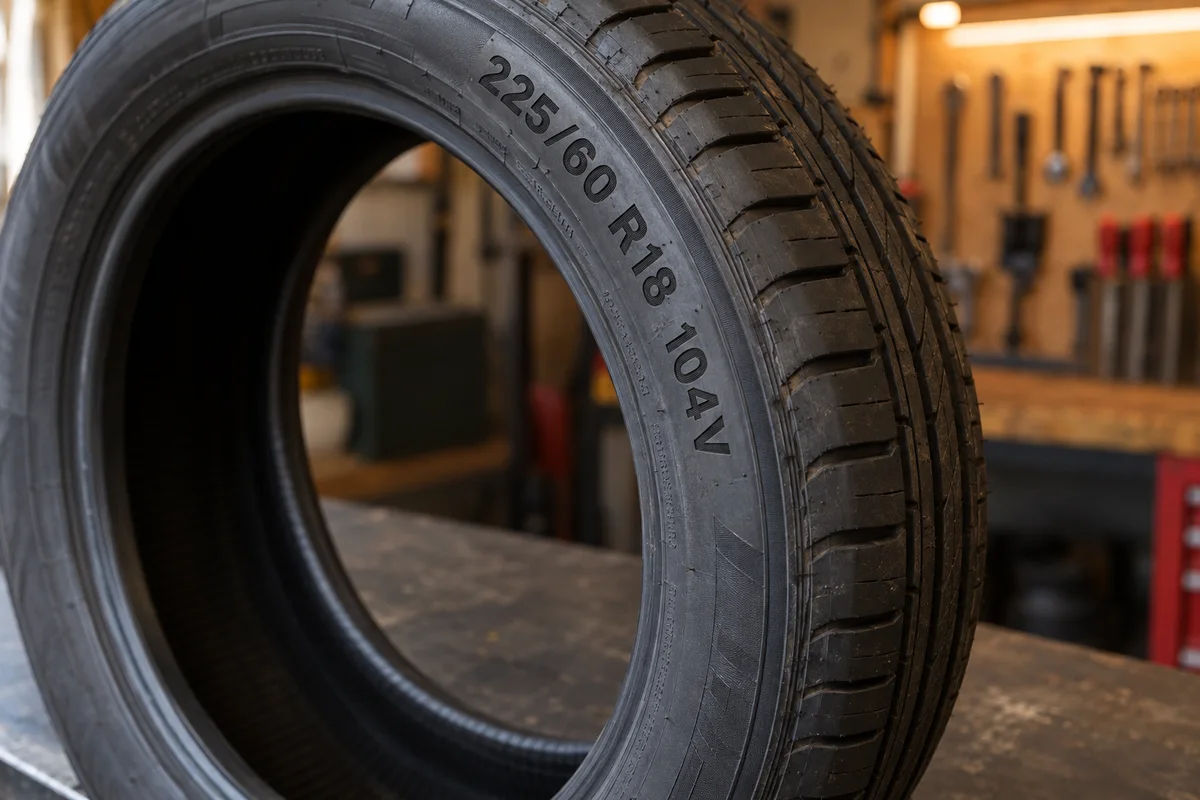
The load index refers to the load a tyre can carry under specified conditions; it is a code, not a weight printed directly in kilograms. The speed symbol describes a speed capability under defined conditions. Both need interpreting through the relevant tables and the vehicle’s approved requirements. Neither means that the car may ignore its own loading limits or the road’s speed limit.
A tyre with the right width and rim diameter can still have an unsuitable load or speed rating. That is why a search result matching only the headline size is not enough. Read the complete specification and have the supplier confirm it for the exact vehicle. The required rating may differ between versions that look almost identical from outside.
Loading does not become a simple multiplication
Do not multiply a tyre’s stated capacity by four and treat the answer as the car’s new payload allowance. The vehicle has its own permitted mass and axle loads, and the load is not necessarily shared equally. Correct pressure also remains essential. A higher load marking does not remove the need to use the manufacturer’s pressure recommendations for the actual load and fitment.
Markings such as XL describe a tyre construction or load category, not a universal instruction to add a fixed amount of pressure. Ask how the proposed tyre meets the vehicle specification, especially when replacing equipment on a heavy car or changing an approved wheel package. Keep the answer tied to the manufacturer’s data rather than a seller’s general claim that a stronger tyre is always better.
A speed symbol is not driving advice
Choosing a rating involves more than comparing it with the fastest road you normally use. Vehicle requirements, applicable regulations and approved seasonal exceptions can all matter. Do not downgrade a rating merely because your daily commute is slow. If a winter fitment involves a different permitted rating, obtain the exact conditions and required warnings from a qualified supplier familiar with your jurisdiction.
Before authorising the order, ask for the full size, load index, speed symbol and any required approval marking in writing. Compare these details with the invoice and fitted tyres afterwards. This short check prevents a price comparison from silently comparing different specifications. Once the correct options are established, cost, comfort and other preferences can be considered on a much clearer basis.