Describe what reached the driver
Try to separate a shaking steering wheel, a pulsing pedal and vibration felt through the seat or body. You do not need a technical vocabulary; describe the sensation and when it happened. Mention whether it appeared only while braking or was already present during ordinary travel. This distinction can help direct the inspection, although it does not identify a faulty component by itself.
Record the conditions already observed, such as light or firmer braking, a recent wheel change or an impact. Do not repeat high-speed stops to make the symptom easier to explain. If the vibration is strong, braking is reduced, the pedal changes or the car feels unstable, stop safely and obtain assistance. A detailed report is useful only after the immediate safety concern has been addressed.
Avoid the automatic diagnosis
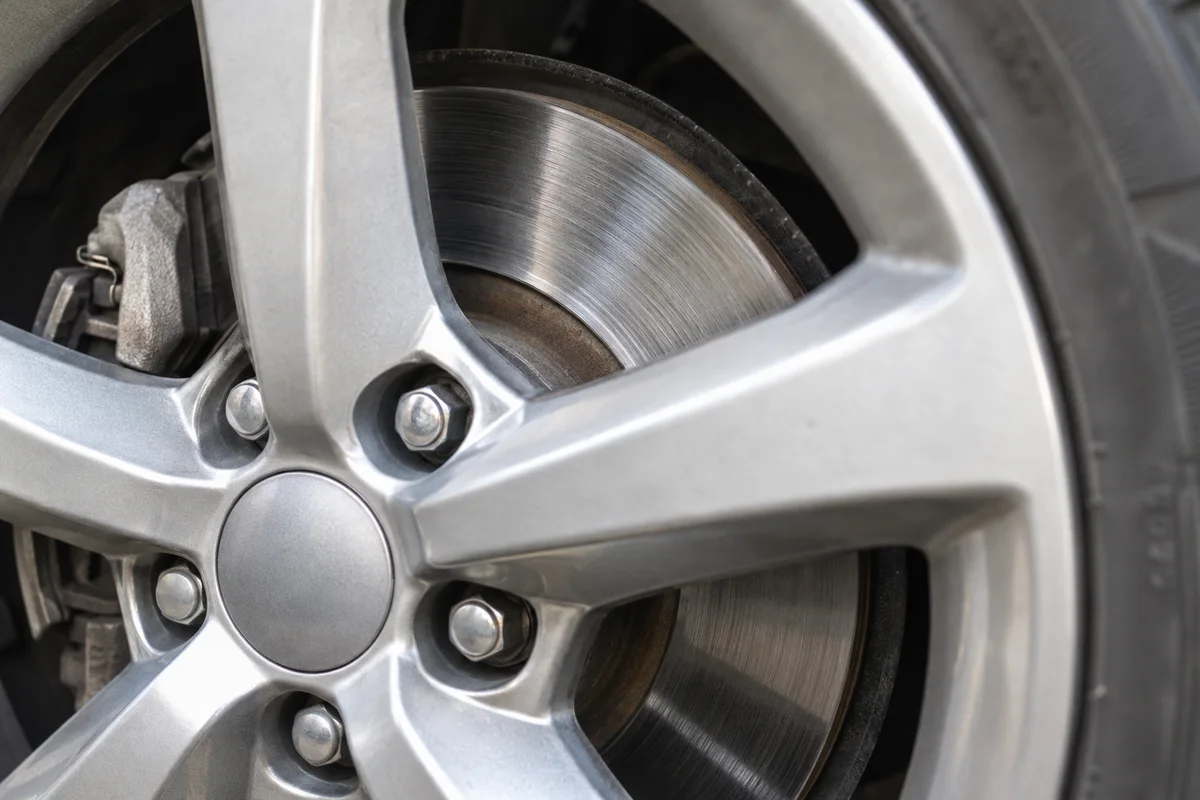
The phrase warped discs is often used for any brake vibration, but several conditions can contribute. Disc condition, variation in friction, mounting issues and other wheel or suspension problems may need professional assessment. Replacing one part on the strength of a familiar phrase can leave the original complaint unresolved. Ask what measurements or inspection findings support the proposed work.
Normal anti-lock braking intervention can produce a distinct pedal sensation in appropriate circumstances, but that does not explain every vibration during a routine stop. Consult the vehicle handbook for the system’s normal behaviour. Do not deliberately trigger it to compare sensations, and do not use it as reassurance when the symptom is new, persistent or accompanied by another change in braking.
Help the workshop compare before and after
Provide the date the vibration began and details of recent work, including tyre or brake replacements. If another workshop has already attempted a repair, share its report instead of starting the story again from zero. Mention whether the symptom changed after that work. A short timeline can prevent useful information from being lost between appointments and reduce repeated assumptions about the cause.
Before collecting the vehicle, ask what was found and how the original complaint was checked after the repair. Follow any relevant instructions for the fitted components without inventing a bedding-in routine yourself. Keep the records and report a remaining or returning vibration promptly. The aim is an explained and resolved behaviour, not simply an invoice listing new discs because vibration was mentioned at reception.