Check travel before assuming a starter fault
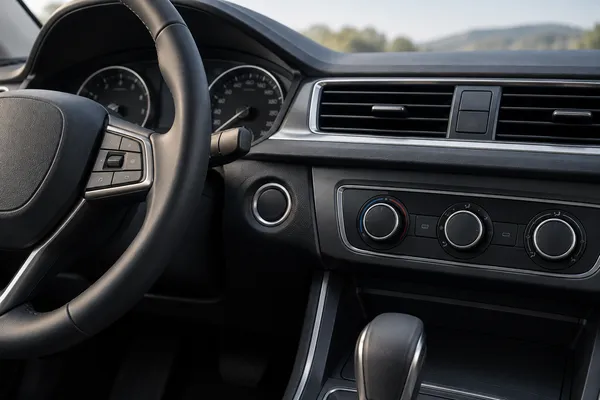
If the display asks for the clutch and the starter stays silent, confirm the normal procedure in the handbook. Secure the car with the parking brake, select neutral as instructed and press the pedal fully. A seat positioned too far back or an object beneath the pedal can prevent the expected travel.
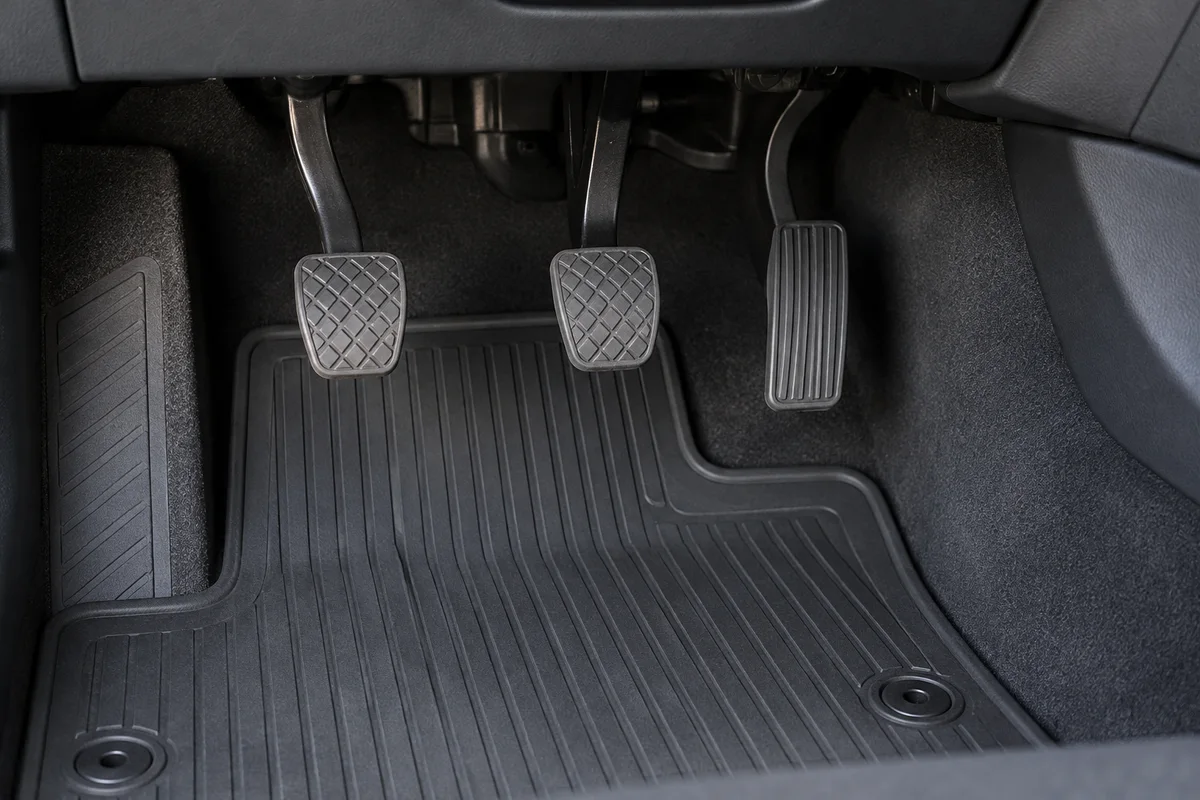
Inspect the footwell only while parked. Remove an obvious loose item and correctly secure the floor mat; do not stack mats or cut them in place as an improvised fix. Adequate pedal movement matters for driving as well as starting, so the obstruction should be resolved properly.
Describe what the pedal does
Does it feel normal, unusually soft, stiff or slow to return? Has the starting position changed over time? Did the issue begin after clutch, pedal or interior work? These are useful observations to report, but there is no need to repeatedly pump the pedal or press harder than normal to force a response.
If the pedal does not return, gears cannot be selected normally or fluid leakage is suspected, stop the attempt and ask for professional advice. A starting interlock complaint can coexist with a mechanical or hydraulic issue. Do not treat successful cranking as proof that the clutch will operate safely on the road.
Tell the workshop if the clutch pedal now needs to be pressed noticeably farther than before to permit starting, even when gear changes still seem normal. That difference can help separate a recognition issue from a broader clutch complaint. Avoid adjusting a switch yourself; a small change made only to obtain cranking may interfere with the intended safety function.
Leave the interlock intact
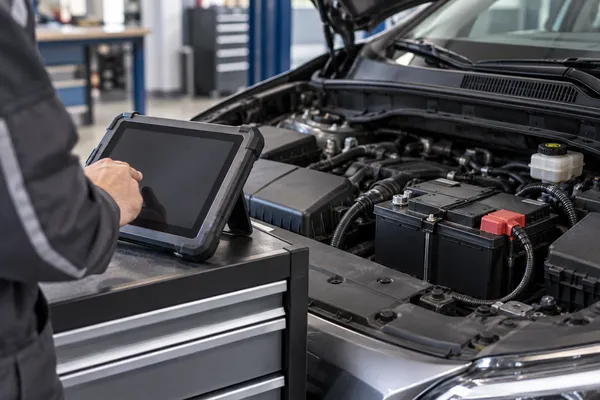
Do not tape a switch down, bridge a connector or alter pedal wiring to defeat the requirement. The interlock helps prevent an unexpected start in an unsafe condition. A workshop can check whether the pedal input is recognised and why, using the appropriate information and equipment.
A prompt that remains with the pedal correctly depressed may involve the switch, its adjustment, wiring or another part of the start sequence. That list is a reason for diagnosis, not a menu of parts to replace one after another. Give the technician the exact message and whether the engine ever cranked.
After the cause is found
Ask the repairer to confirm both normal starting and normal pedal operation. Keep any explanation of an adjustment or replaced component. If the starting point becomes inconsistent again, arrange follow-up rather than developing a ritual of lifting, pumping or over-pressing the pedal each morning.