Build a short factual packet
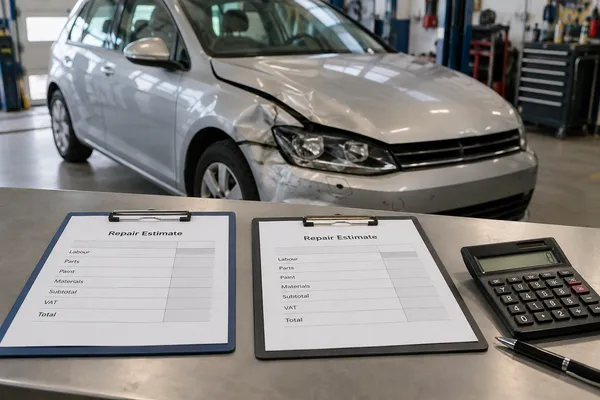
Gather the original complaint, dated diagnostic reports, estimates and invoices for work already completed. Add a brief timeline explaining when the symptom began and how it changed. Keep proposals separate from completed repairs. A second workshop cannot interpret 'they changed everything' as accurately as a list of named operations with dates and mileage.
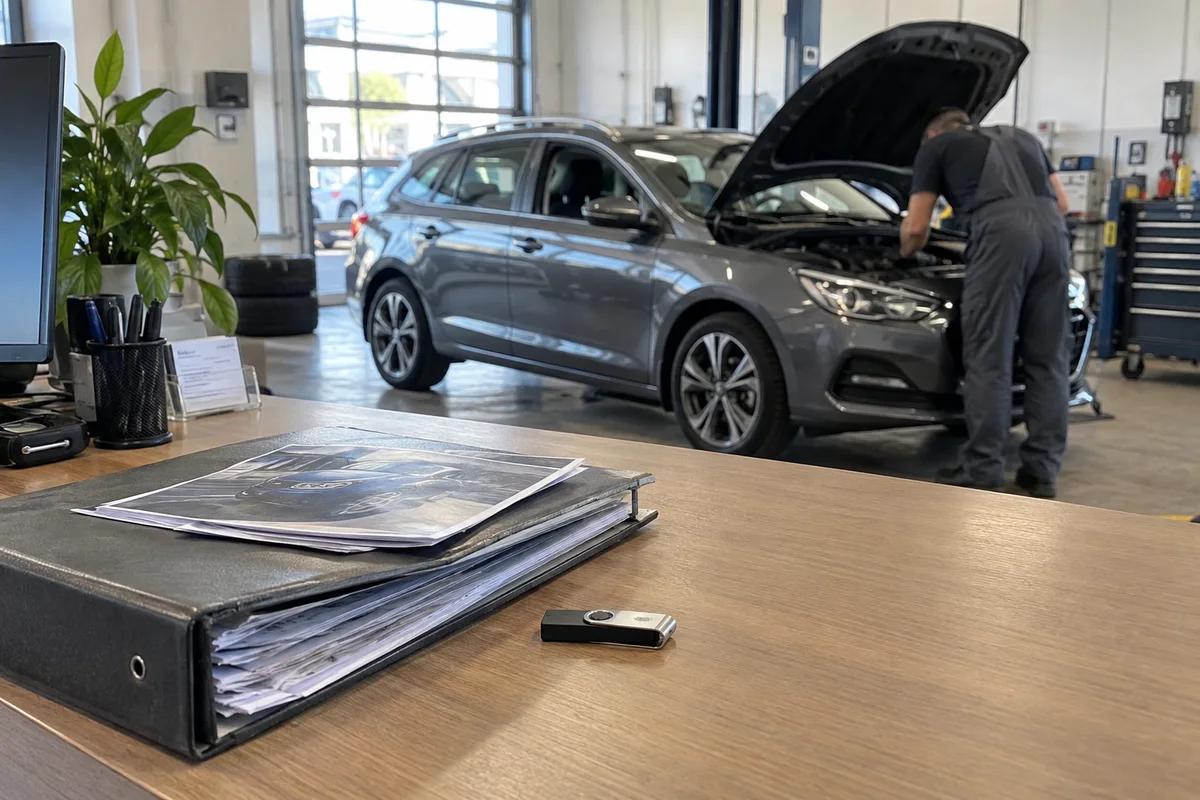
Include original scan files or clear copies where available. Do not edit out entries because they seem unrelated, and do not clear the vehicle's memory before the appointment simply to offer a clean start. The next technician can decide which information matters. Your job is to preserve the history, not to reshape it around the explanation you currently favour.
Ask for an independent question to be answered
State why you want another assessment. Perhaps a major repair was proposed without a clear explanation, the symptom returned or two findings appear inconsistent. Ask the workshop to investigate the complaint and review the supporting evidence. Do not make agreement with one previous opinion a condition of the visit. An independent answer may confirm, narrow or challenge the earlier conclusion.
Clarify the initial scope and any charge before leaving the car. A second opinion may require its own checks rather than a quick reading of another garage's estimate. Discuss whether the car is safe to drive there and whether particular conditions, such as an overnight cold start, need to be arranged. Good paperwork cannot replace the right access and timing.
Compare findings rather than confidence
When the new report arrives, compare what each workshop observed, what each tested and which assumptions differ. A more confident tone does not necessarily mean stronger evidence. If the conclusions diverge, ask what additional fact would distinguish them. There may be a change in the vehicle's condition, different test coverage or an unresolved question rather than a simple right-versus-wrong contest.
Keep both reports and record any work you subsequently approve. Questions about payment, coverage or responsibility depend on the actual agreement and local rules; the technical assessment should still make clear what is happening now. A well-organised second opinion gives you a more understandable basis for action, even when it cannot promise that every intermittent symptom will appear during one appointment.
Label photographs with what they show and when they were taken. A picture of an old removed part can otherwise be mistaken for the current state of the car, particularly when several workshops have been involved.