Start with a clean, dry surface
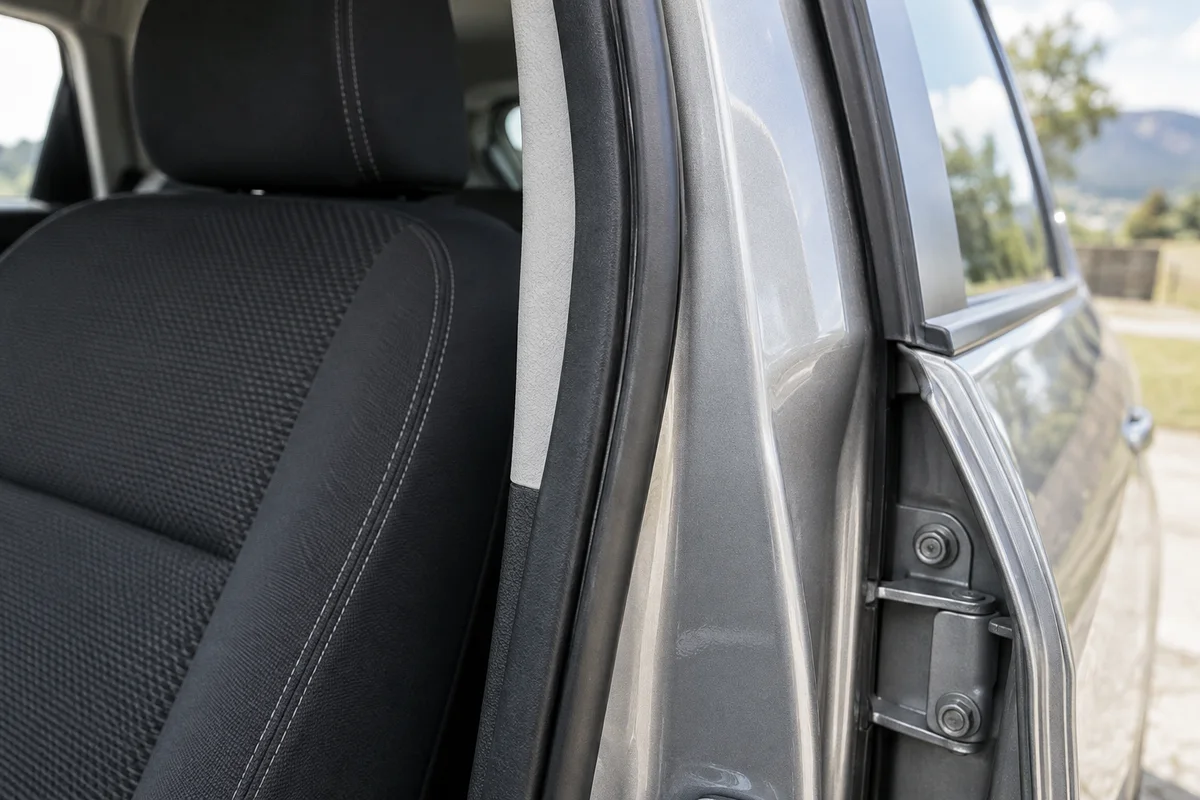
Open the doors while the car is safely parked and inspect the rubber around the openings. Dust, grit and old residue can collect where the seal meets the body. Clean gently using the vehicle’s recommended method, then allow the surfaces to dry. Avoid dragging a gritty cloth around the entire opening, which can scratch adjacent paint rather than improve the seal.
Look for sections that are split, detached or flattened differently from the rest. A damaged seal is not repaired by applying more conditioner. Note the location and ask a workshop about replacement or refitting if needed. Also check whether the door closes normally; a persistent alignment or latch issue should not be hidden by slamming harder against the rubber.
Choose products carefully
Rubber treatments vary, and a product suitable for one surface may leave an unwanted residue or damage another. Follow the vehicle and product instructions instead of using cooking oil, petroleum-based grease or whatever spray happens to be available. Apply only where permitted and keep the material away from glass, upholstery, controls and surfaces where slippery residue would be a problem.
If the door is already frozen, do not force the handle or pry the seal with a sharp tool. Use the vehicle’s recommended thawing approach and allow time. Boiling water and aggressive scraping can create damage. Once the door opens, dry the wet contact areas and inspect for tearing rather than immediately closing it again with water trapped in the same place.
Moisture may have another source
A wet footwell, damp upholstery or recurring condensation can indicate more than neglected rubber. Record when water appears and whether it follows rain, washing or parking on a particular slope. The entry point may not be directly beside the wet patch. Avoid sealing every visible gap with household silicone before a professional has identified the path.
After cleaning, confirm that doors close and latch correctly and that no cloth or trim edge is trapped. Repeat the inspection during normal washing, especially before freezing weather. The objective is an intact, clean contact surface and a dry cabin—not a shiny coating applied so heavily that it transfers onto clothing every time someone gets in.