Check which state the car has entered
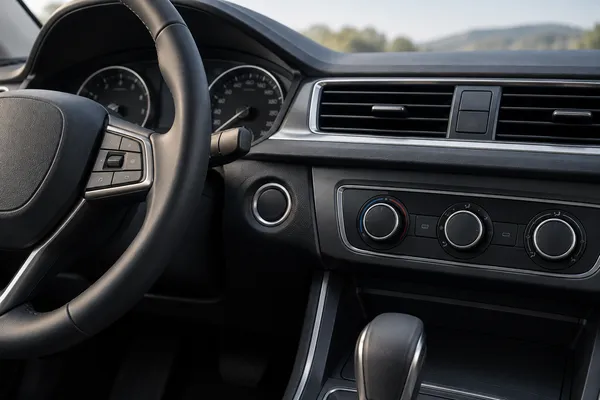
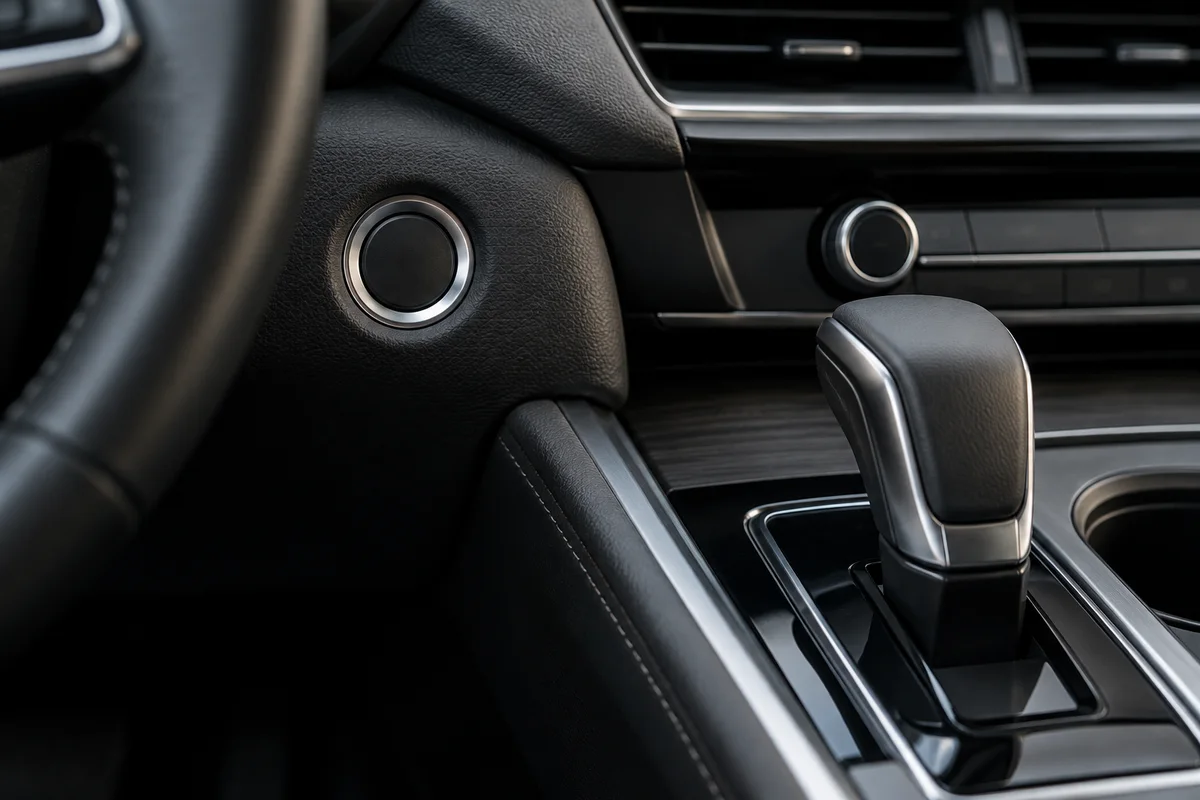
Pressing a start button can select accessory power without actually requesting an engine start if a required pedal is not pressed. Look at the display rather than assuming an illuminated dashboard means the starter should already be operating. Follow the handbook’s normal sequence while the car is securely parked.
Confirm the required gear position and pedal action for this model. A manual, an automatic and an electrified vehicle may use different conditions. Do not pump pedals, hold the button indefinitely or invent a sequence of rapid presses based on another car’s instructions.
Read the reason, if one is offered
Messages such as key not detected, select Park or press brake are useful clues. Record the exact wording and whether it changes after the ordinary requirement is met. A prompt that remains despite correct operation can itself help a technician identify the next check.
Make sure a loose floor mat or object is not preventing the required pedal movement. Correct an obvious obstruction only while parked and secure the mat properly. Do not bypass a pedal switch or move electrical connectors to persuade the car to accept a start request.
Silence does not eliminate the battery
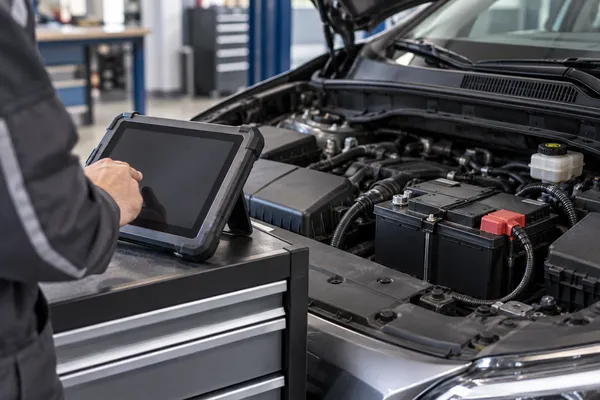
The low-voltage supply still matters even if the display is bright. Different components require different amounts of power, and a supply or connection problem can prevent a normal sequence. Note dimming, resets, sluggish locking or other electrical changes without treating any one of them as a definitive battery test.
If the car is a hybrid, check for its ready indication rather than listening only for an engine. A silent combustion engine may be normal in a ready vehicle. Conversely, accessory mode is not the same as a vehicle that is ready to move.
Keep the investigation at owner level
Use a spare key or the prescribed backup-reader procedure if the message points to recognition. Do not disassemble the start button, bridge relays or attempt to defeat the immobiliser. The purpose of an owner check is to identify normal operating conditions and report symptoms, not force a safety interlock.
If there is a burning smell, smoke or a serious electrical warning, stop attempts and arrange help. Otherwise, contact assistance with the sequence, messages and battery history. A technician can assess the command path and power supply using the vehicle’s proper information.
A useful final detail
Tell the technician whether the fault began after a key battery change, vehicle battery work or a software-related visit. Those events do not prove causation, but they can prevent an important setup or recognition detail from being overlooked during diagnosis.