Look for a consistent story
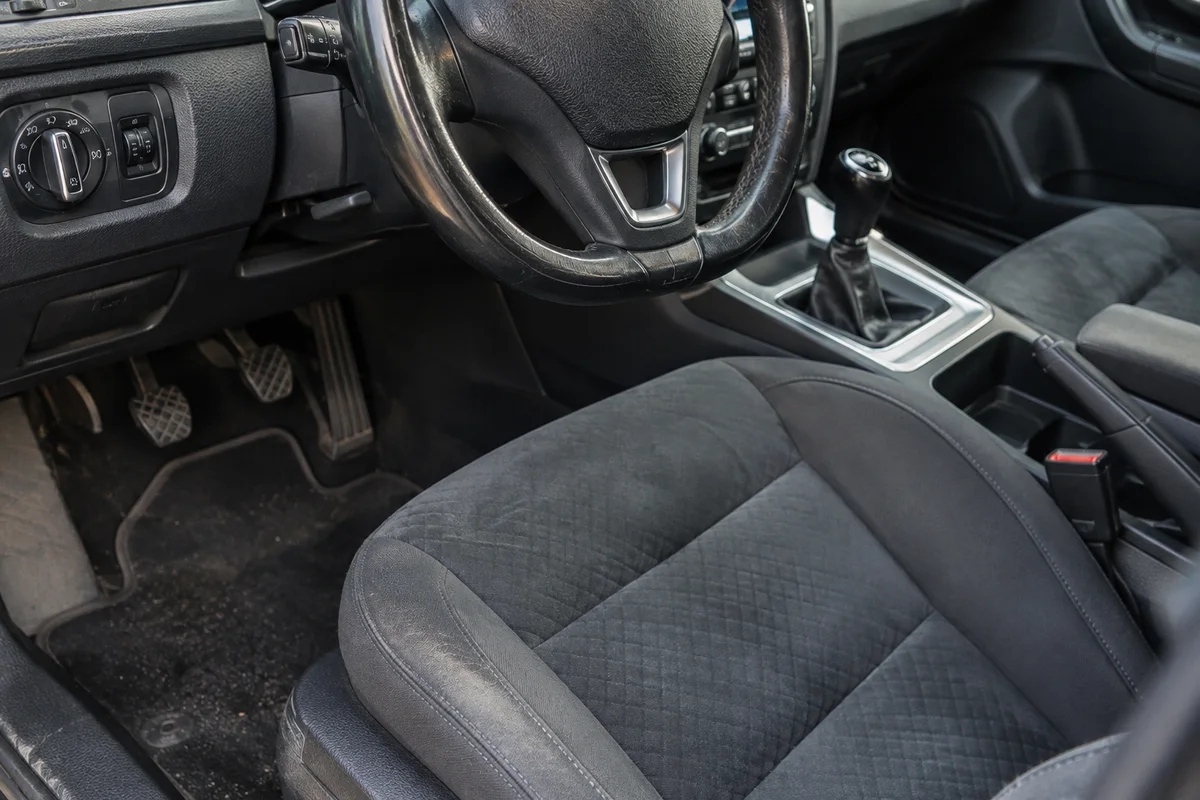
A polished steering wheel, worn seat bolster or marked load area tells you something about how surfaces have been used. It does not translate into an exact distance. Clothing, cleaning products, repeated short trips and the driver's way of entering the car can all affect wear. Different materials age differently, even within the same model range.
Compare the condition across the cabin rather than treating one shiny control as a verdict. A heavily used driver's seat beside almost untouched rear seats may have an ordinary explanation. A recently replaced trim part may also stand out. Ask about the difference and compare the answer with records instead of declaring the displayed mileage false from appearance alone.
Check function as well as appearance
With the vehicle parked and the seller's permission, try the normal seat adjustments, door handles and familiar controls. Check that a seat locks properly after adjustment and that nothing loose obstructs the pedals. Do not dismantle seats or examine their wiring; airbags and other equipment may be integrated into them. A damaged safety-related feature needs professional assessment.
Look at the condition of accessible seat-belt webbing and buckles without performing improvised load tests. If something appears damaged or does not operate normally, record it and ask for inspection. Cosmetic cleaning cannot establish that a safety component is sound. Keep that concern separate from ordinary marks that affect only how the cabin looks.
Avoid both suspicion and reassurance by polish
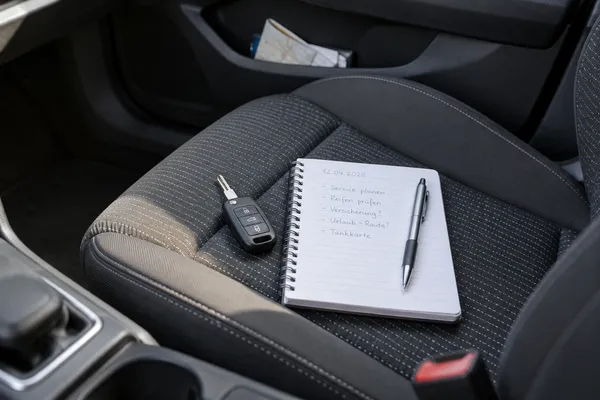
A freshly detailed interior can make a used vehicle appealing, but cleanliness is not maintenance history. Equally, a car that needs an ordinary clean is not automatically mechanically neglected. Separate presentation, wear and function in your notes. That gives a clearer comparison between vehicles than letting a pleasant smell or one unattractive scratch dominate the whole assessment.
Ask about any replacement upholstery or trim and retain relevant explanations. If wear appears inconsistent with the broader history, use document checks and an independent inspection to investigate. Do not invent a mileage estimate from a pedal photograph. The useful conclusion is that a feature needs explanation or repair, not that the cabin has revealed a precise hidden past on its own.
Check the boot's practical condition too. Deep scuffs on a loading lip may simply reflect regular luggage use, while a broken latch or damaged seat release affects function. Keeping those observations separate helps you describe what needs repair rather than treating all visible wear as equally important.