Notice the change, not a performance target
A car carrying passengers and luggage will not respond exactly as it does when lightly loaded. Gradient, selected gear, altitude and normal transmission behaviour also affect the experience. The concern is a new or pronounced loss of response compared with the vehicle's usual behaviour in similar conditions, especially when it arrives with a warning or rough running.
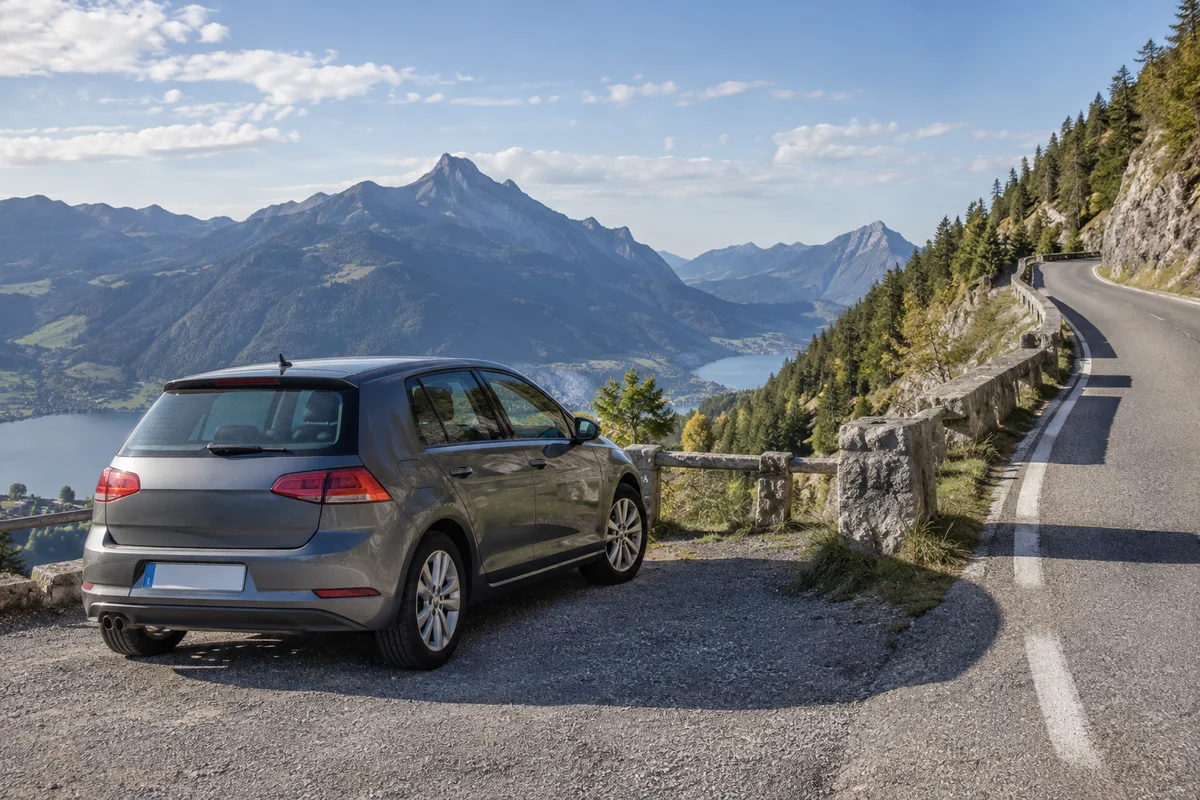
Do not use a hill to test how much power remains. Avoid overtaking or forcing the engine to maintain a pace it cannot safely sustain. If the car cannot make safe progress, find a suitable stopping place and arrange assistance. A narrow uphill road with traffic behind you is not the setting for experimenting with drive modes or a phone scanner.
Write down which kind of response changed
Explain whether engine speed rose without a matching increase in road speed, whether the engine struggled to gain speed at all or whether the vehicle deliberately limited its response. Those descriptions can point to different areas of investigation without proving any of them. Keep the wording of any message, rather than replacing it with a general phrase such as 'limp mode'.
Mention the approximate load, whether the engine was already warm and whether the problem occurred on other parts of the journey. A complaint that appeared only after a long climb differs from one present immediately on a gentle slope. Record any recovery after stopping, but do not treat temporary improvement as evidence that a fault has repaired itself.
Let the workshop choose a safe assessment
Bring the original scan if one was taken and tell the workshop about recent repairs or servicing. Do not clear the memory before the visit or disconnect parts to see whether the response improves. Some protective strategies deliberately reduce available performance when a problem is detected. Their purpose and trigger depend on the vehicle; defeating them is not a repair.
Ask what evidence will distinguish engine output, transmission behaviour and another possible cause. The workshop may need controlled data and model-specific checks rather than a dramatic road test. Once work is completed, discuss how the complaint was verified. You should not be asked to prove the repair by repeating a risky climb under the same heavy load that first made the car difficult to control.