Compare with the familiar sound
Some engines, particularly turbocharged ones, have audible airflow sounds that are normal for the model. A new sharp whistle, a much louder version of an existing sound or a noise accompanied by reduced response deserves a different conversation. Compare with the vehicle's own history rather than deciding that every turbocharged car should sound identical.
Describe whether the sound occurs only as you ask for more power, continues at a steady pace or is audible while standing still. Note whether it stops when demand falls. These distinctions are useful even if you cannot identify the location. Saying 'from the front' is more honest than naming a component you have not inspected.
Keep the accompanying clues
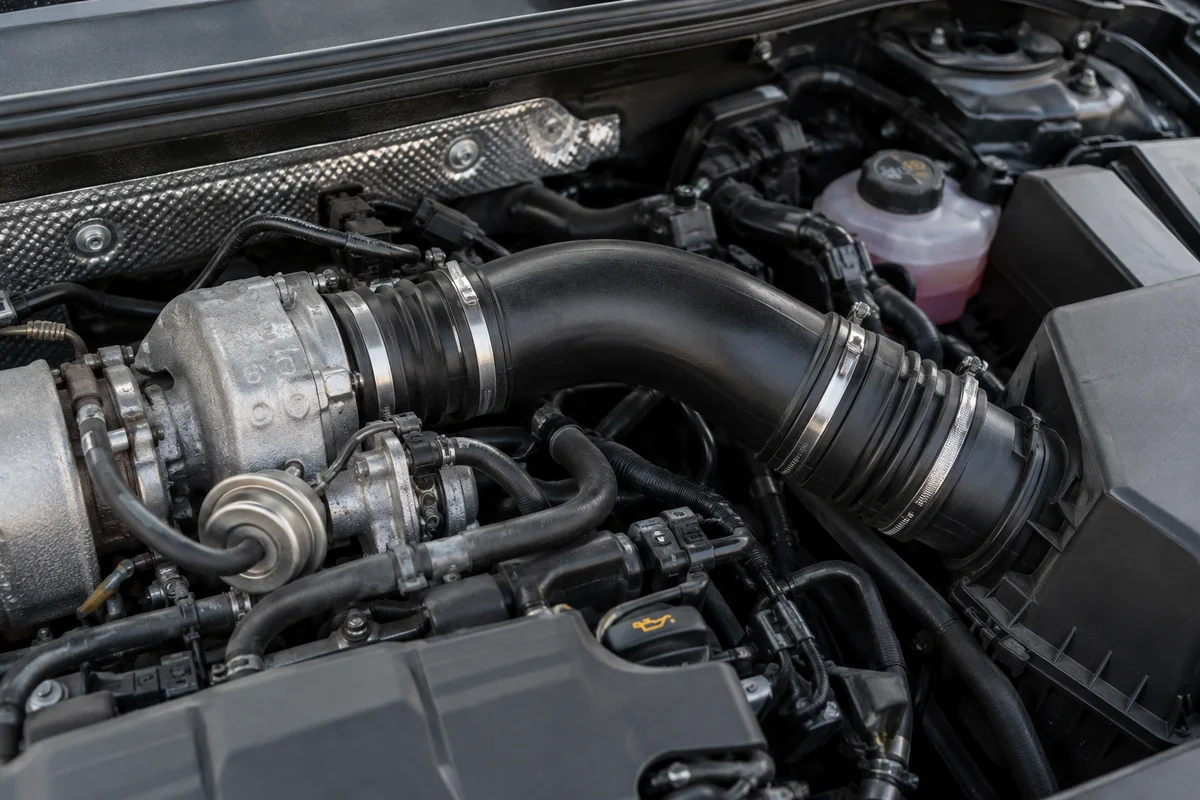
Record any loss of response, unusual exhaust appearance or warning message. Mention recent work involving the engine bay, intake or exhaust. A connection disturbed during other work is a possible line of enquiry, but the date alone does not establish the cause. A workshop can compare the sound with the system layout and recorded faults.
Do not repeat hard accelerations for a clearer recording. Do not loosen an intake connection, unplug a sensor or reach toward a hot turbocharger to search for the sound. If the car loses safe performance, produces heavy smoke or develops a severe mechanical noise, stop safely and seek assistance. A whistle is not a reason to demand more from a struggling engine.
Request an explanation based on checks
Ask what evidence supports any proposed repair. An air-path leak, an exhaust issue and an internal component problem require different checks, and sound alone may not distinguish them. A useful report explains what was inspected and found, rather than translating your word 'whistle' directly into the name of an expensive assembly. Keep that explanation with the repair paperwork.
After the work, compare normal journeys under similar conditions. If a mild sound remains, ask whether it has been identified as an expected characteristic for this vehicle or whether further investigation is needed. That distinction should come from assessment, not a blanket claim that all whistles are normal or that all of them mean imminent failure. Report a returning change with its circumstances.