Read the wheel and the handbook together
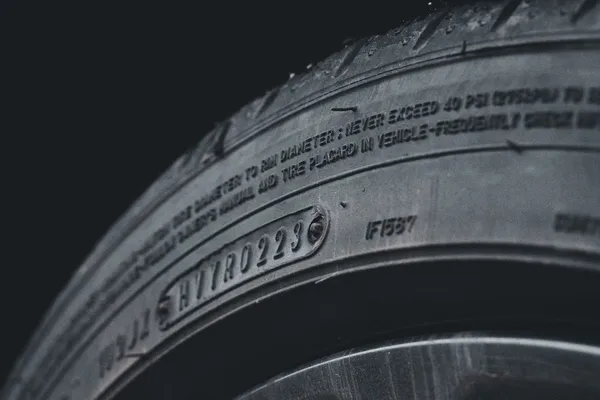
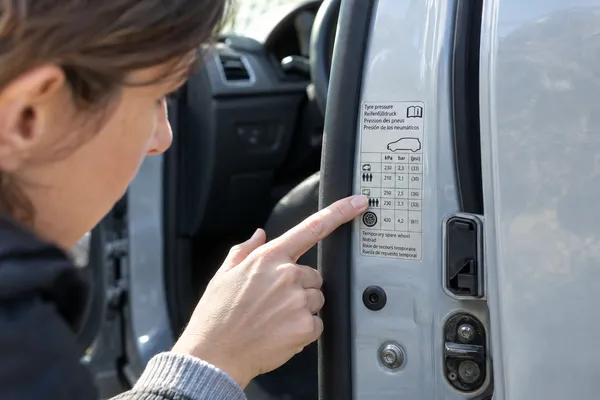
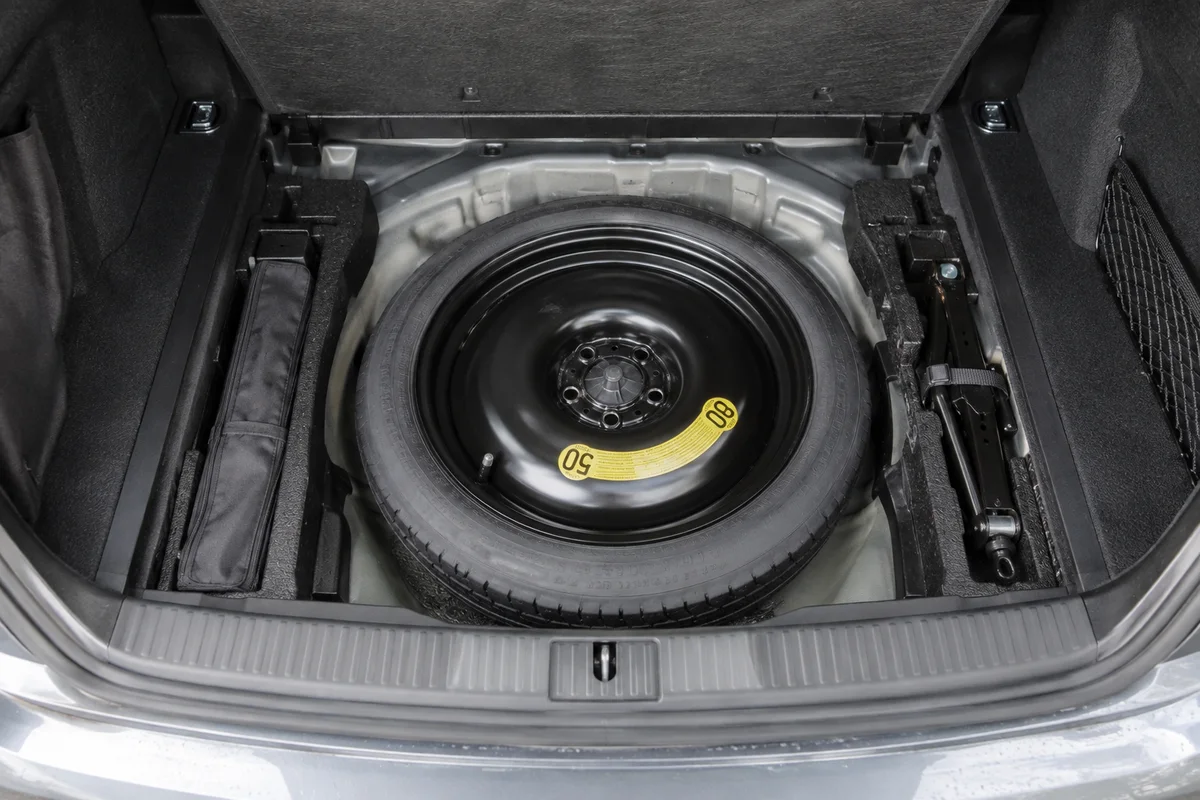
Before a puncture, identify the spare supplied for the vehicle and read the section covering its use. A temporary spare can require a very different pressure from the road tyres and can carry specific speed, distance or fitting restrictions. Use the instructions for the actual car and wheel. A number remembered from a previous vehicle is not a reliable substitute.
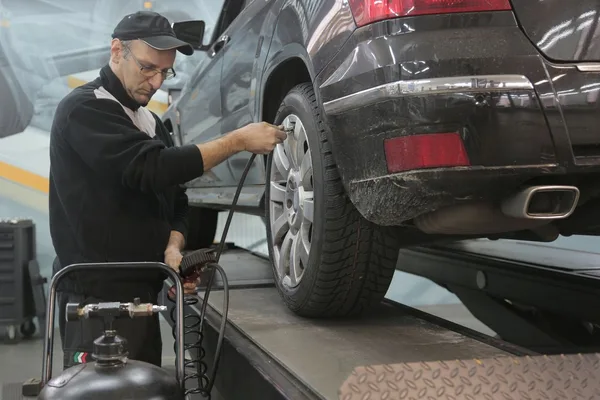
Check its condition and pressure as part of routine preparation, following the recommended cold-pressure method. A spare hidden under luggage can lose pressure or age without attracting attention. Make sure the necessary equipment is present, but do not assume that having a jack means every stopping place is suitable for changing a wheel. Recovery is often the safer choice beside busy traffic.
Plan the short journey around its limits
Once a temporary spare is fitted safely and correctly, arrange repair or replacement of the normal wheel promptly. The spare’s maximum permitted speed is a ceiling, not a target, and conditions may require a lower speed. The car’s handling and ground clearance may differ. Follow all restrictions concerning load, towing, wheel position and other equipment that the handbook specifies.
Do not combine advice from different models into a convenient compromise. Some vehicles impose particular placement or drivetrain requirements, and a wheel that physically bolts on is not necessarily approved. If the supplied instructions are unclear or the spare does not match the vehicle’s equipment, ask the manufacturer or a qualified tyre service before using it. Never fit multiple temporary spares unless explicitly permitted by the vehicle manufacturer.
Finish the job after the puncture
Keep the damaged wheel secured in the car according to the vehicle’s storage arrangements. A full-size wheel may not fit into the temporary spare’s recess in the same way, so consider luggage and restraint rather than leaving it loose. Tell the tyre service how far the temporary spare has been used and report any unusual behaviour already experienced.
When the normal wheel is restored, return the spare and tools to their proper secured locations. Check whether the spare needs attention before storage and follow the car’s pressure-monitoring instructions. The next puncture should not reveal that the spare was put away damaged, low or incomplete. A temporary solution is most useful when the follow-up restores the car’s normal readiness.