Start with your actual routine
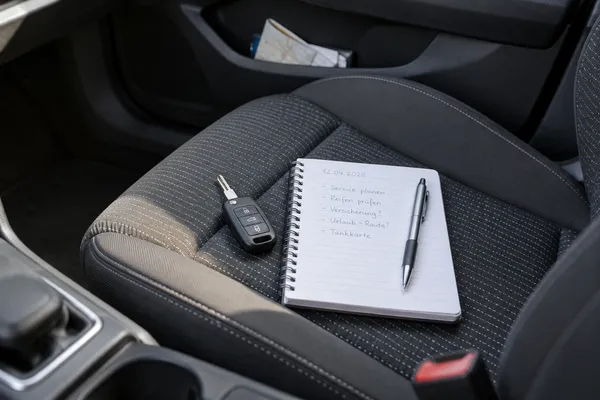
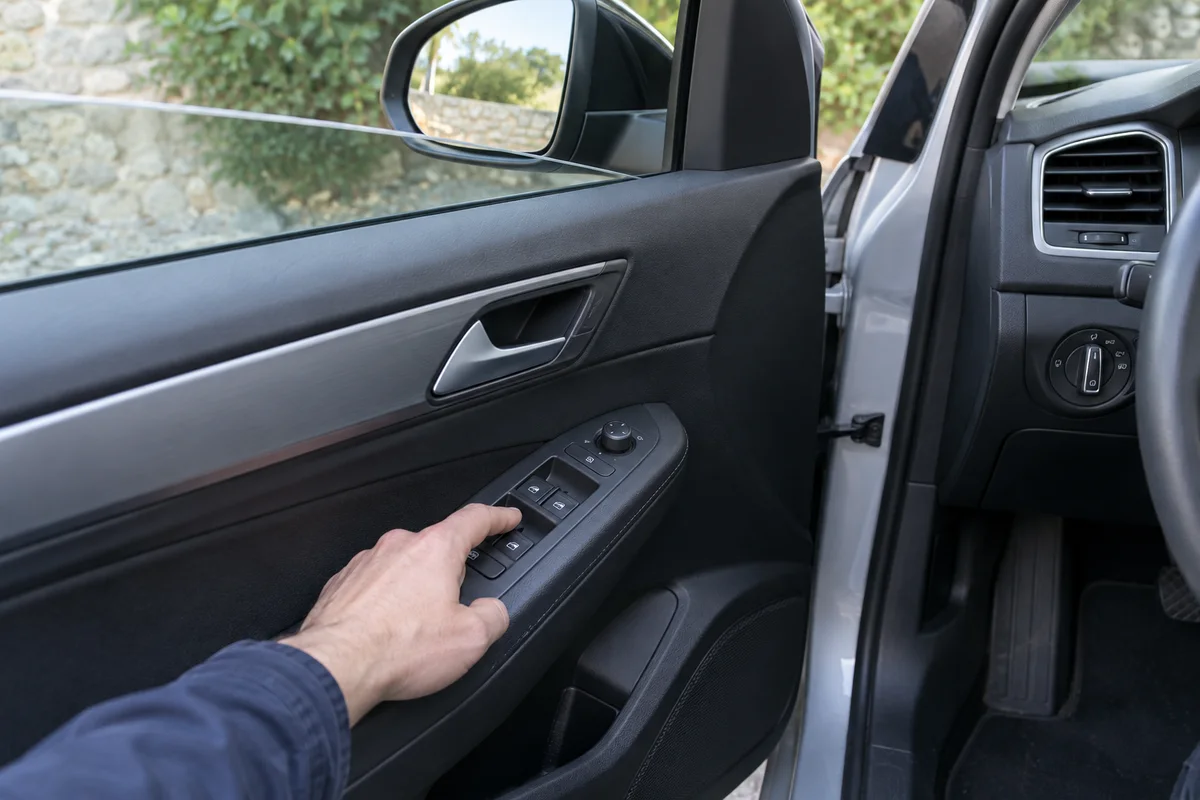
Think about the features you will use every day: opening the windows, adjusting mirrors, unlocking doors, folding seats or connecting a phone. A viewing often concentrates on the engine and paint, leaving those ordinary functions untouched. Make a short list that suits the advertised car rather than assuming every example of the model has the same equipment.
With permission and the vehicle parked, try the controls one at a time. Let each operation finish before moving on. Check that windows and doors return to their proper closed state afterwards. Do not force a reluctant mechanism or repeatedly cycle it to prove a point. If something does not respond normally, record the function and ask for an explanation.
Distinguish fitted equipment from subscriptions and accessories
An infotainment screen can look complete while a particular feature depends on software, a subscription, a compatible phone or a missing cable. Ask what is included with the vehicle and what requires a separate arrangement. Do not assume a previous owner's account or paid service will transfer. The relevant provider's current terms and the seller's documented offer determine that question.
Test only functions you are authorised to use and avoid browsing the seller's personal messages, saved addresses or account details. If phone pairing is demonstrated, remove your connection afterwards unless the purchase process clearly requires otherwise. A useful feature check does not need to expose either person's private information or change settings unrelated to the viewing.
Write down the small omissions
Missing parcel shelves, boot-floor panels, charging cables where supplied or seat-release parts can matter in daily use. Compare the advertised equipment with what is physically present and ask which items are included at handover. Avoid assuming that an accessory visible in the seller's photographs belongs to the sale. Clear notes are easier to resolve than a memory of what seemed to be in the boot.
If a fault is to be corrected, specify the function rather than accepting a vague promise that the electronics will be checked. Verify it at collection and retain any relevant paperwork. These checks do not replace a mechanical inspection, but they prevent ordinary usability from becoming an afterthought. A car can drive well and still be inconvenient in ways a calm ten-minute parked review would have revealed.
Check the promised equipment against the exact trim rather than an online review of a better-equipped version. A missing feature and a fitted feature that does not work are different discussions with the seller.