Arrange permission and a suitable route
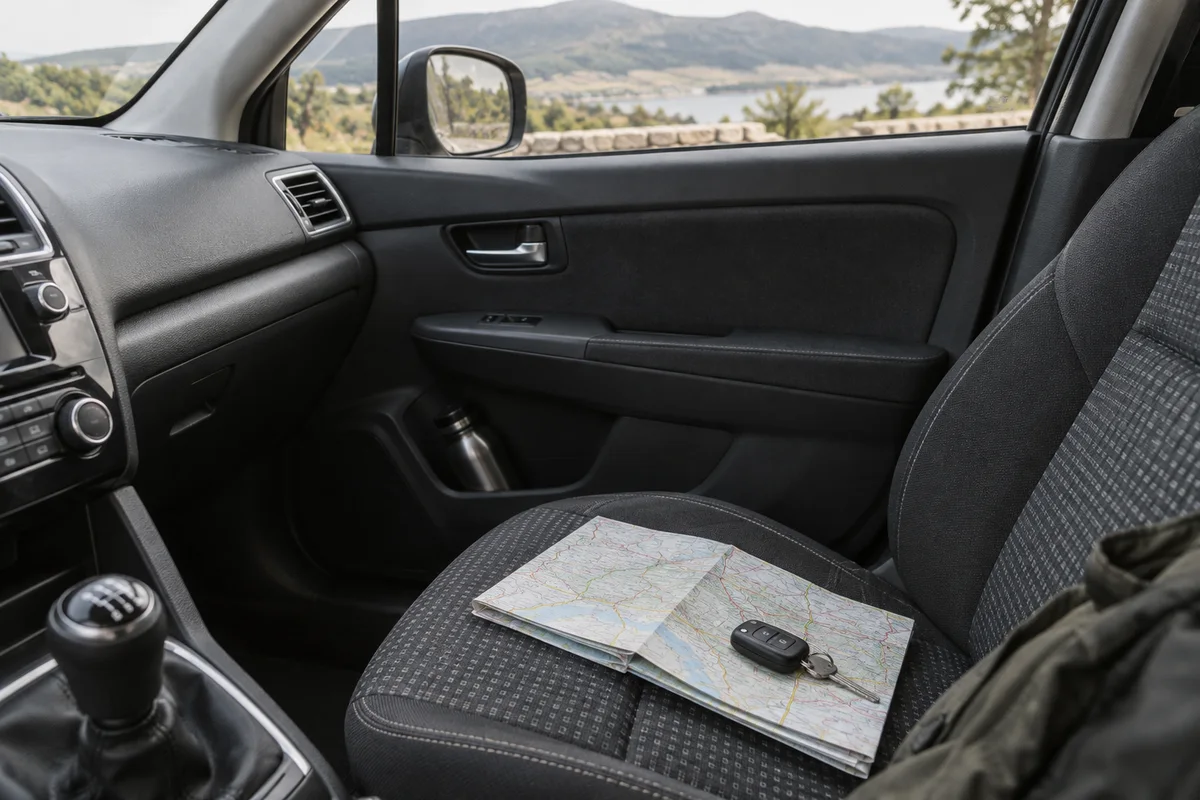
Before moving the car, confirm the seller's permission and the applicable arrangements for driving it. Requirements differ by place and seller, so do not assume that a casual invitation settles every practical condition. Choose a route appropriate to the vehicle, weather and your confidence. A familiar mix of ordinary roads is more useful than an unfamiliar route that consumes all your attention.
Allow enough time to adjust the seat, mirrors and controls while parked. Understand the selector, parking brake and basic demisting functions before setting off. If you are unfamiliar with the transmission type, ask for an explanation without embarrassment. A rushed departure can create an awkward moment that says more about the setup than the vehicle's condition.
Observe normal use, not limits
Pay attention to starting, low-speed response, ordinary gear changes, steering feel and the way the car settles on typical surfaces. Use only normal, safe inputs. Do not perform emergency braking, high-speed runs or abrupt manoeuvres to test a seller's claims. If something feels unsafe, stop in an appropriate place and end the drive rather than continuing for a fuller checklist.
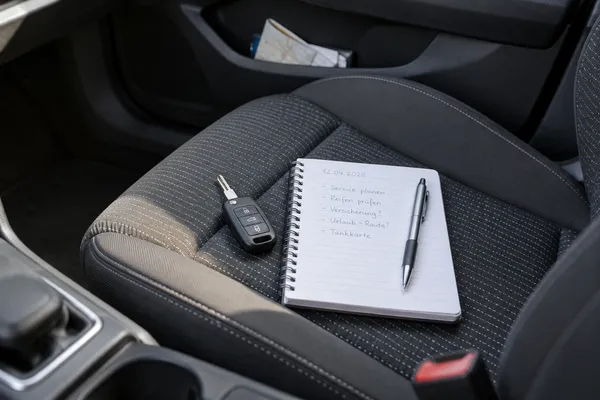
Let a passenger make notes if that is practical, or write them after stopping. Do not operate a diagnostic app, camera or phone while driving. Remember that tyres, road surface and vehicle design can influence sensations; a brief test does not isolate every cause. Describe the observation rather than attaching a repair name to it from the driver's seat.
Use the parked moments too
Before and after the drive, try the normal equipment that matters to your use, with permission. Check whether you can see clearly, sit comfortably and reach the controls. Note any warning messages and whether an issue appeared only after warming. Keep those details for an independent inspector rather than asking the seller to reproduce a concerning event through increasingly severe driving.
A pleasant drive is useful evidence, but it cannot reveal every hidden defect or replace records and inspection. Review your notes away from the immediate pressure of the viewing. If a question remains, ask for a proper assessment or another suitable opportunity rather than treating the completed route as an obligation to buy. The drive should improve the decision, not make it feel irreversible.
Leave enough time after parking to write what you noticed. Small details about when a sound appeared are easily lost once the conversation turns to price, collection arrangements and other purchase decisions.