Notice the message, not just the running engine
You arrive at a familiar junction and the engine keeps running. Yesterday it stopped. Before treating the difference as a failure, check whether the feature is enabled and read any information shown by the car. A normal unavailable indication is different from an instruction to have the system serviced. Keep the exact wording if an unfamiliar message appears.
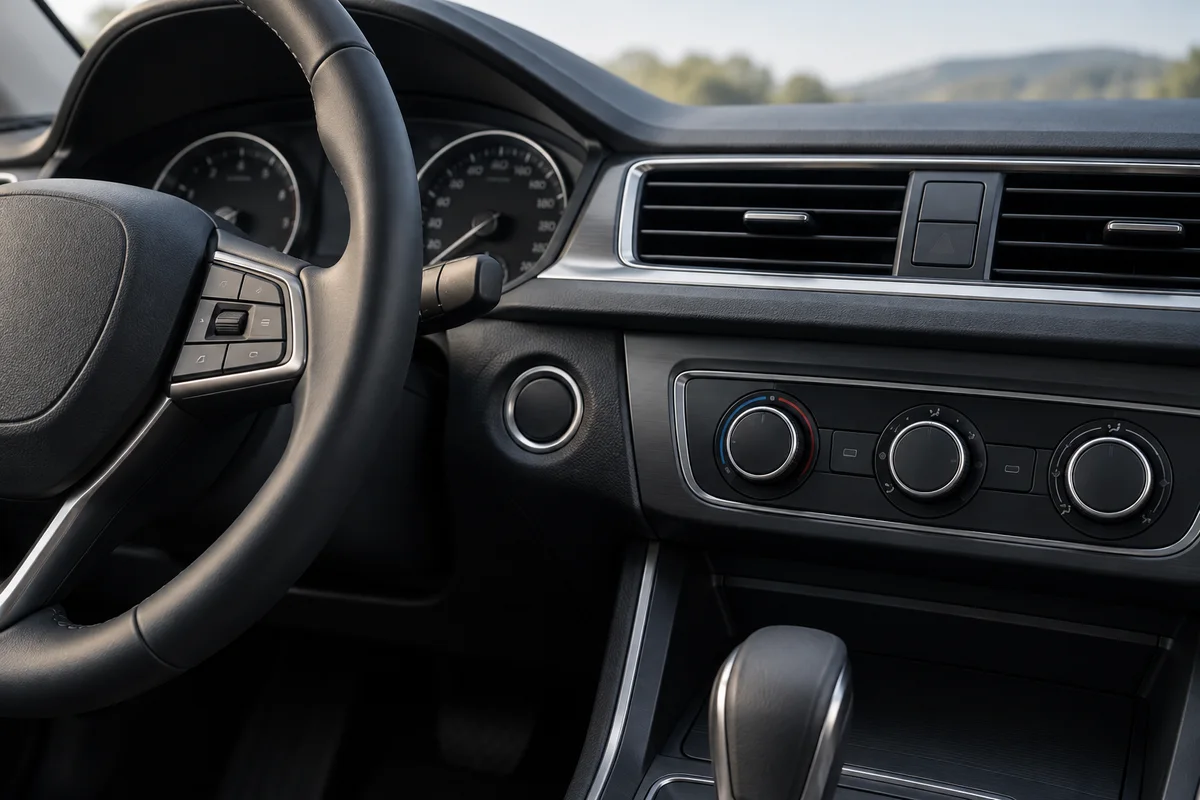
Automatic stop-start is allowed to decline a stop. The vehicle may need to maintain electrical supply, manage engine conditions or satisfy a heating and demisting request. The relevant conditions differ between models. Your handbook may explain a greyed-out symbol or a status screen that gives a reason. That is a better starting point than someone else's list of reset tricks.
Compare ordinary journeys
Think about the trips on which it does work. Was the engine already warm? Were the heated screens and cabin fan doing less work? Had the car been parked for several days? These comparisons help establish a pattern without turning a commute into a diagnostic experiment. You do not need to switch off demisting or compromise visibility to persuade the engine to stop.
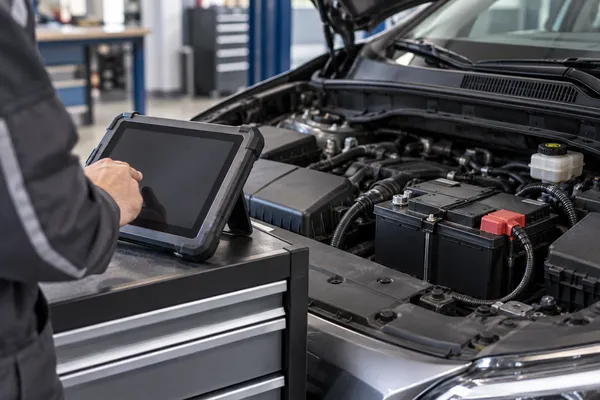
A battery can still start the engine while the vehicle chooses not to permit repeated automatic stops. That observation alone does not prove the battery needs replacement. Nor does a longer drive guarantee that the feature will resume. If the behaviour has changed persistently, a workshop can check the energy-management conditions and the state of the battery rather than guessing from one traffic light.
When the question becomes a workshop job
Arrange a check if a fault message remains, starting has become difficult or other electrical symptoms appear. Mention recent battery work, short-trip use and the circumstances in which stop-start stopped operating. If the system is simply disabled through its normal control, the handbook will explain how that setting behaves after the next start.
Do not remove sensors, alter wiring or fit an unapproved battery to change the system's decision. Avoid repeated code clearing as well: it can remove evidence without improving the underlying condition. A useful explanation from the workshop identifies whether the car is withholding stop-start for a normal operating reason or whether a fault needs attention. Those are different outcomes, even though both leave the engine running at the junction.