Make sure the figures are comparable
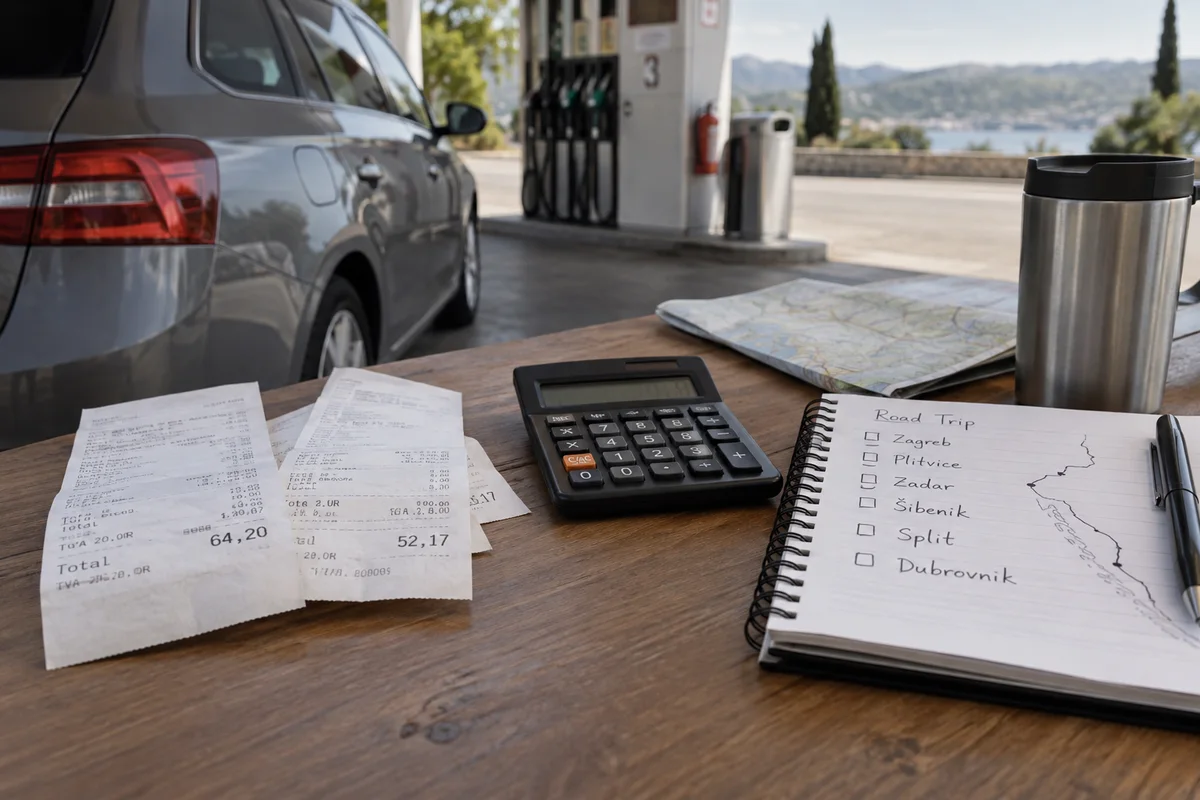
One unusually expensive fill is not a consumption measurement. Fuel price, the amount bought and the distance covered all change the total on a receipt. Likewise, a dashboard average that was recently reset cannot be compared fairly with a long-term figure collected over many journeys. Begin by establishing which number has changed and what period it represents.
If you keep fuel records, use several ordinary fills and consistent distance units rather than drawing a conclusion from a partial top-up. Do not keep adding fuel after the nozzle's normal shutoff to make an exact comparison. Record the information you can obtain during normal refuelling and accept that a short sample contains variation.
Look for a change in use
Short journeys, cold weather, more time in traffic and a heavier load can all alter the pattern of use. A roof carrier that remains fitted or a route with more stops may explain why a car is no longer matching its previous average. These observations do not rule out a fault, but they make the comparison more honest.
Check whether the change coincides with a new commute, regular idling or a different driver using the vehicle. For a plug-in hybrid, fuel consumption also depends on how much driving is supported by charging. Comparing a frequently charged month with one driven mostly without charging can be misleading even when nothing is mechanically wrong.
Separate a trend from an urgent symptom
A gradual change in an average is different from a strong fuel smell, a visible leak or severe rough running. Those symptoms need prompt attention independently of your spreadsheet. Do not inspect fuel lines yourself or continue driving to complete another measurement. Follow the vehicle's instructions and arrange assistance when safe operation is uncertain.
For an otherwise ordinary-running car, check the owner's routine guidance and make sure any tyre-pressure observation uses the specified conditions. Do not increase pressure beyond the vehicle's recommendation in an effort to improve economy. Note overdue maintenance, warning messages and changes in performance for the workshop rather than replacing parts on the strength of consumption alone.
Take a short comparison to the appointment
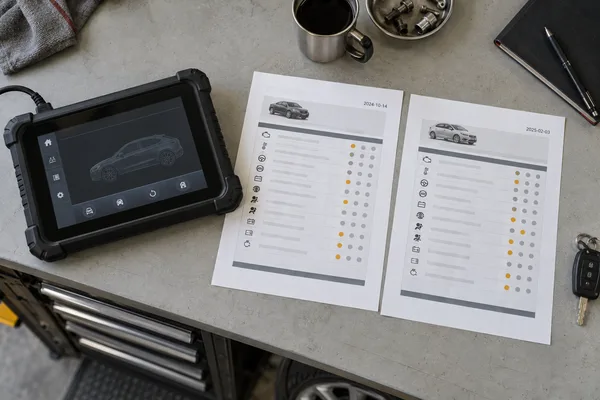
A useful handover gives the previous pattern, the current pattern and what changed between them. Include dates, approximate journey types and any repair history near the start of the increase. Ask whether the evidence suggests a change in use, a measurement issue or a condition worth investigating. After any work, compare similar journeys over a sensible period; a single favourable display reading is not a robust verification.