Before lowering the bonnet
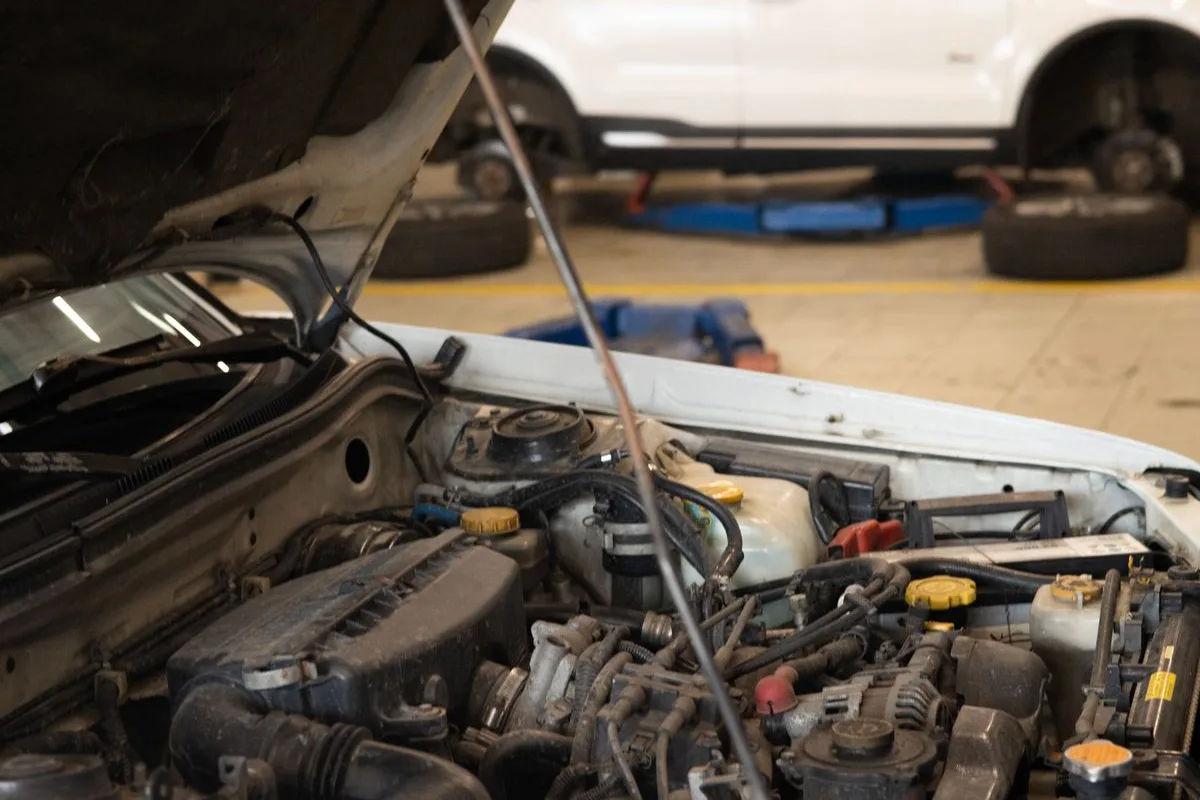
Remove tools, cloths and loose containers from the engine bay, and check that filler caps are secure. Keep hands, clothing and other people clear of the closing area. If the bonnet uses a support rod, return it to its retaining position as described in the handbook. A gas strut or powered bonnet follows different instructions; do not borrow the closing technique from another car.
Some panels are designed to latch from a specified release height, while others require a different action. Follow the manufacturer’s method instead of repeatedly slamming or pressing on thin metal. If the bonnet encounters unexpected resistance, stop and find out why. Something left in the opening, a misplaced support or a damaged mechanism should not be overcome by extra force.
Check the outcome, not just the sound
After closing, inspect the bonnet’s position and perform the confirmation described in the manual. It should be fully latched, not merely resting on a secondary safety catch. A reassuring click alone does not tell you which stage engaged. If a bonnet-open message remains, treat it as something to resolve before the journey rather than assuming that the switch must be wrong.
A panel sitting differently from usual, a latch that takes repeated attempts or a release handle that no longer behaves normally deserves inspection. Record when the change started, particularly after servicing or bodywork. Do not adjust latch bolts, bend the catch or bypass an electrical switch to make the warning disappear. Those actions can conceal the condition the system is intended to report.
If you are unsure, keep the car parked
Contact the workshop or roadside assistance and explain that the bonnet cannot be confirmed secure. Do not use a short drive as a test, and do not rely on improvised straps to make an uncertain closure acceptable. A bonnet opening in motion can obstruct the view abruptly. The inconvenience of arranging help is smaller than the consequence of discovering the problem on the road.
Once the mechanism has been checked or repaired, ask the technician to demonstrate the normal closing and confirmation method. Keep that method in mind after every fluid check. This is a small owner task with a clear end point: the engine bay is clear, the support is stowed and the bonnet is positively secured before travel.