Look beyond the code number
Two scan reports can contain the same code and still describe different situations. One may mark it as pending, another as confirmed, current, historic or permanent. These labels are not interchangeable. They describe aspects of the system's recording logic or the tool's presentation, so copy the wording exactly before trying to interpret what happened.
A pending emissions-related code commonly means that a fault has been detected but the conditions for a confirmed record have not yet been met. That does not make it imaginary, and it does not automatically make the vehicle safe. A confirmed entry may remain stored after a symptom has stopped. The code, its status and the present behaviour belong together.
Do not turn the labels into a countdown
It is easy to read 'pending' as permission to wait until a warning becomes more serious. The better question is what the driver is experiencing. Strong shaking, stalling or another loss of normal control needs attention whether an app uses an alarming colour or a reassuring one. Follow the vehicle's warning instructions, not a generic colour scheme in the software.
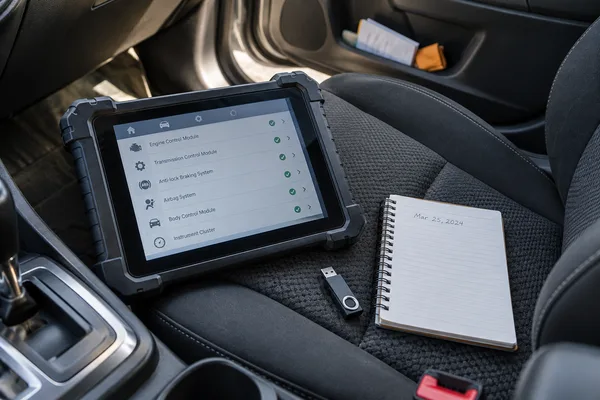
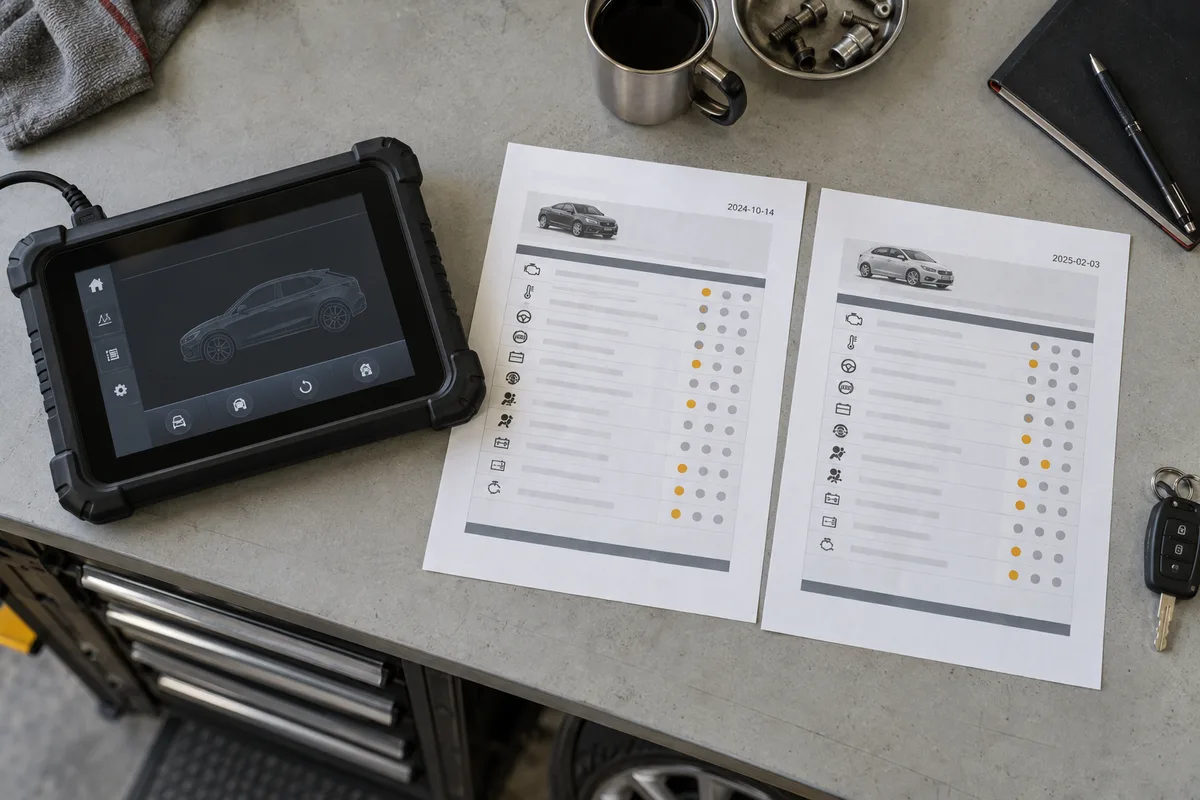
Ask which control unit supplied the entry and whether the reader is showing standard emissions information or manufacturer-specific fault memory. Apps may translate the same data differently. If two readers disagree, keep both reports with their tool names and dates rather than deciding that whichever result looks cleaner must be correct. Different coverage can explain part of the difference.
Build a sequence without erasing it
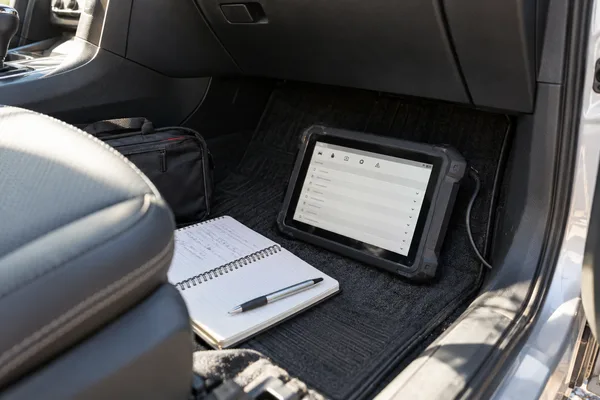
Record the first scan, the circumstances of the symptom and any subsequent observations. A dated sequence can show whether an intermittent event returned during ordinary use. It should not become an invitation to drive a faulty vehicle until a code changes status. Let a professional decide whether controlled checks are appropriate and what operating conditions are required.
A permanent emissions code, where supported, has its own clearing logic and should not be treated as proof that a recent repair failed solely because it is still visible. Ask the workshop to explain the exact entry in the context of this vehicle. The useful outcome is an understood record and a verified repair, not simply an empty list on an app.