Describe the first minute accurately
Some engines behave differently immediately after starting, and normal warm-up behaviour varies between models. A slightly different sound is not the same as severe shaking, repeated stumbling or an engine that struggles to keep running. Compare the car with its own usual behaviour rather than with a different vehicle or a short video recorded in another climate.
If the change is new, note whether it begins as soon as the engine starts or develops later. Record how long it lasts without staring at instruments or leaving the vehicle unattended. The distinction between an overnight cold start and a restart after a brief stop is particularly useful. Saying 'it happens when cold' can otherwise conceal two different situations.
Notice what changes as the car warms
Does the roughness fade during an ordinary journey, remain at every stop or appear only after the engine is fully warm? Tell the workshop whether climate control or another normal accessory setting changes what you feel. That observation does not identify a part, but it helps separate a consistent mechanical vibration from a complaint tied to particular operating conditions.
Do not disconnect components or hold the engine at high speed to see whether the idle clears. Avoid repeated cold starts solely to produce another example. If the engine shakes strongly, an urgent warning appears or the vehicle stalls in traffic, stop safely and arrange advice. A fault that improves with warmth is not automatically harmless during the cold period.
Book for the conditions you actually need
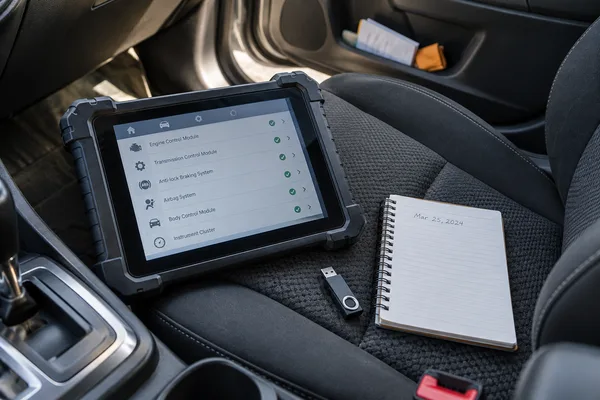
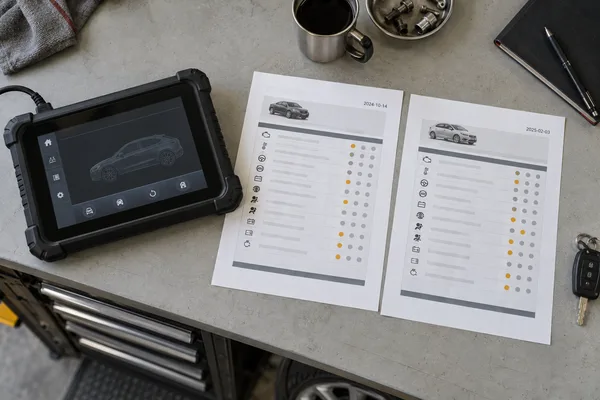
A workshop receiving a fully warm car may be unable to observe an overnight complaint during a short appointment. Ask whether leaving it the evening before would help. Bring a brief record of outside conditions, journey timing and any warning messages. If you already have a scan, preserve it without clearing codes merely to make the next visit look tidy.
The investigation may need to distinguish engine-running quality from vibration transmitted through mountings or other components. Let the technician make that distinction through suitable checks rather than ordering parts from the sensation alone. After repair, ask whether the original cold or warm condition was assessed. A smooth warm idle does not fully answer a complaint that happened only on the first start of the day.